- Forest Signs -
2025
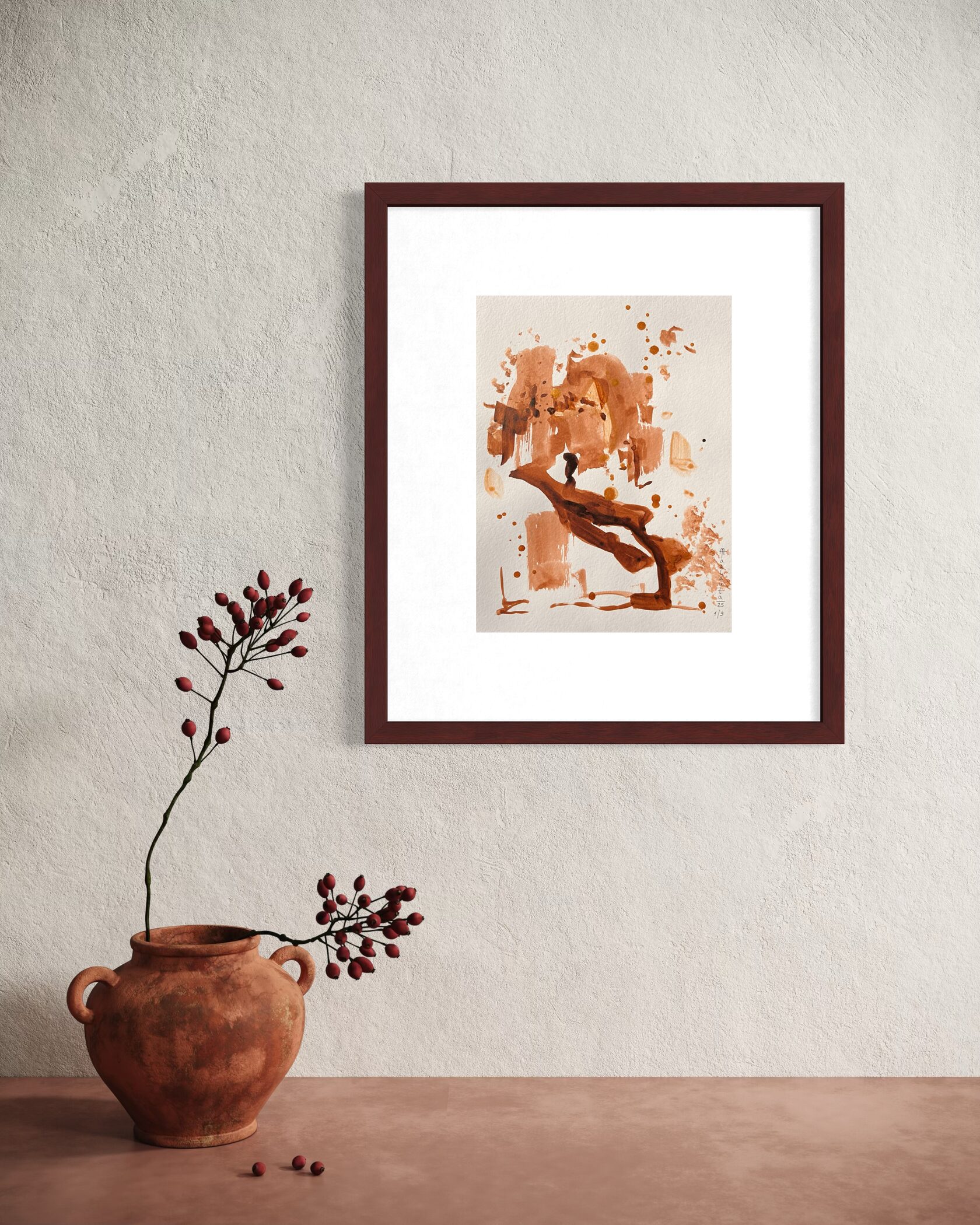
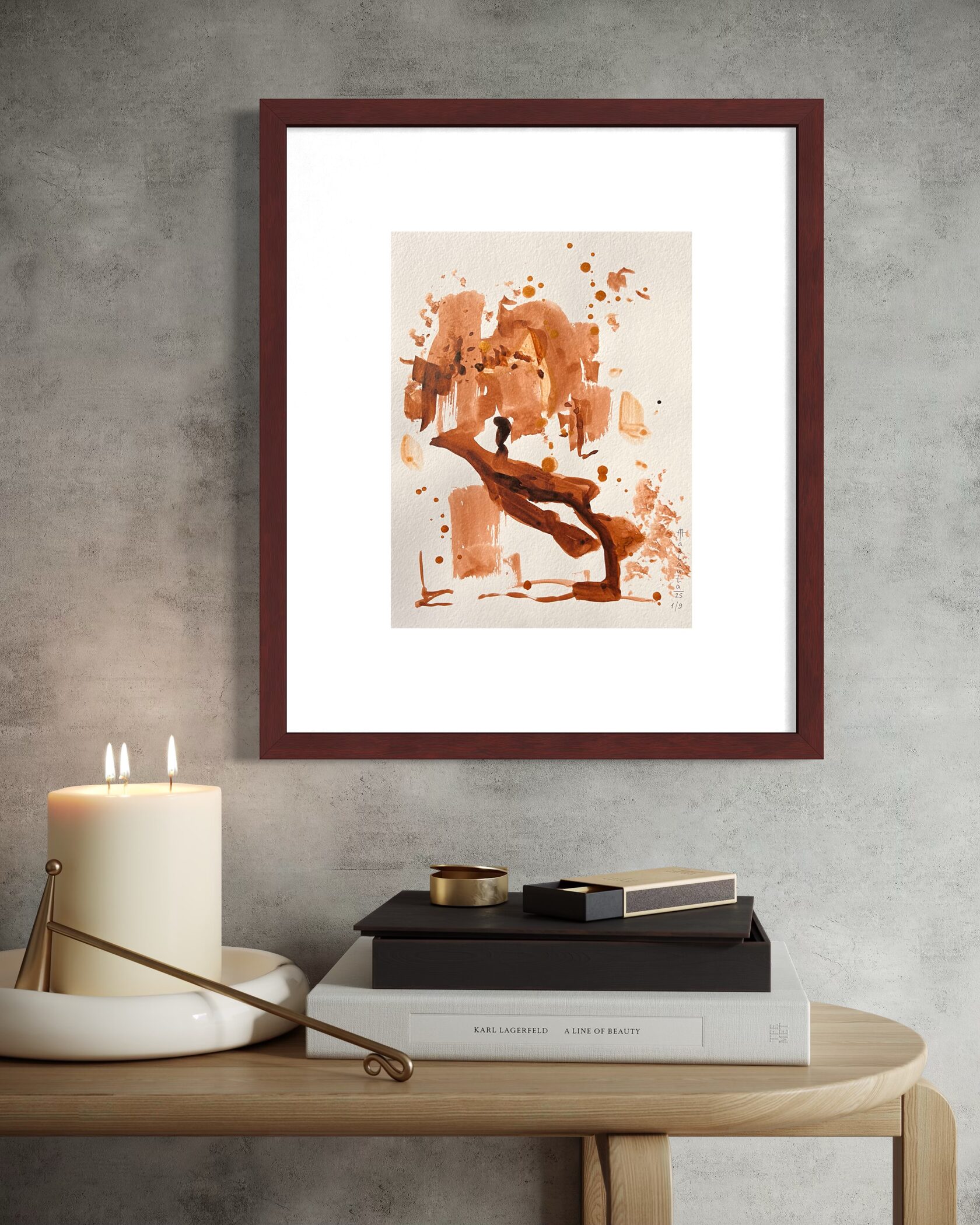
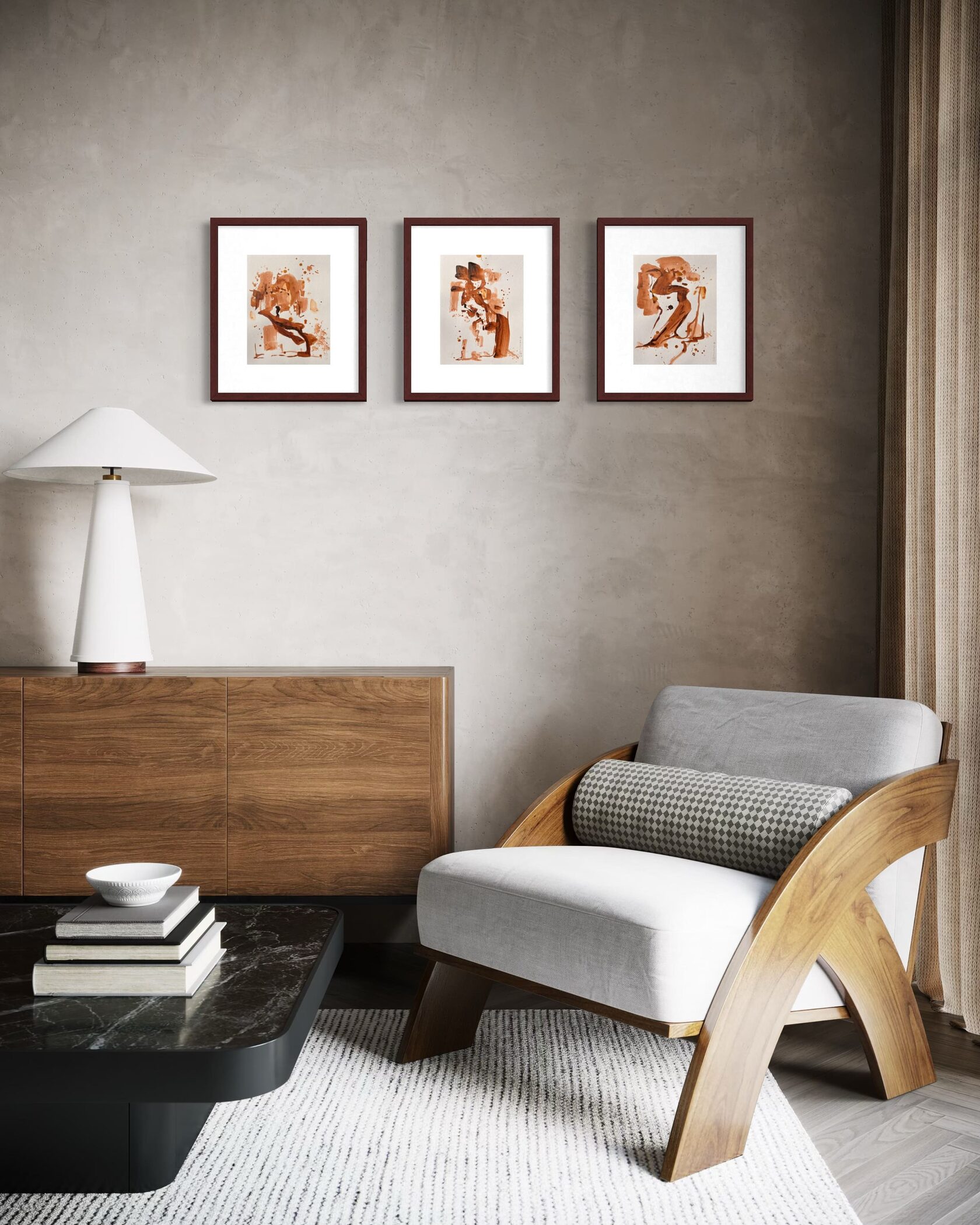
What if trees have their own names? Not oak or birch — something older. 9 sheets, ink on paper. Not portraits. Signs.
An attempt to restore a lost dialogue.
|
An attempt to restore a lost dialogue.
|
More
Forest signs Graphics 1/9
$
624
$
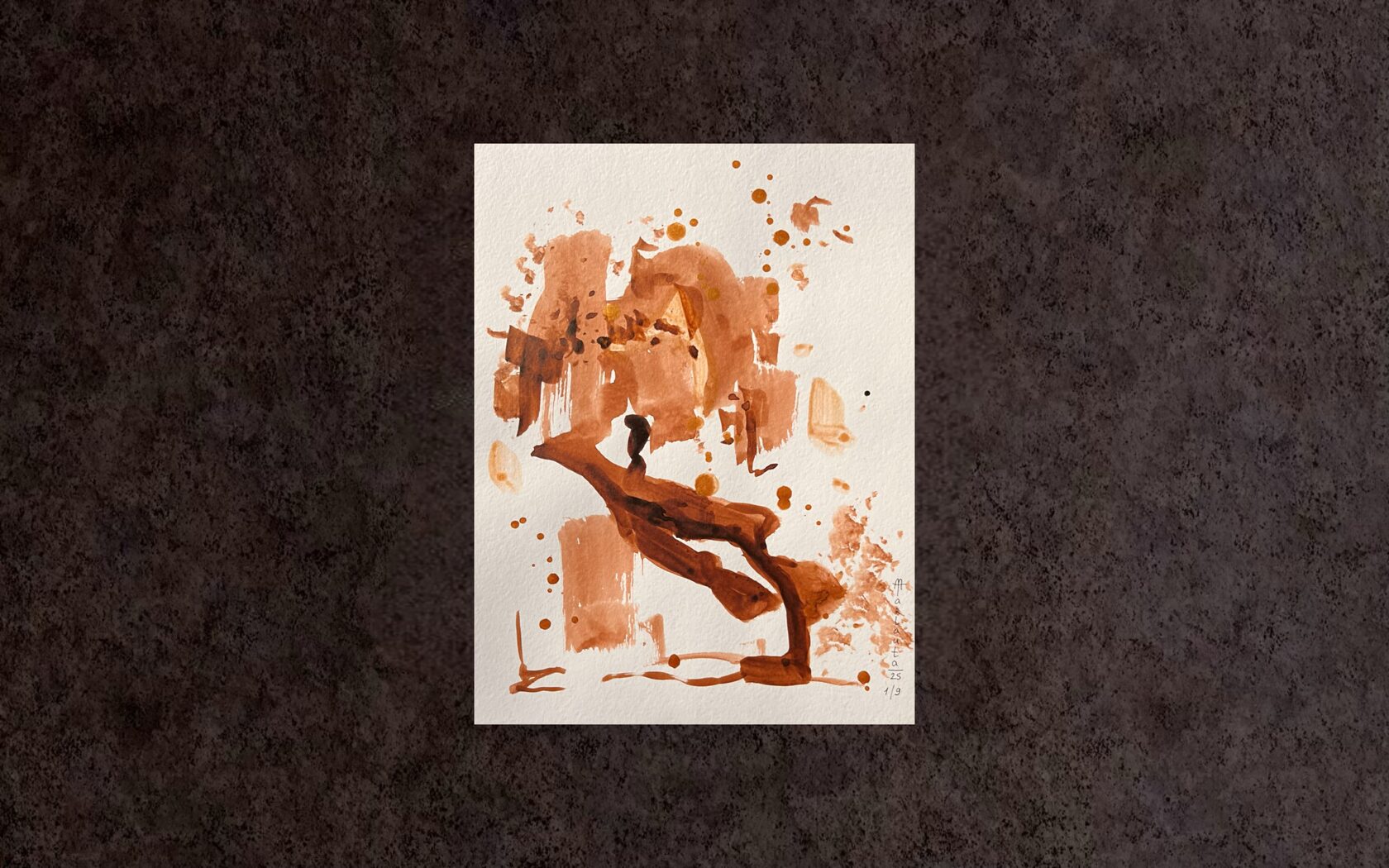
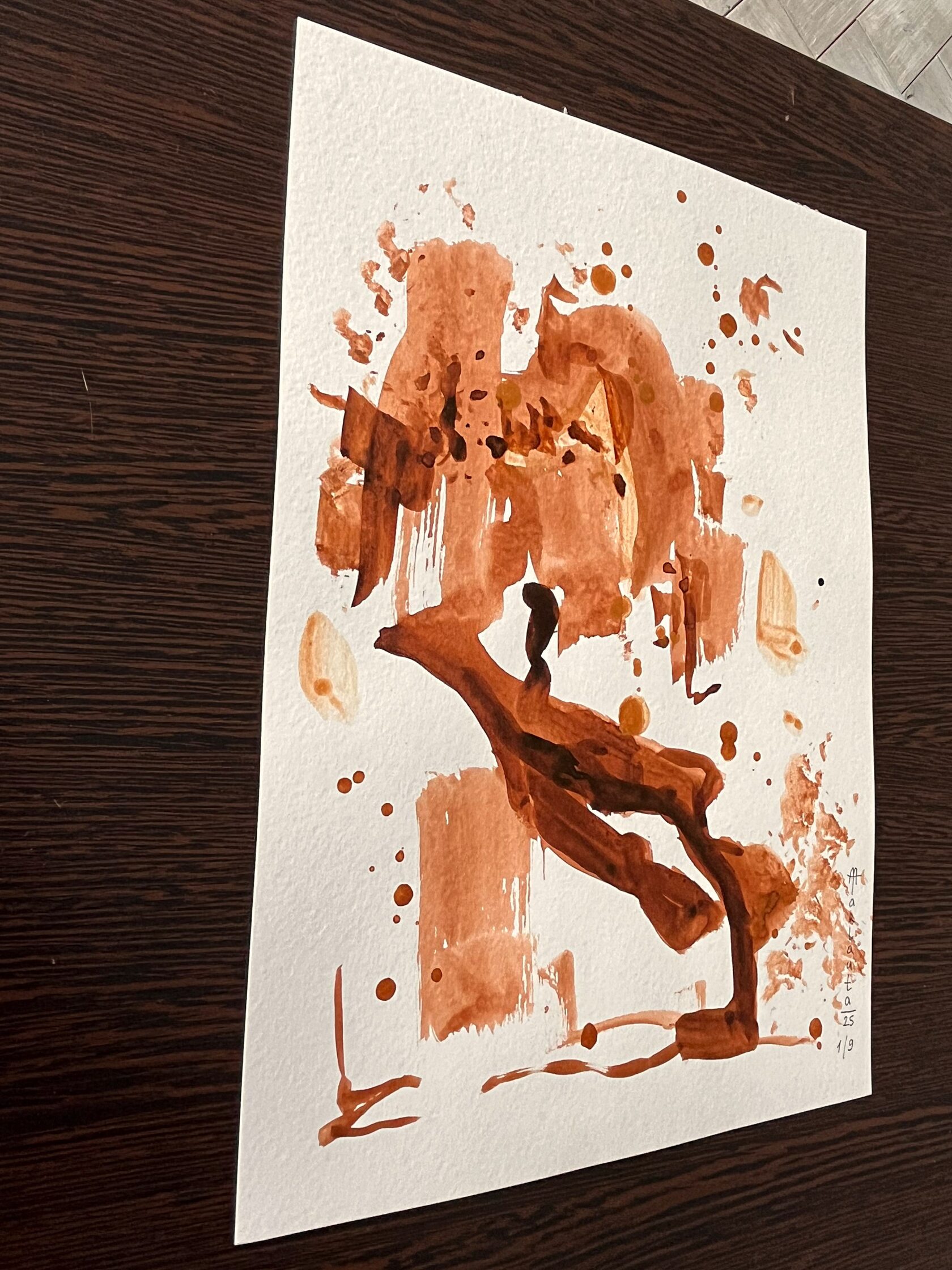
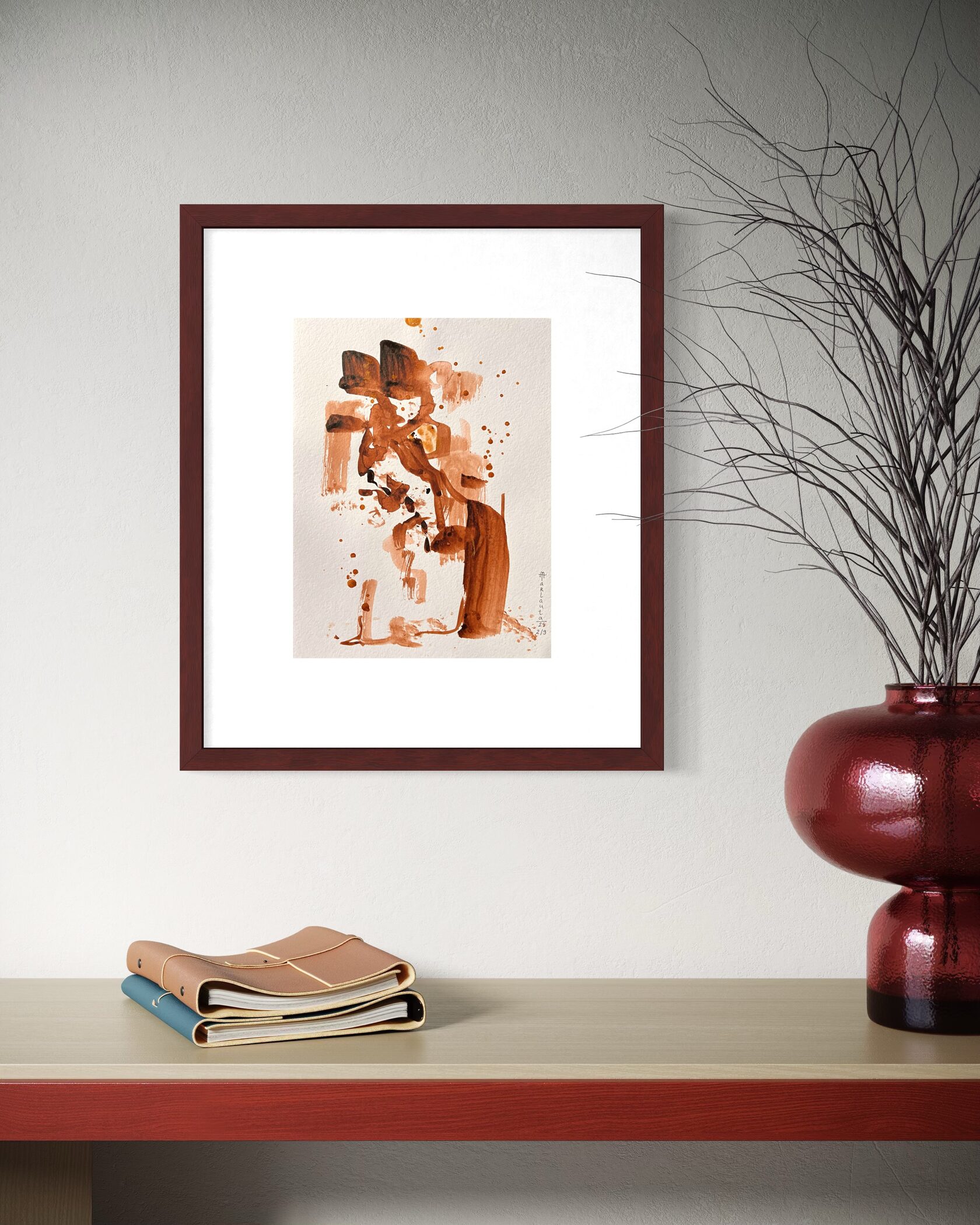
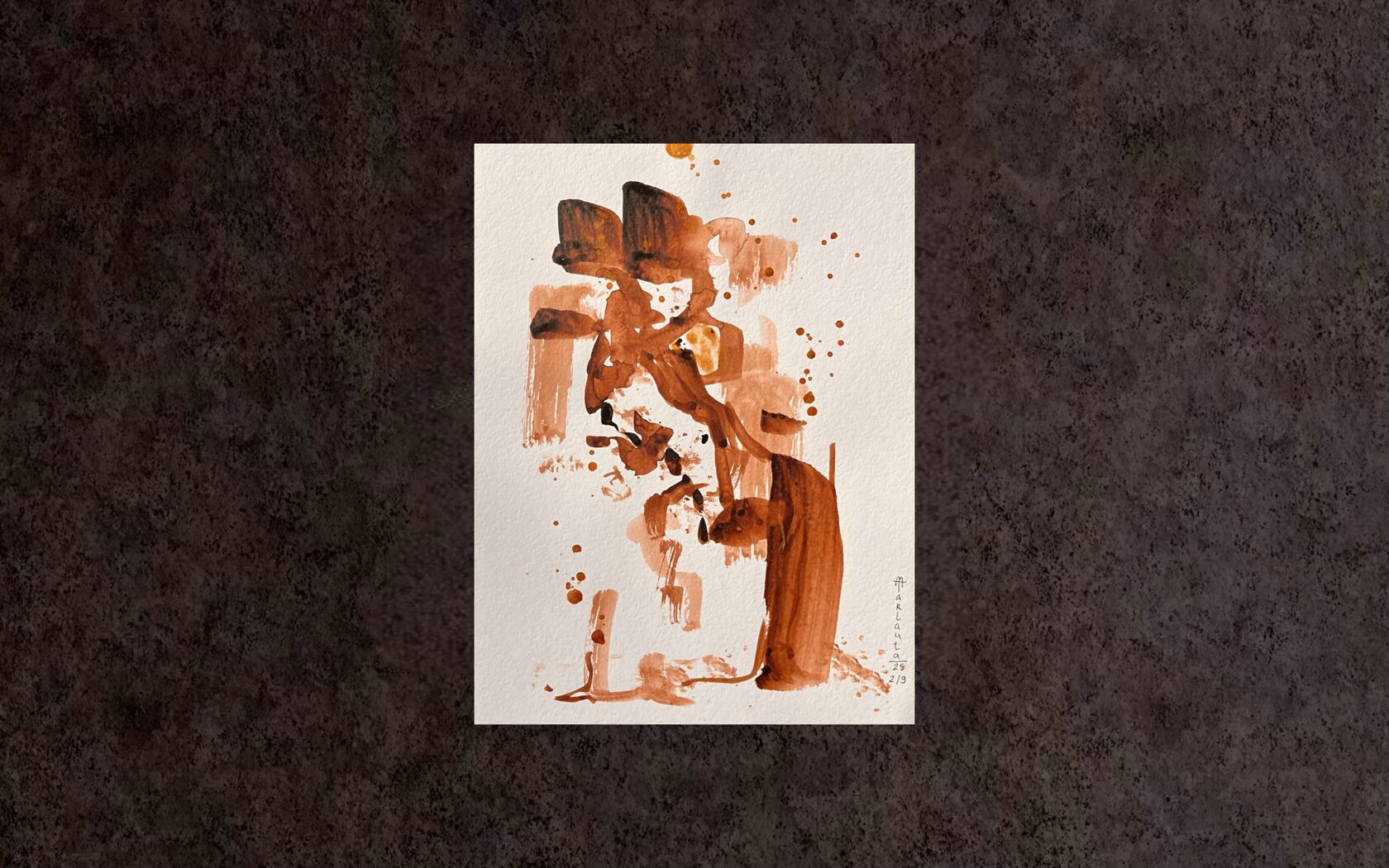
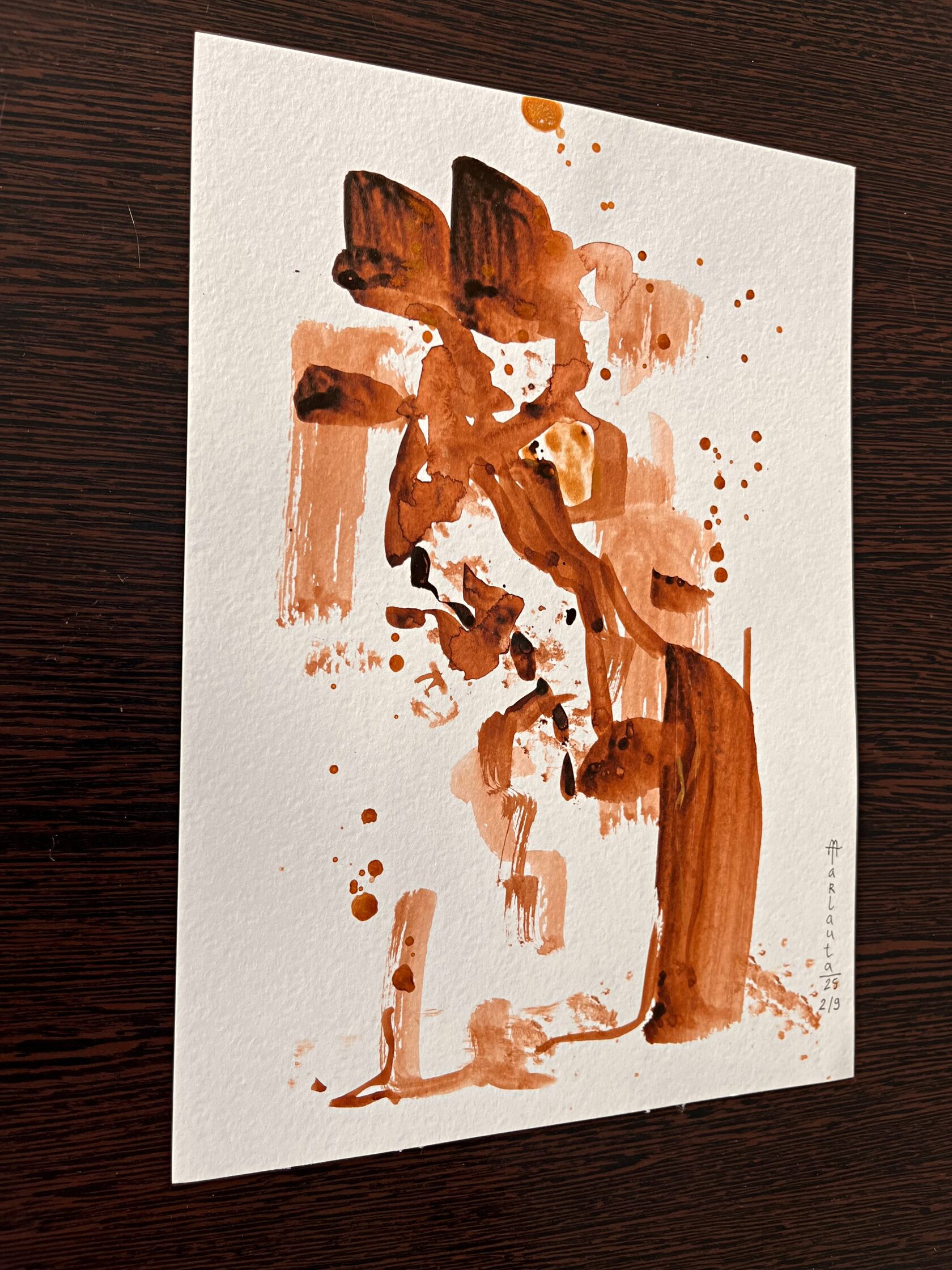
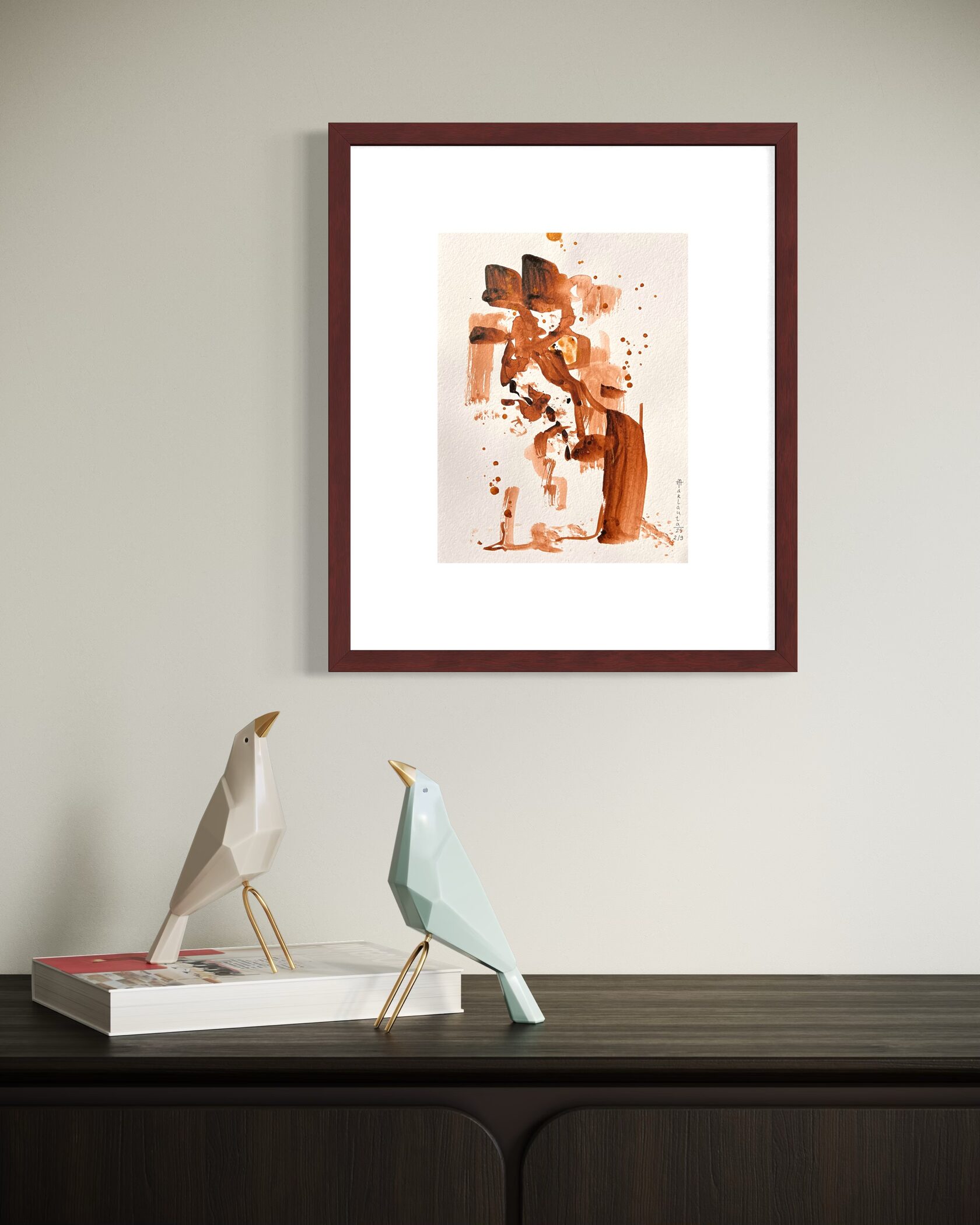
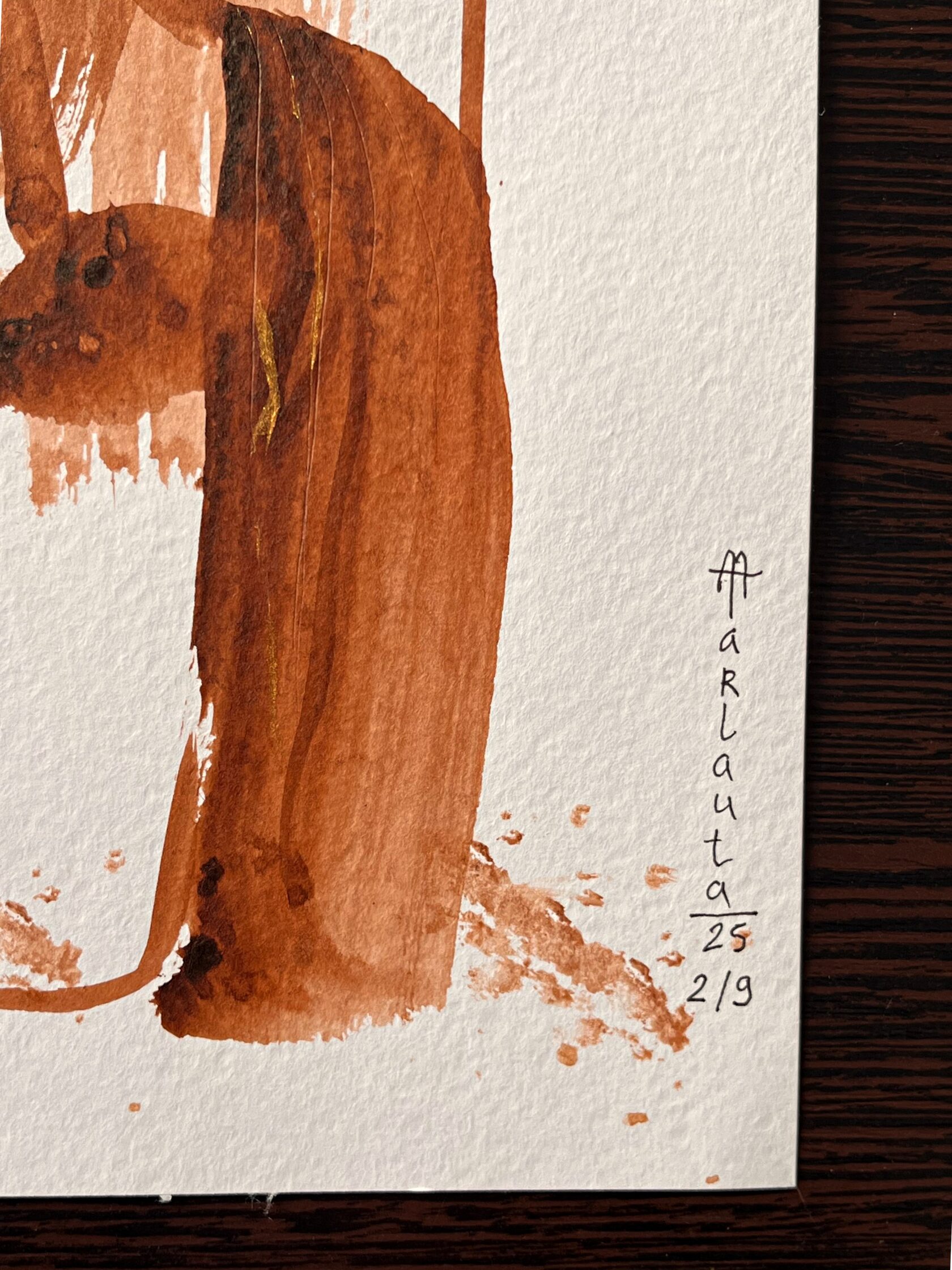
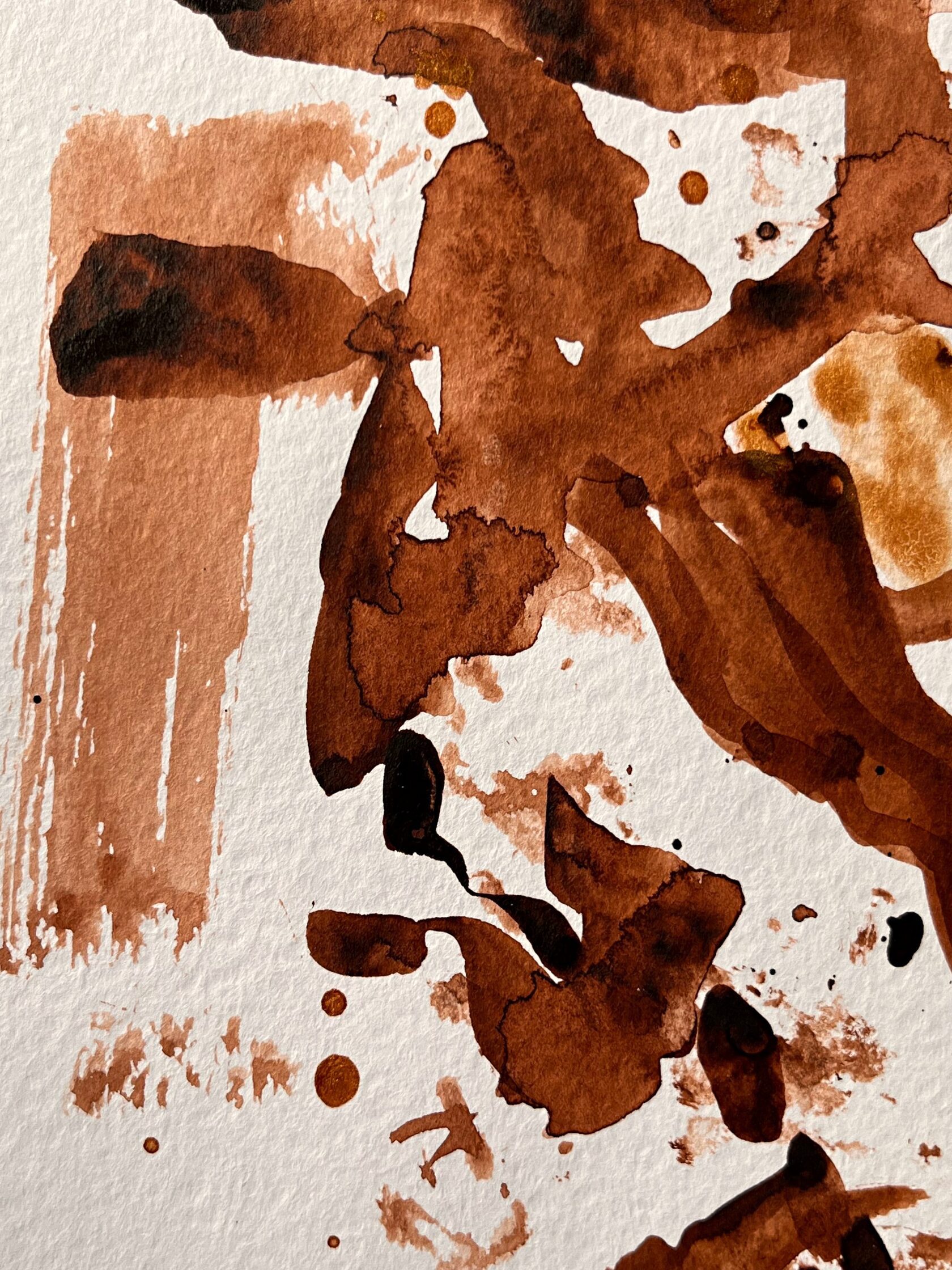
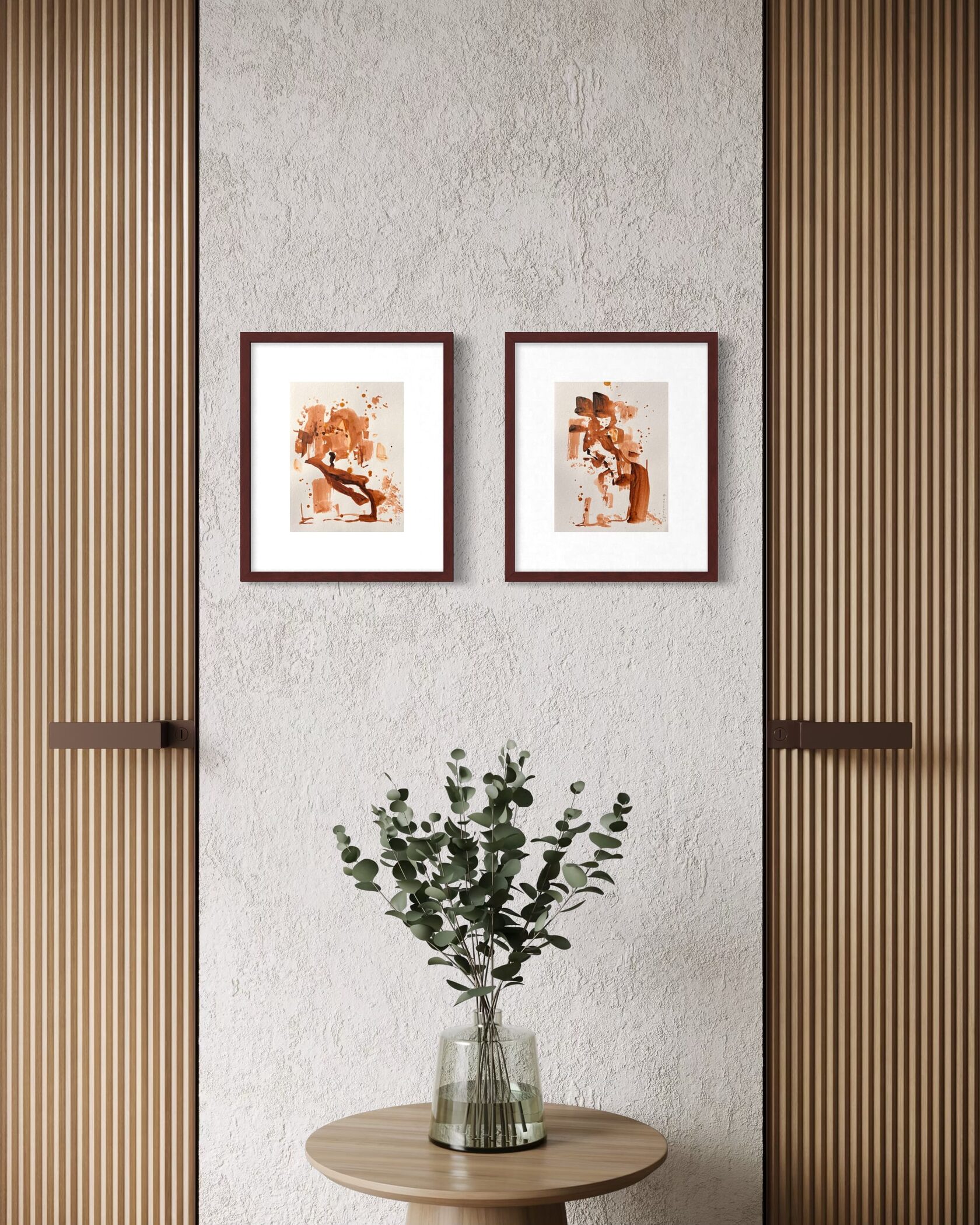
Forest Signs #1 — Original Sensory Alchemy Mixed Media Forest on Paper, 21×29.7 cm
What if a tree had a name — its own, not the one we gave it? This is a sign. A name. A first attempt to write in a language that has no alphabet — only ink, brush, and attention.
The Myth
What if trees have names? Their own names. The ones they would use to call each other.
I spent time in forests, not as a tourist. I sat. I watched. One tree, then another. The rhythm of its branches. The map of its bark. The way it holds itself against the wind. Then I tried to write down what I heard — Signs. Abstract symbols, each one unique, like a name in a language no one speaks anymore.
It's an attempt to restore a lost dialogue. Old shamans believed that to name something is to make contact. I think they were right. Each sheet is ink on paper. Simple. Almost scientific. But inside that simplicity — hours of looking, listening, breathing with a single tree.
This series is a vocabulary for the non-human world. Nine graphic portraits of real trees — their abstract names, drawn with ink and brush. For those who have ever stood in a forest and felt watched — by the trees themselves. For those who suspect that nature is far more alive than we admit. This is for you.
Details
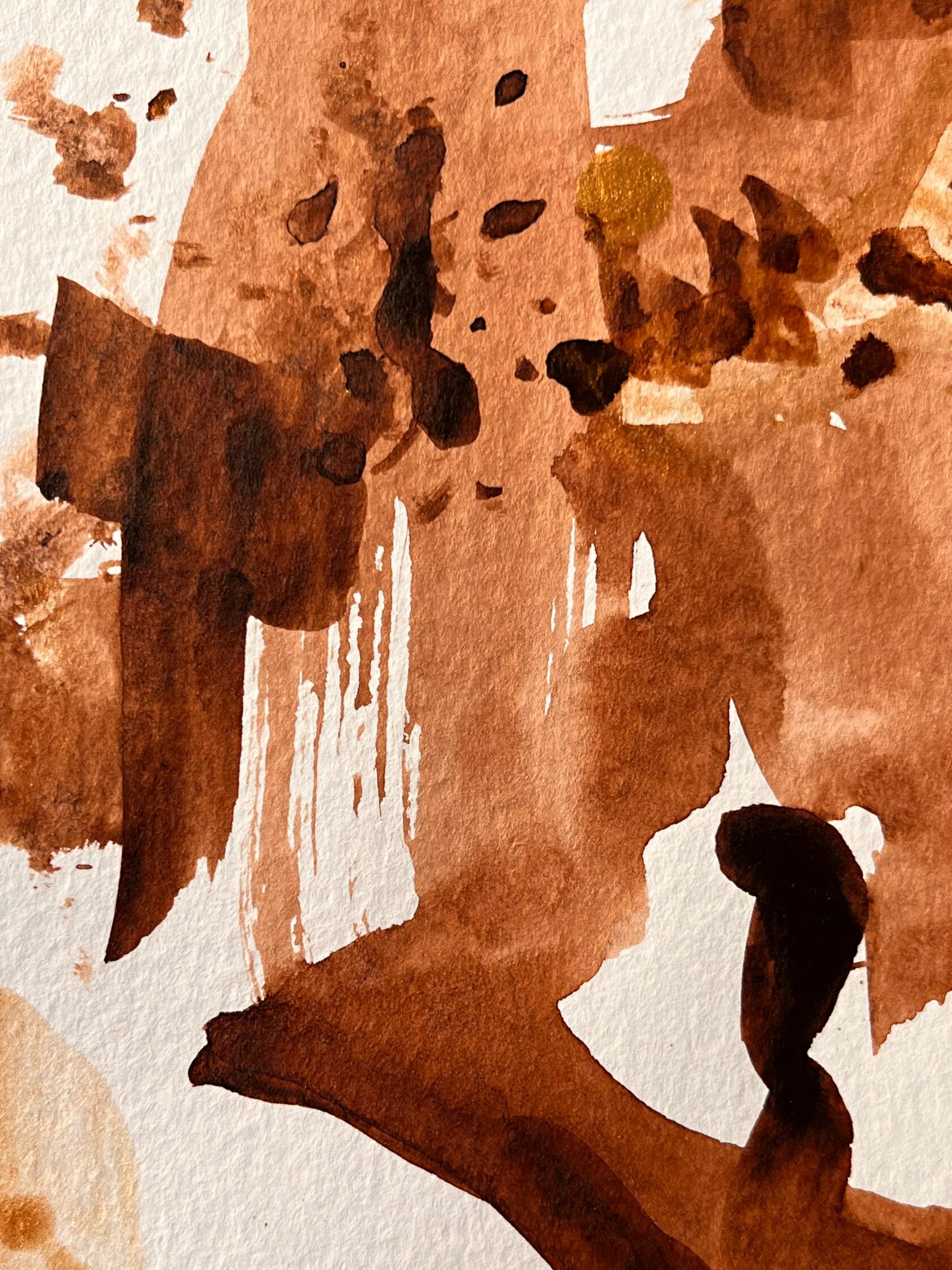
Coloured acrylic ink on acid-free paper (200 g/m²)
21 × 29.7 × 0.2 cm / 8.3 × 11.4 × 0.08 in
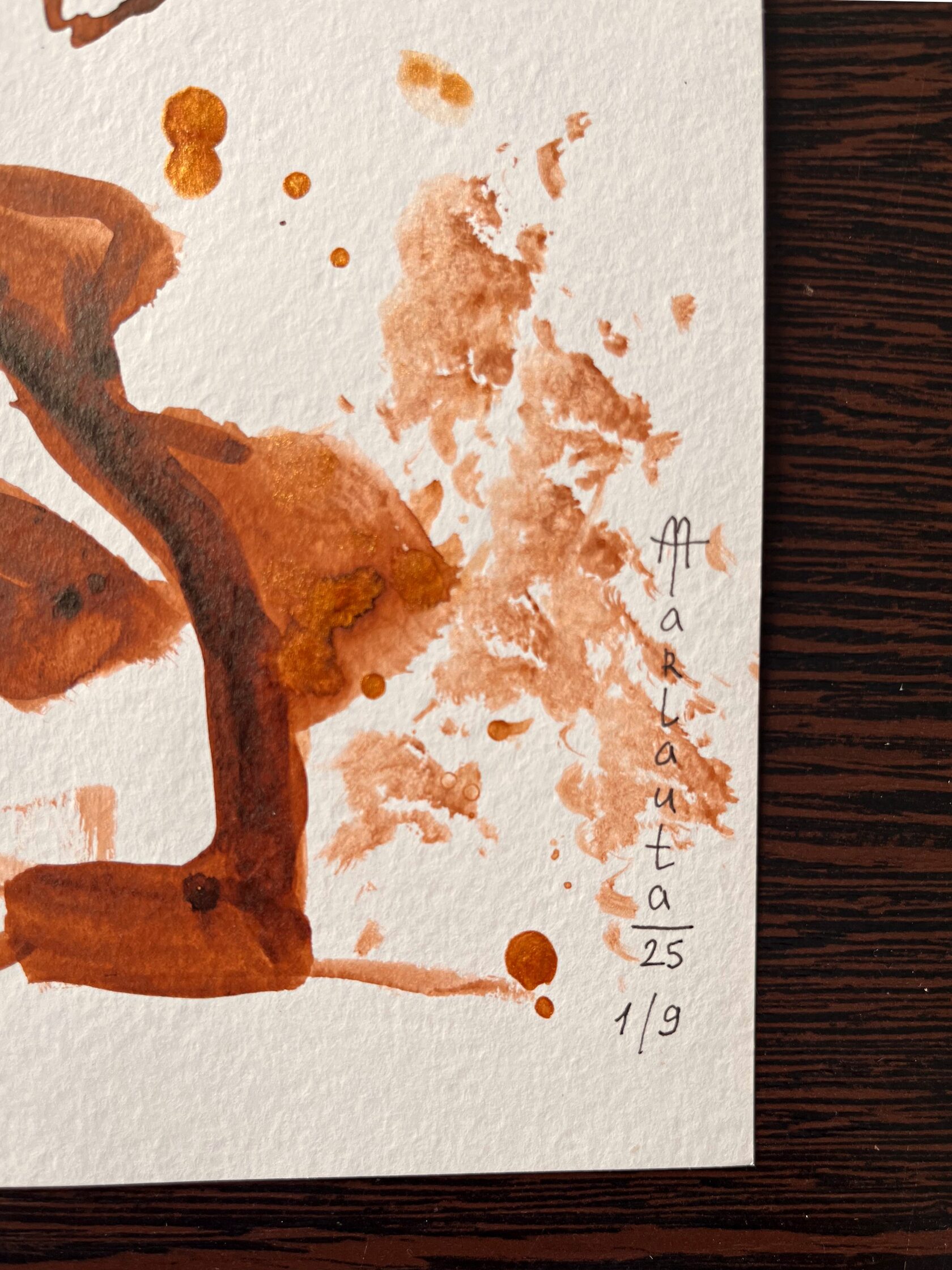
© Daria Harlauta 2025 (signed & certified)
Price (with worldwide delivery included)
$624 / €549 | per piece
Forest signs Graphics 2/9
$
624
$
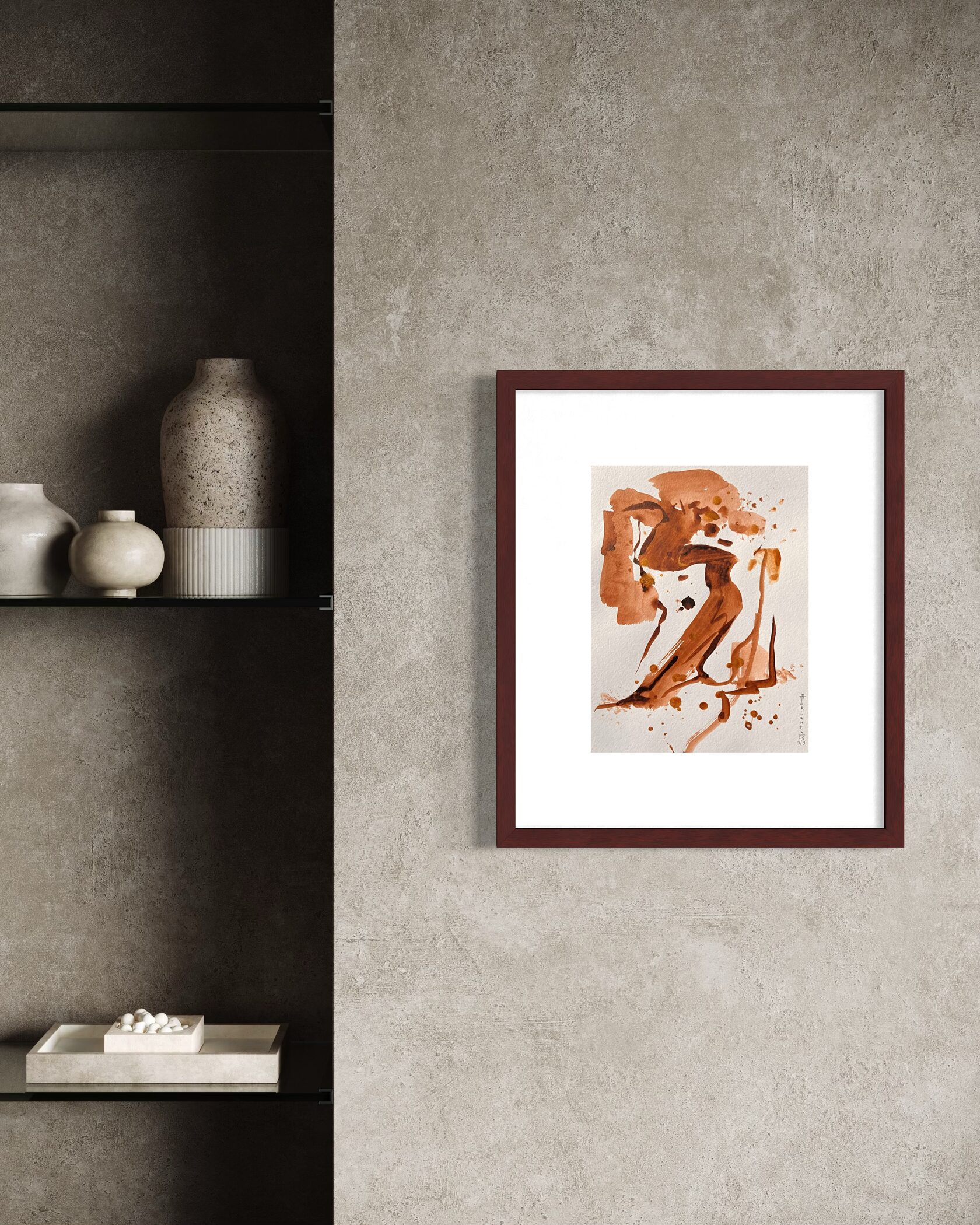
Forest Signs #2 — Original Sensory Alchemy Mixed Media on Paper, 21×29.7 cm
What if a tree had a name — its own, not the one we gave it? This is a sign. A name. A first attempt to write in a language that has no alphabet — only ink, brush, and attention.
The Myth
What if trees have names? Their own names. The ones they would use to call each other.
I spent time in forests, not as a tourist. I sat. I watched. One tree, then another. The rhythm of its branches. The map of its bark. The way it holds itself against the wind. Then I tried to write down what I heard — Signs. Abstract symbols, each one unique, like a name in a language no one speaks anymore.
It's an attempt to restore a lost dialogue. Old shamans believed that to name something is to make contact. I think they were right. Each sheet is ink on paper. Simple. Almost scientific. But inside that simplicity — hours of looking, listening, breathing with a single tree.
This series is a vocabulary for the non-human world. Nine graphic portraits of real trees — their abstract names, drawn with ink and brush. For those who have ever stood in a forest and felt watched — by the trees themselves. For those who suspect that nature is far more alive than we admit. This is for you.
Details
Coloured acrylic ink on acid-free paper (200 g/m²)
21 × 29.7 × 0.2 cm / 8.3 × 11.4 × 0.08 in
© Daria Harlauta 2025 (signed & certified)
Price (with worldwide delivery included)
$624 / €549 | per piece
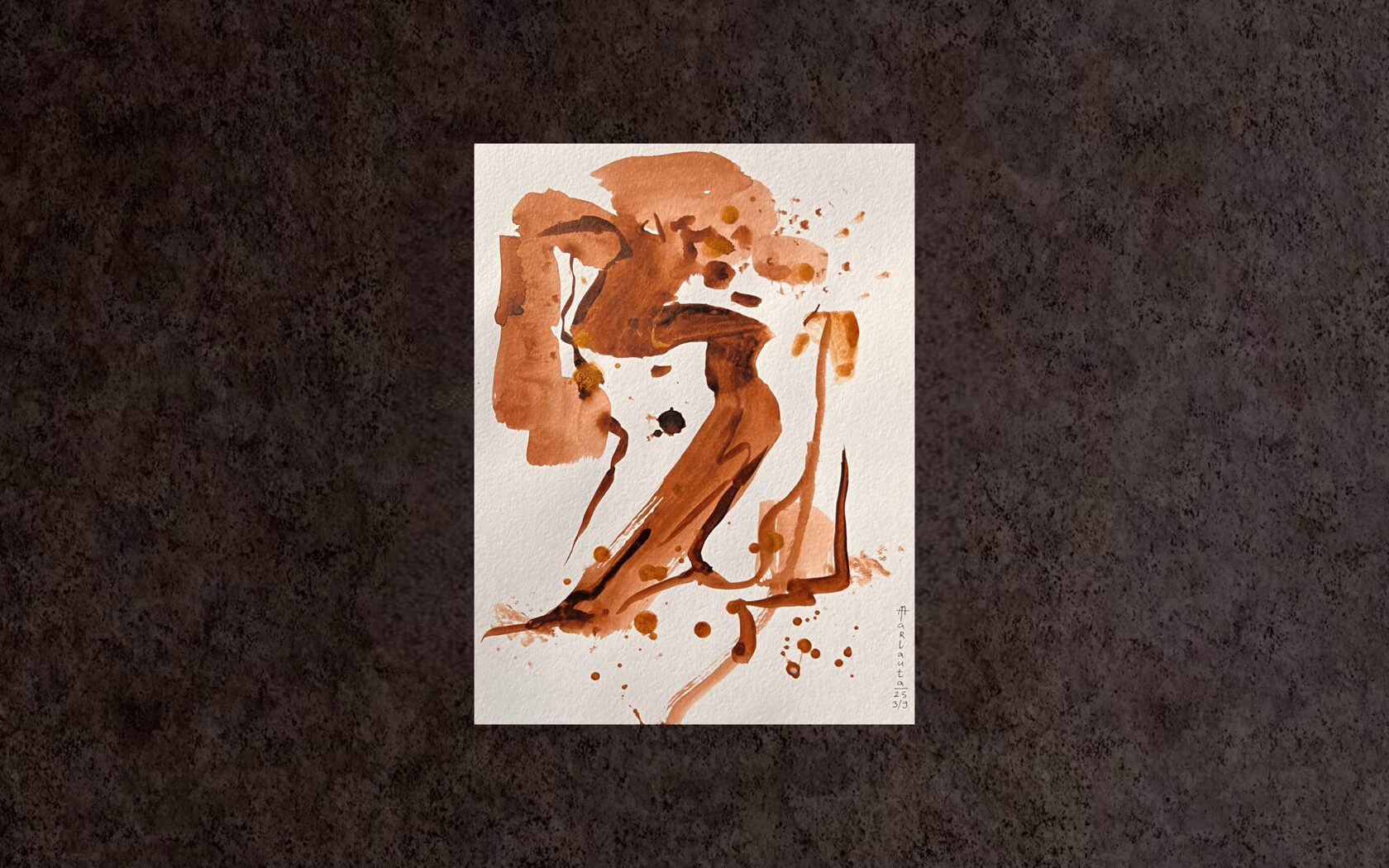
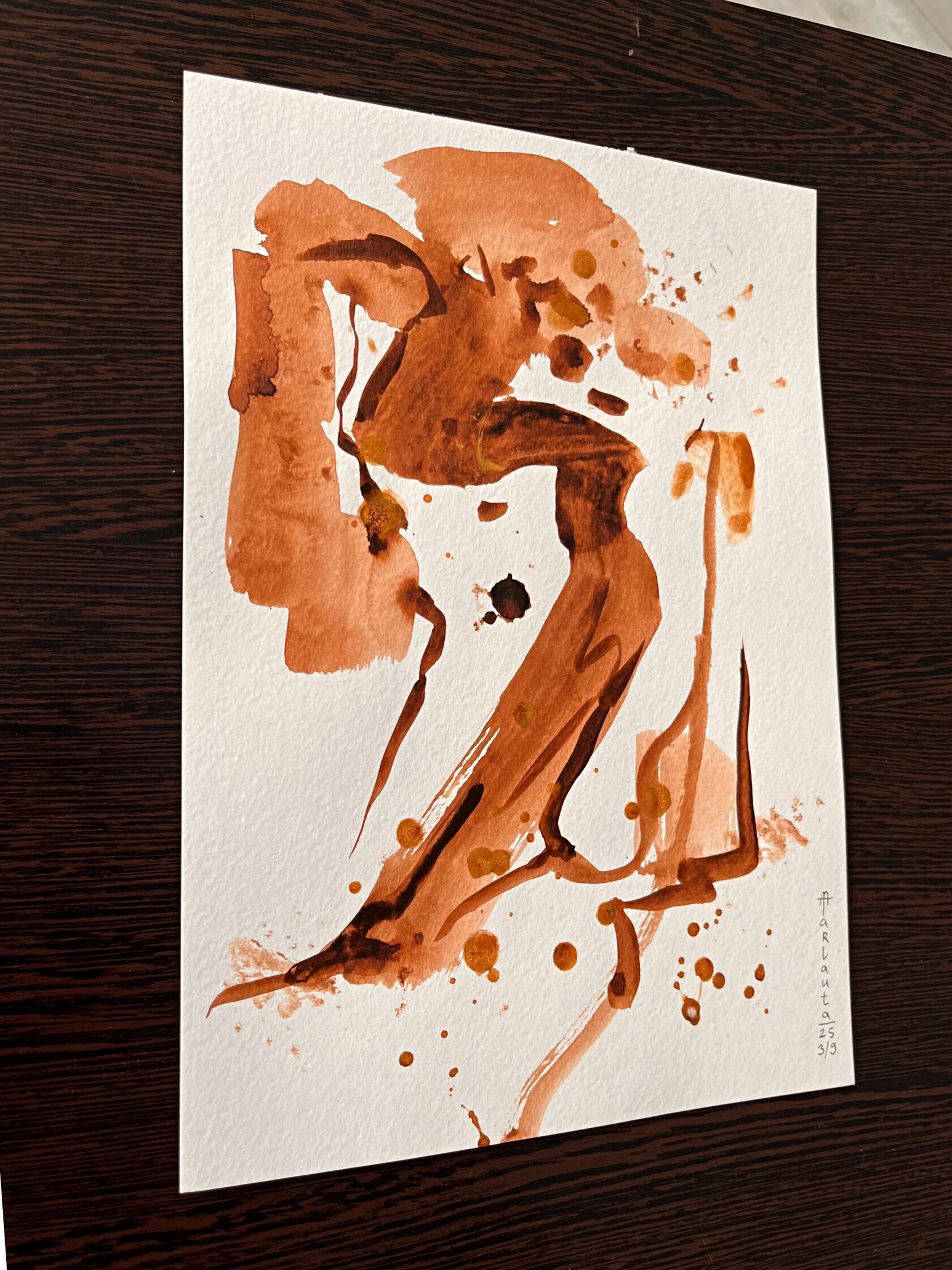
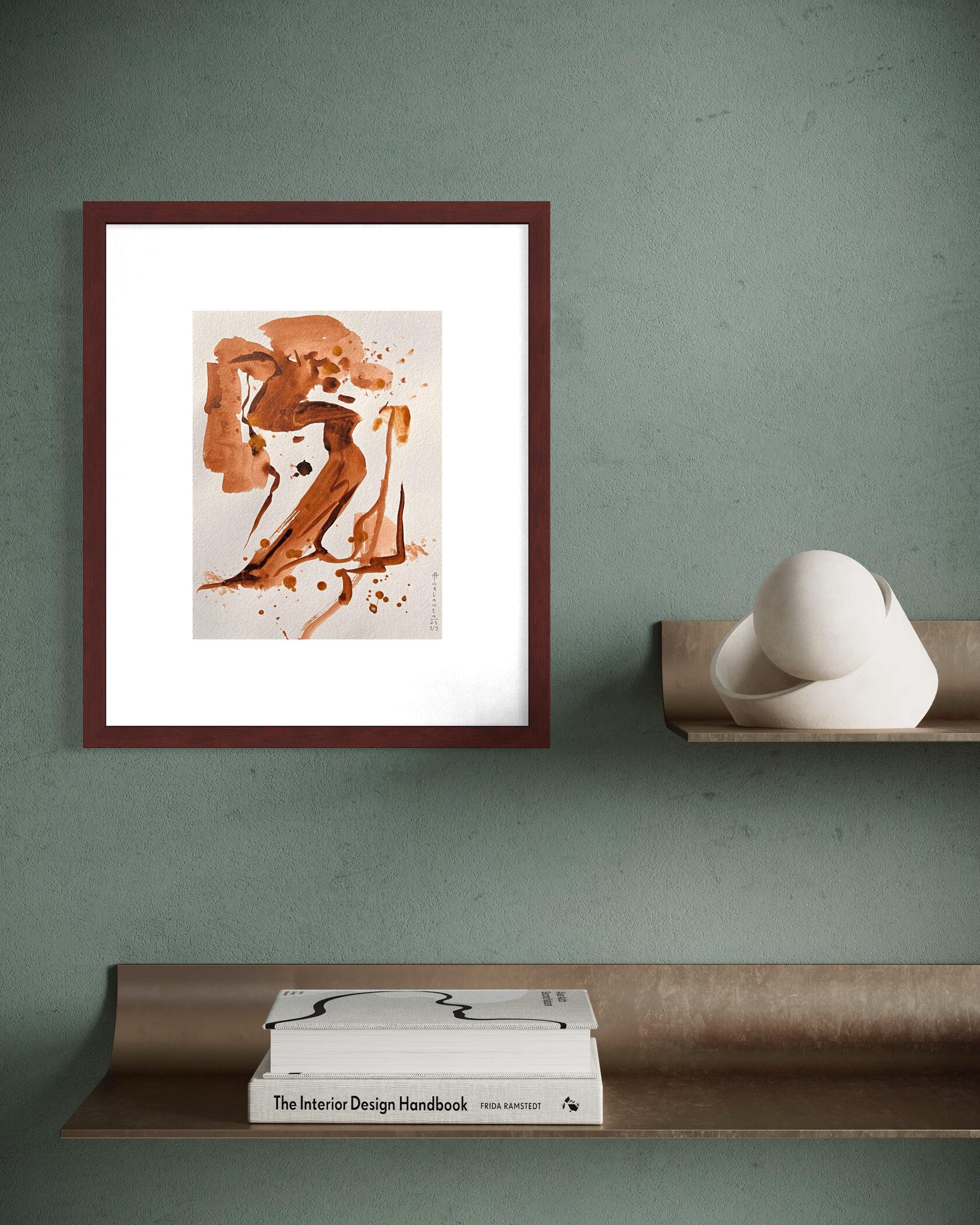
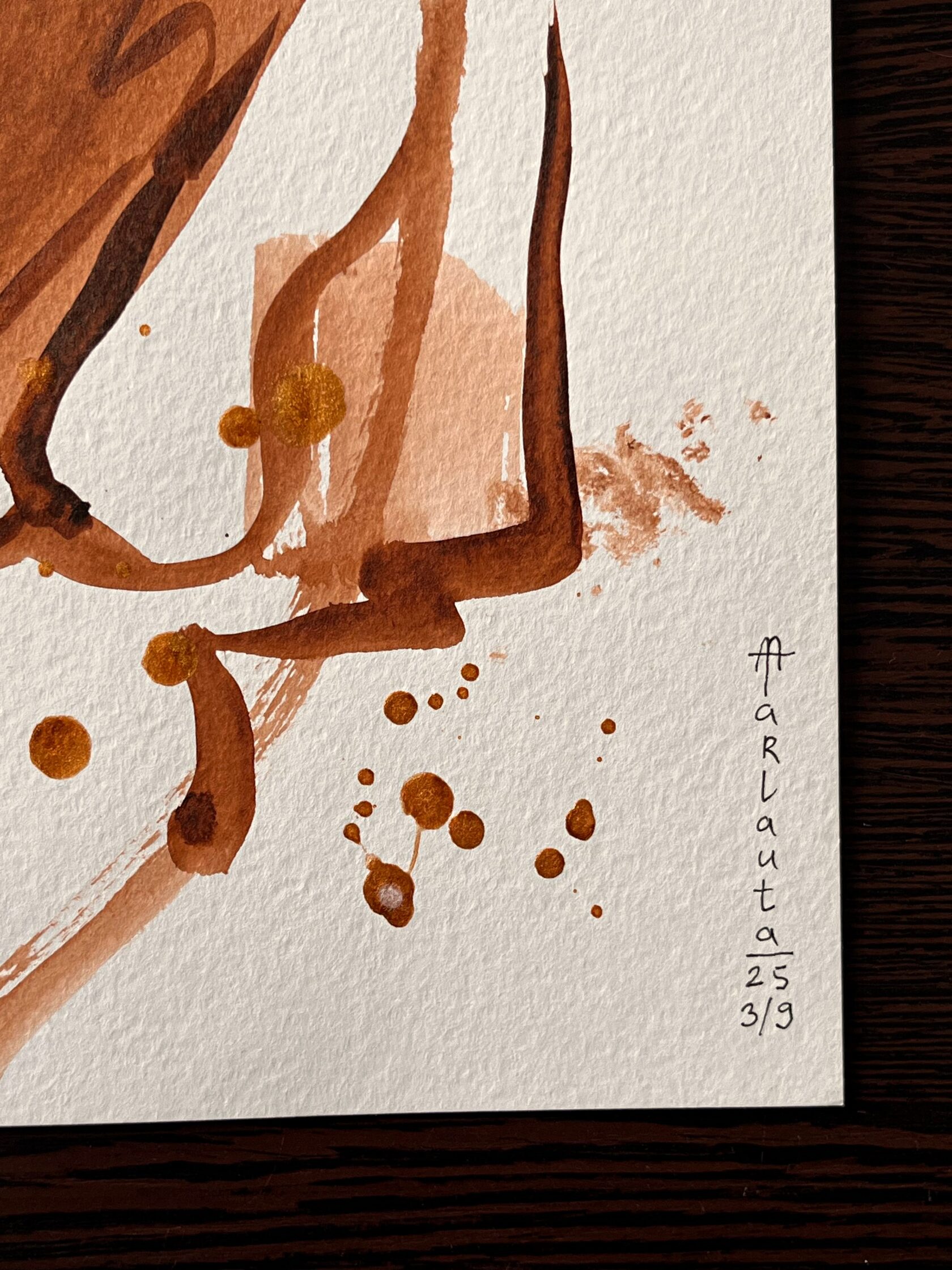
Forest signs Graphics 3/9
$
624
$
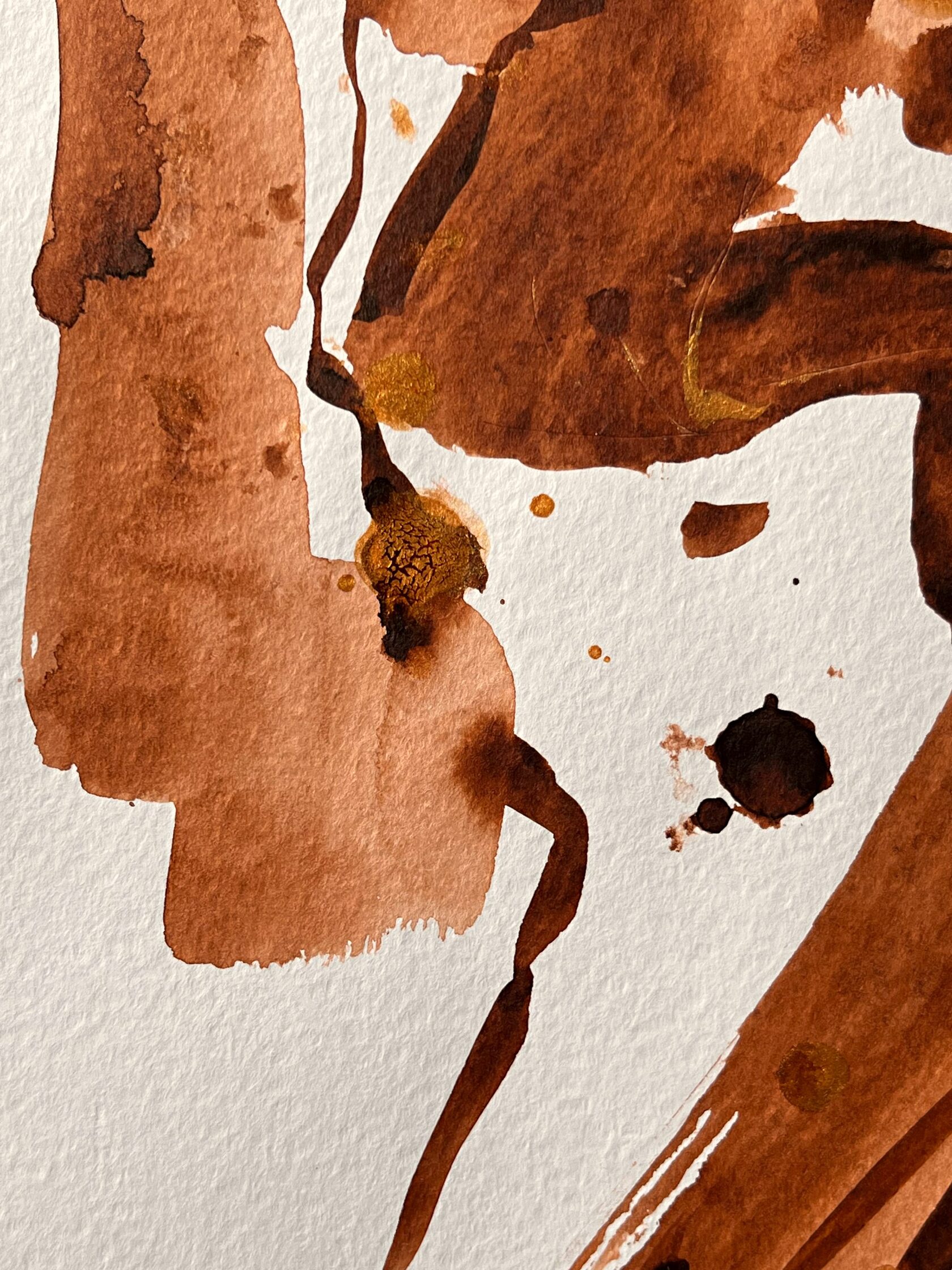
Forest Signs #3 — Original Sensory Alchemy Mixed Media on Paper, 21×29.7 cm
What if a tree had a name — its own, not the one we gave it? This is a sign. A name. A first attempt to write in a language that has no alphabet — only ink, brush, and attention.
The Myth
What if trees have names? Their own names. The ones they would use to call each other.
I spent time in forests, not as a tourist. I sat. I watched. One tree, then another. The rhythm of its branches. The map of its bark. The way it holds itself against the wind. Then I tried to write down what I heard — Signs. Abstract symbols, each one unique, like a name in a language no one speaks anymore.
It's an attempt to restore a lost dialogue. Old shamans believed that to name something is to make contact. I think they were right. Each sheet is ink on paper. Simple. Almost scientific. But inside that simplicity — hours of looking, listening, breathing with a single tree.
This series is a vocabulary for the non-human world. Nine graphic portraits of real trees — their abstract names, drawn with ink and brush. For those who have ever stood in a forest and felt watched — by the trees themselves. For those who suspect that nature is far more alive than we admit. This is for you.
Details
Coloured acrylic ink on acid-free paper (200 g/m²)
21 × 29.7 × 0.2 cm / 8.3 × 11.4 × 0.08 in
© Daria Harlauta 2025 (signed & certified)
Price (with worldwide delivery included)
$624 / €549 | per piece
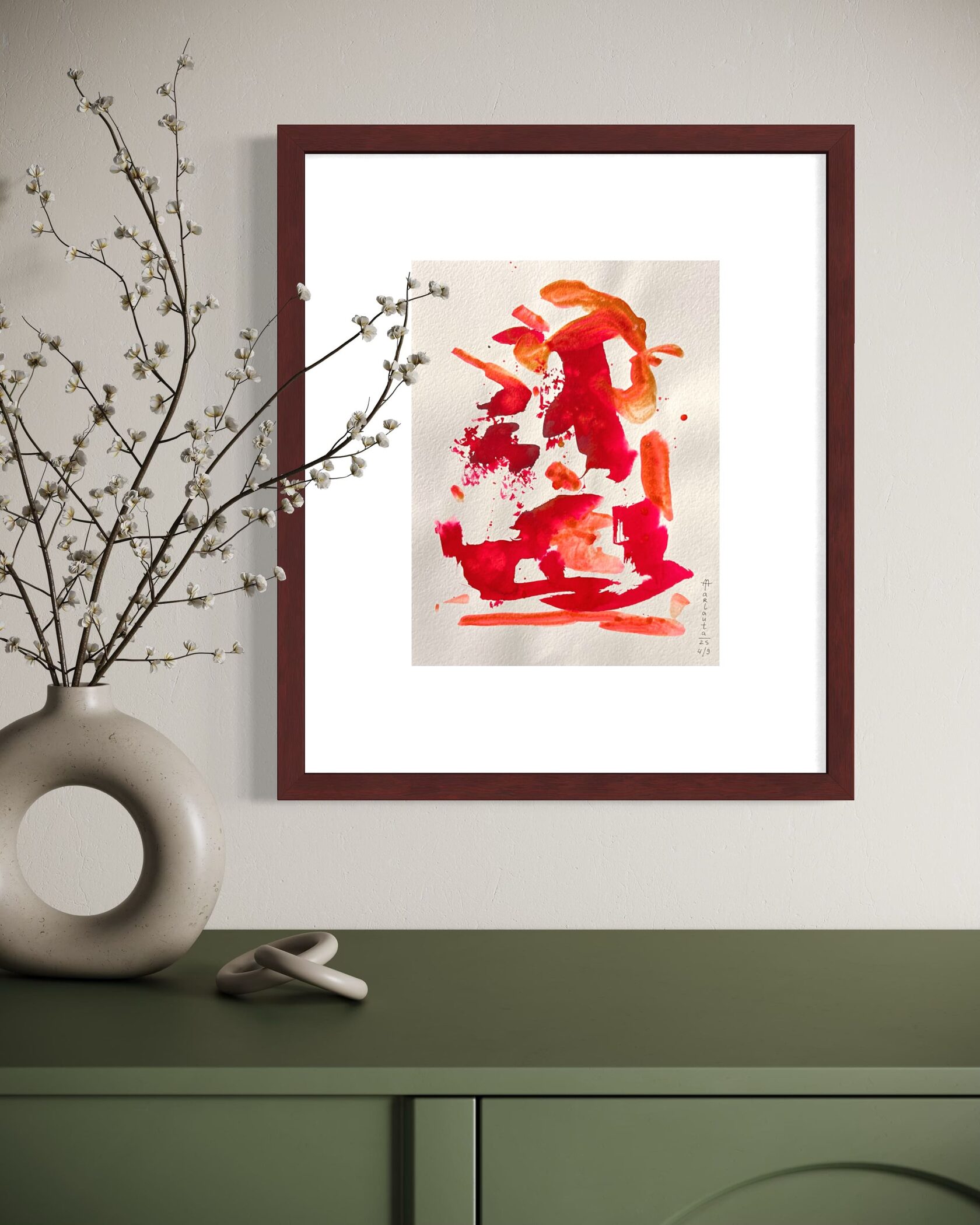
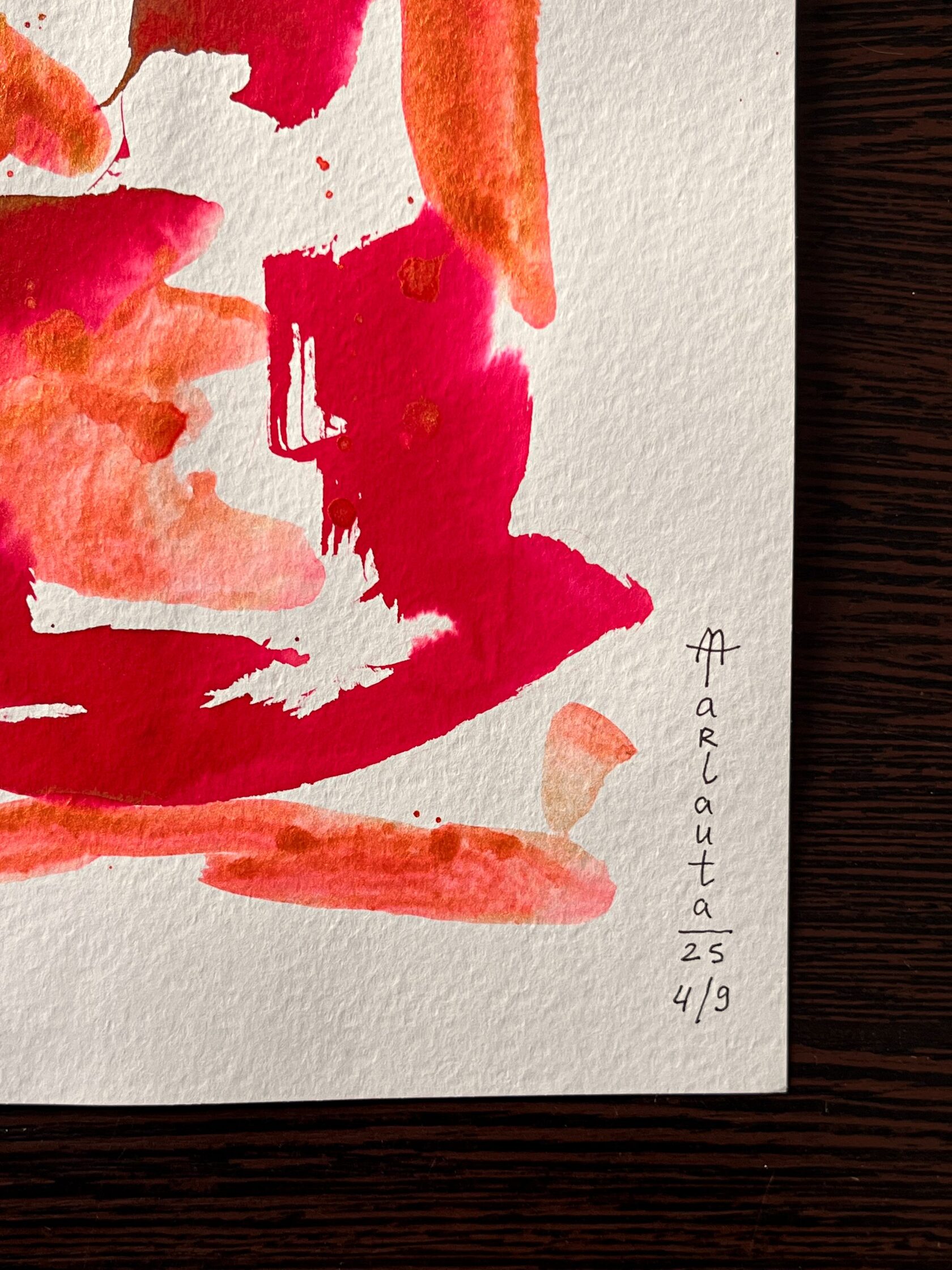
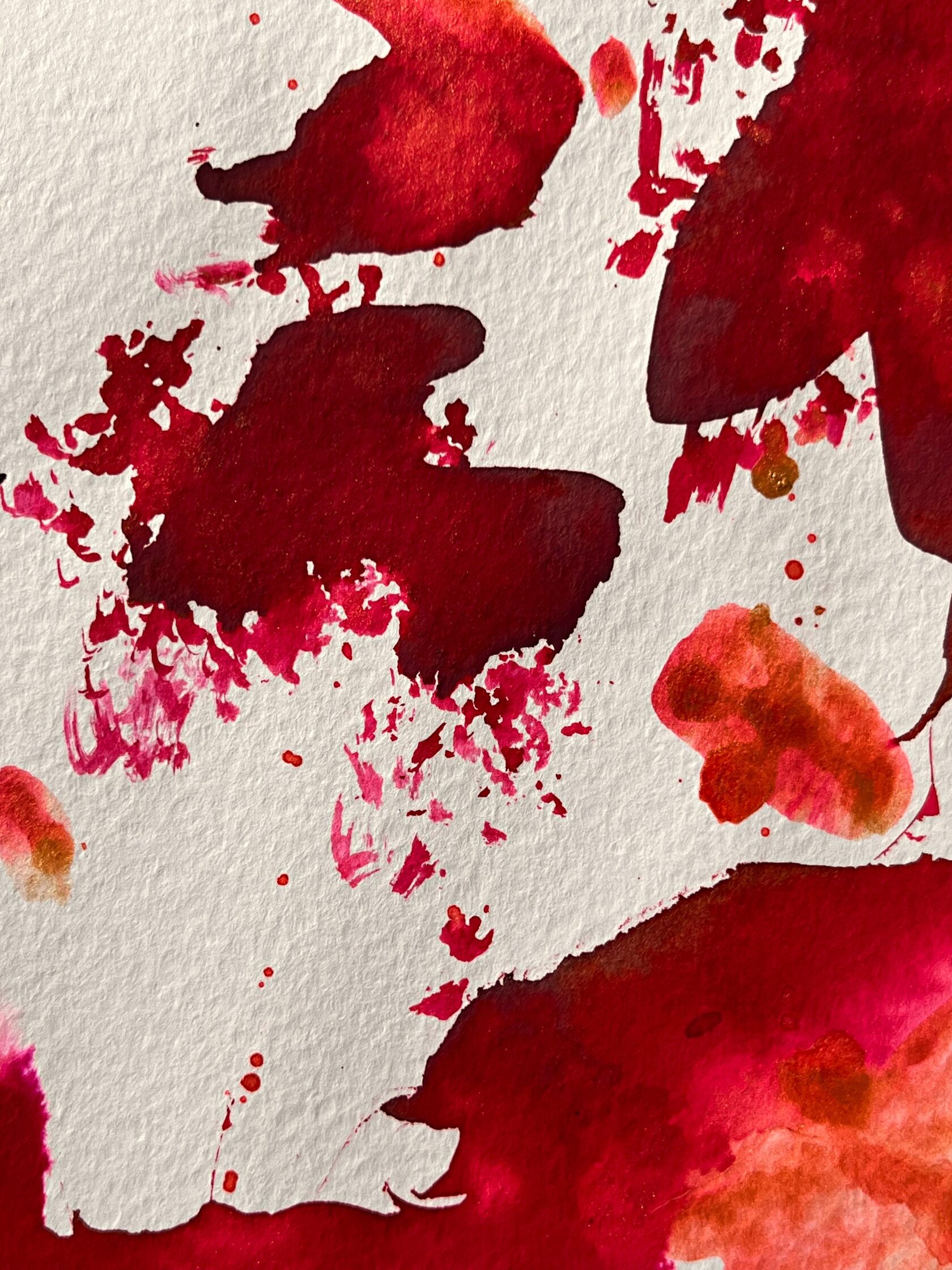
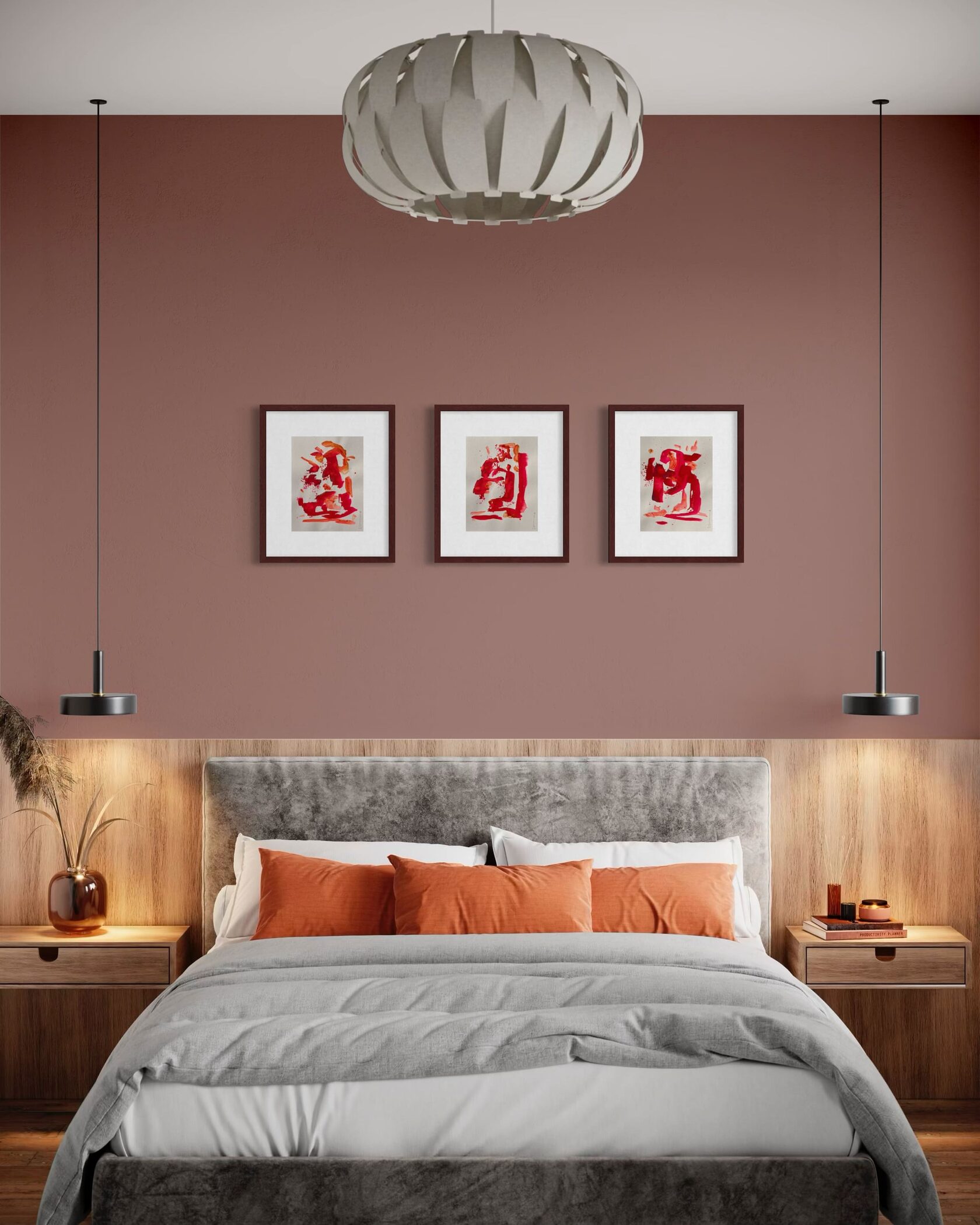
Forest signs Graphics 4/9
$
624
$
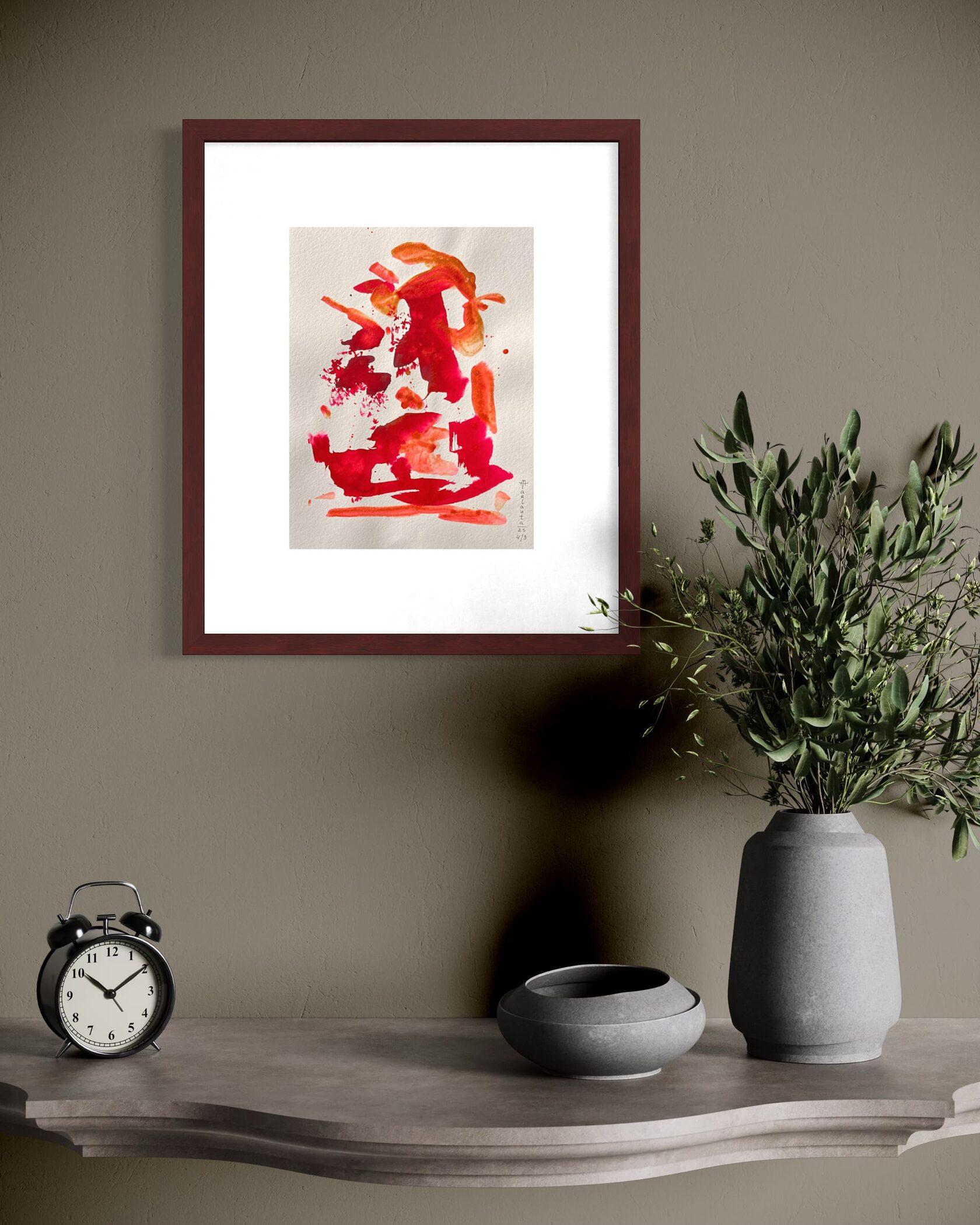
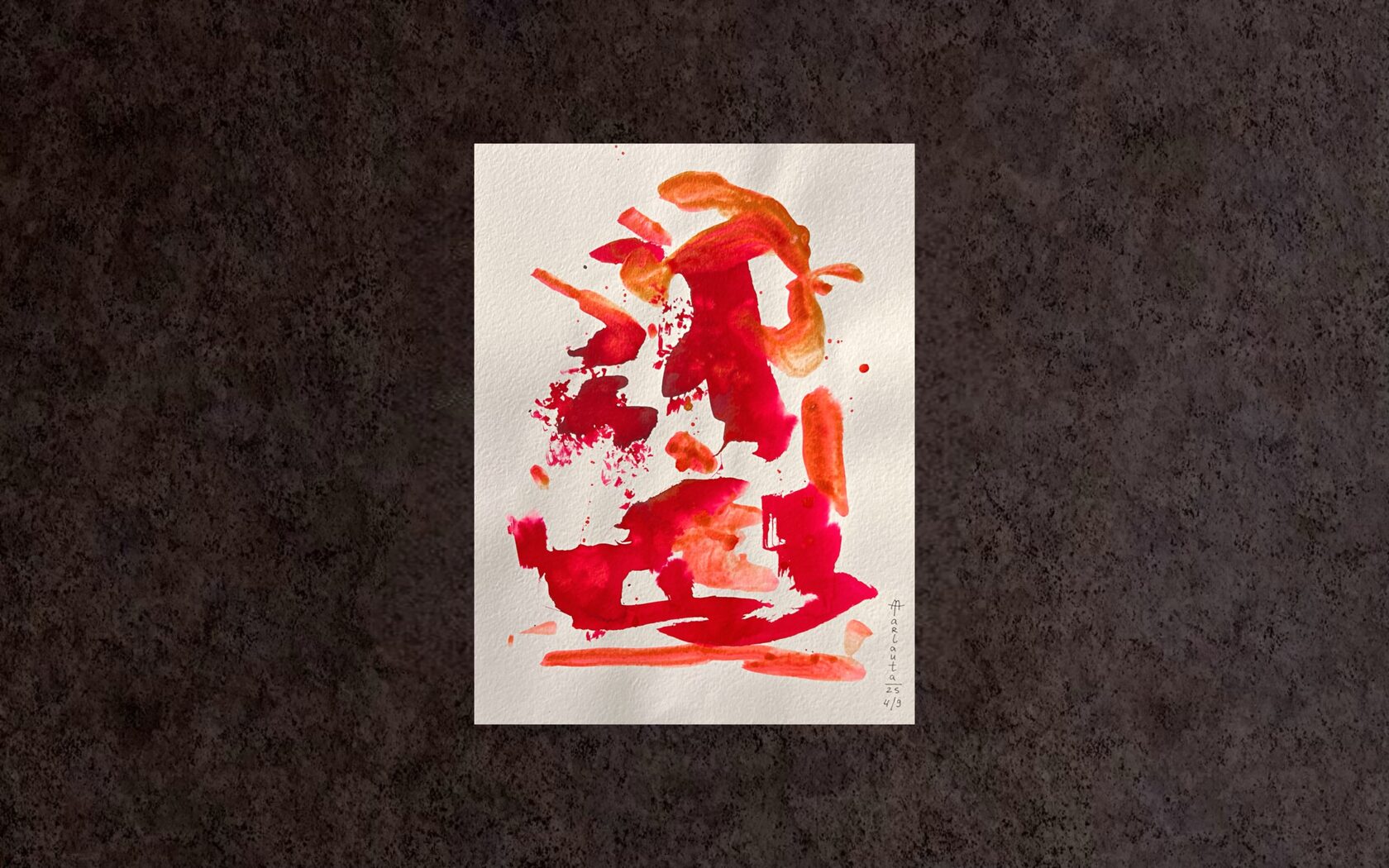
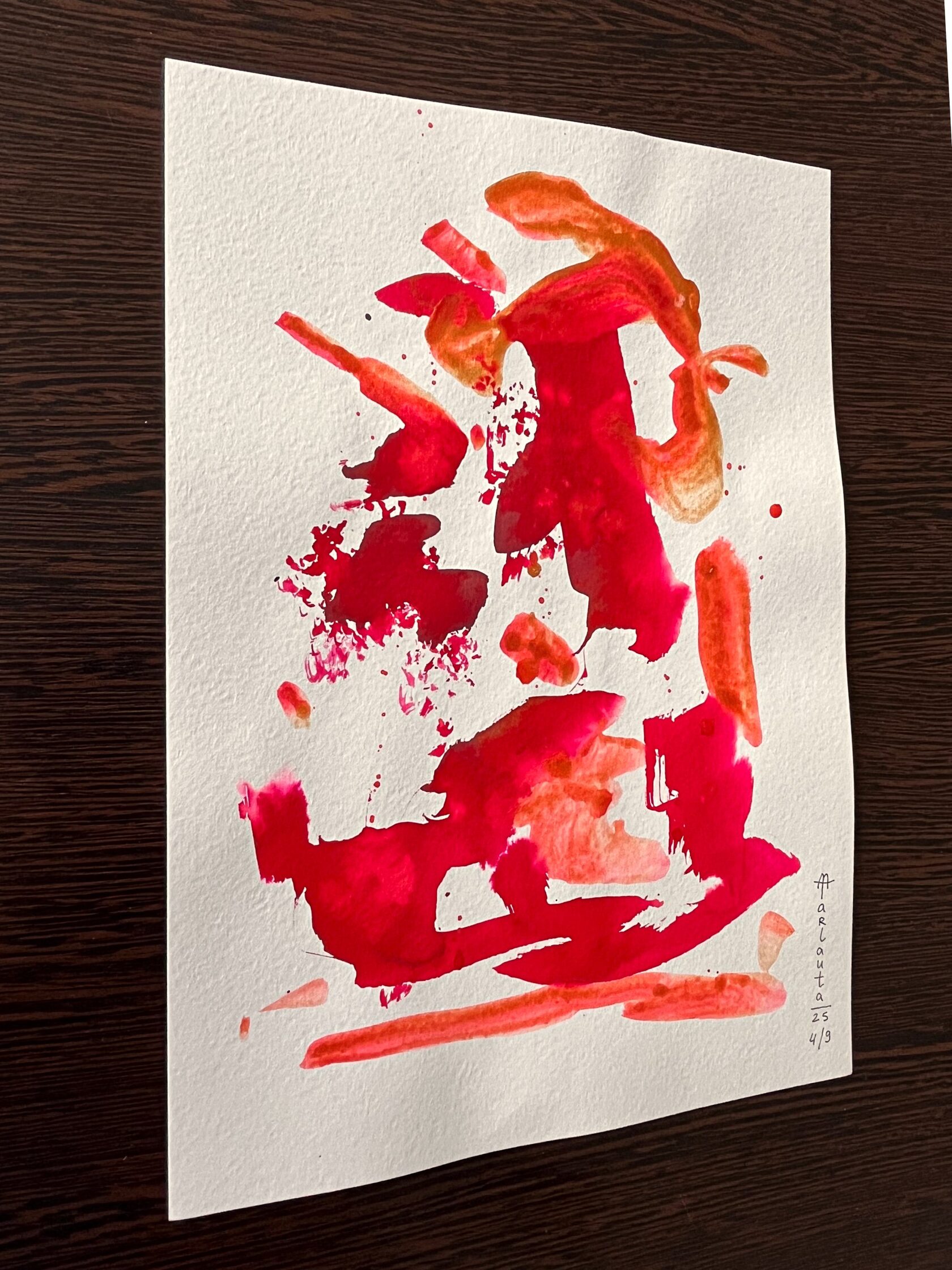
Forest Signs #4 — Original Sensory Alchemy Mixed Media Forest on Paper, 21×29.7 cm
What if a tree had a name — its own, not the one we gave it? This is a sign. A name. A first attempt to write in a language that has no alphabet — only ink, brush, and attention.
The Myth
What if trees have names? Their own names. The ones they would use to call each other.
I spent time in forests, not as a tourist. I sat. I watched. One tree, then another. The rhythm of its branches. The map of its bark. The way it holds itself against the wind. Then I tried to write down what I heard — Signs. Abstract symbols, each one unique, like a name in a language no one speaks anymore.
It's an attempt to restore a lost dialogue. Old shamans believed that to name something is to make contact. I think they were right. Each sheet is ink on paper. Simple. Almost scientific. But inside that simplicity — hours of looking, listening, breathing with a single tree.
This series is a vocabulary for the non-human world. Nine graphic portraits of real trees — their abstract names, drawn with ink and brush. For those who have ever stood in a forest and felt watched — by the trees themselves. For those who suspect that nature is far more alive than we admit. This is for you.
Details
Coloured acrylic ink on acid-free paper (200 g/m²)
21 × 29.7 × 0.2 cm / 8.3 × 11.4 × 0.08 in
© Daria Harlauta 2025 (signed & certified)
Price (with worldwide delivery included)
$624 / €549 | per piece
Forest signs Graphics 5/9
$
624
$
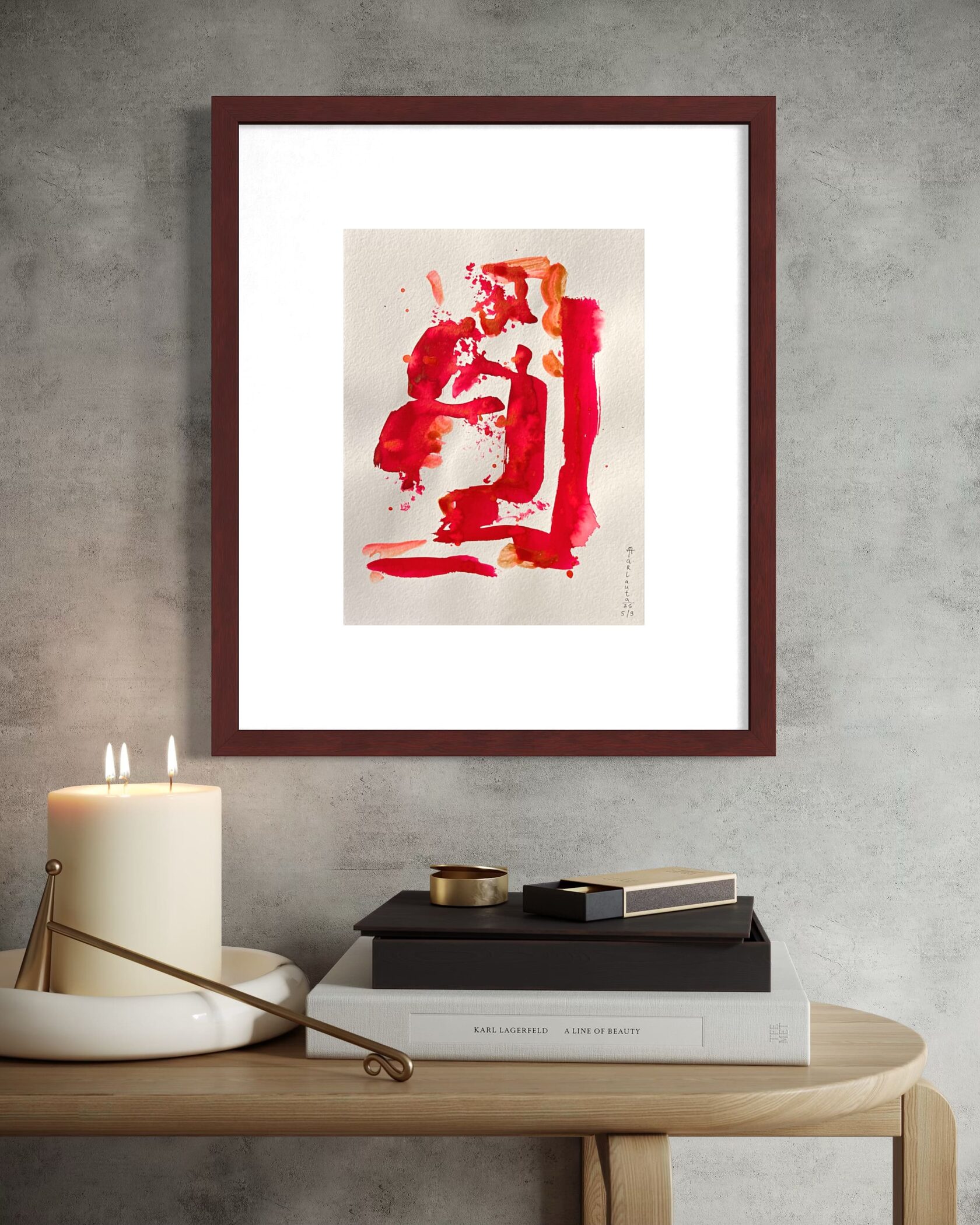
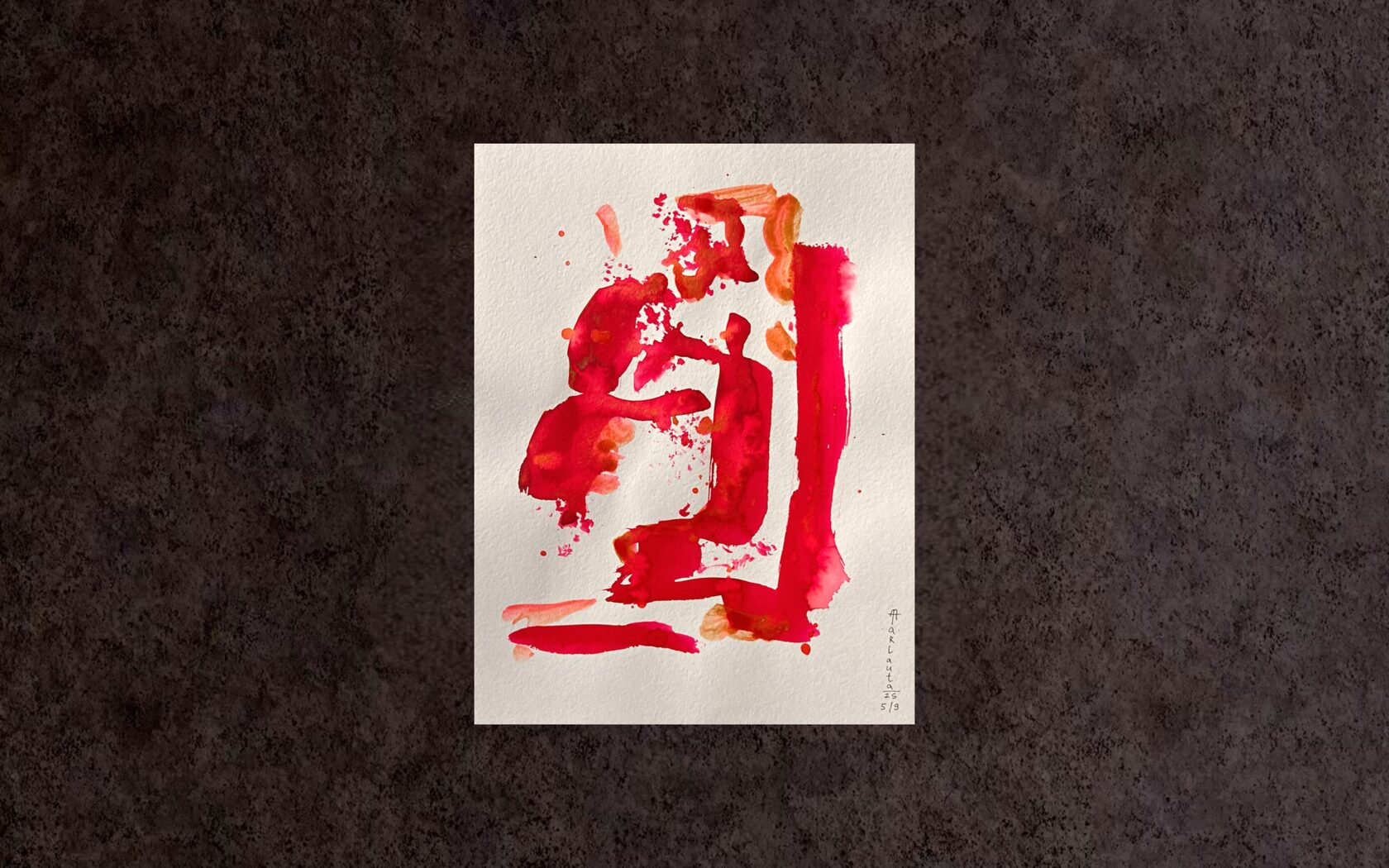
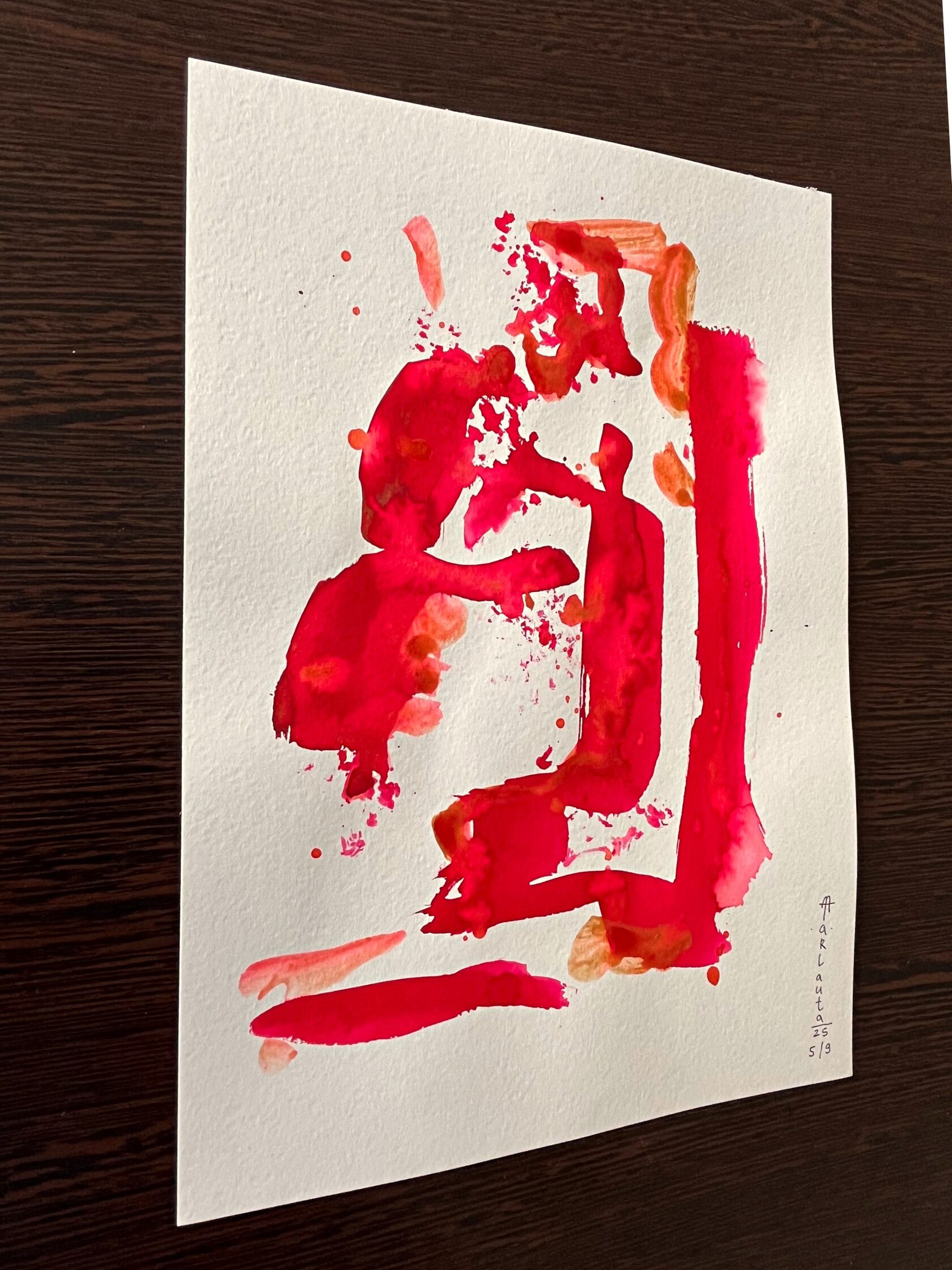
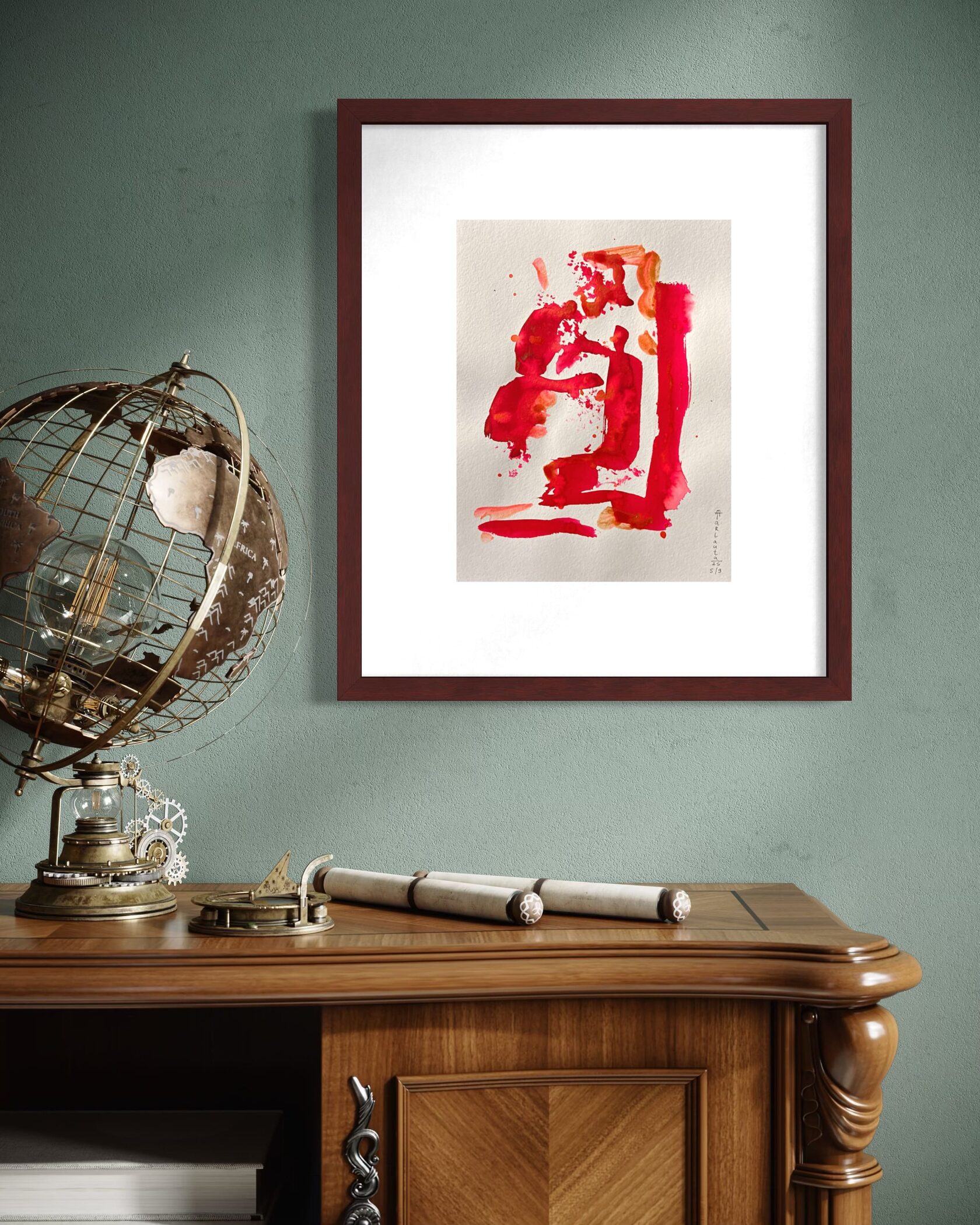
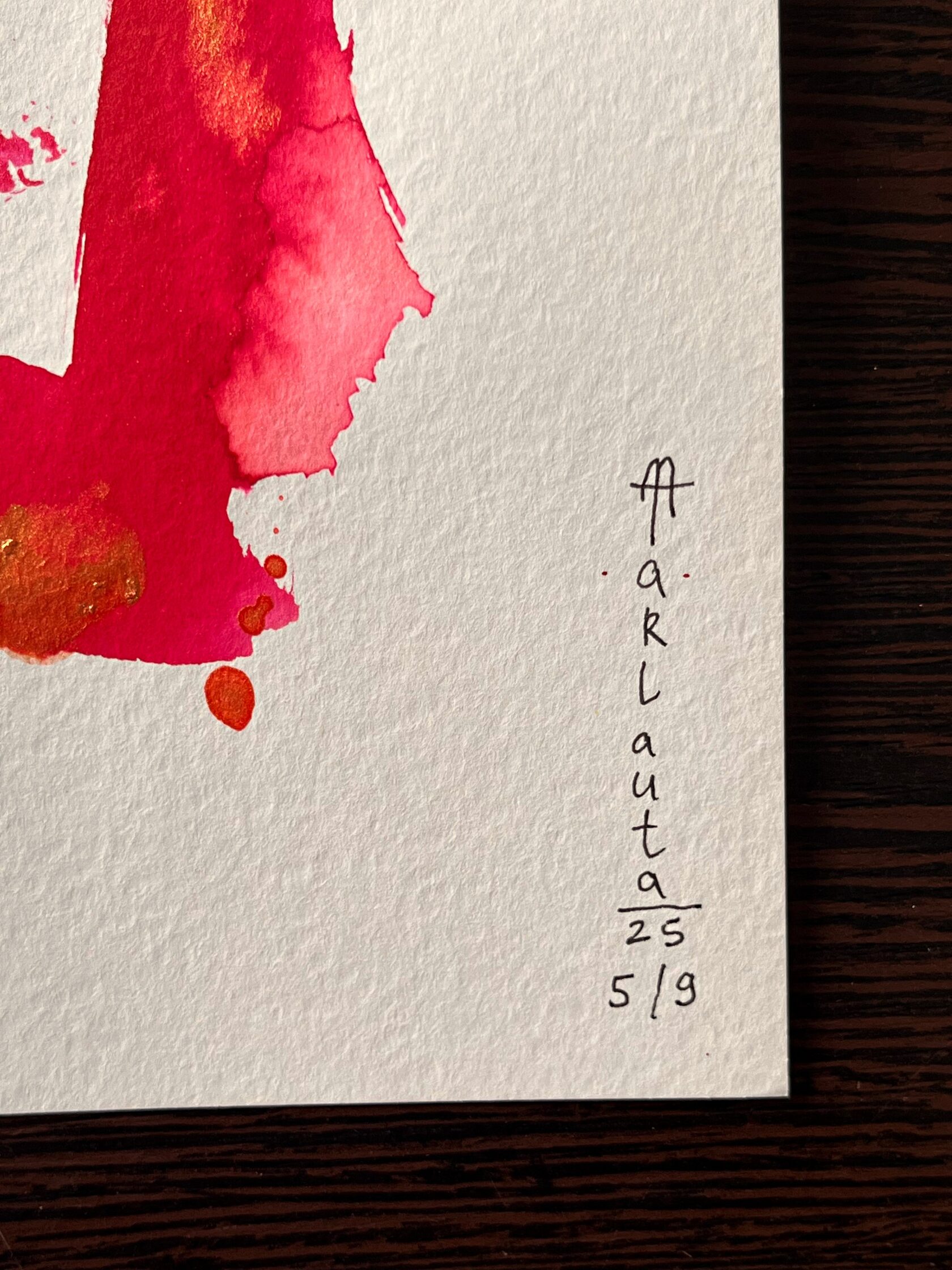
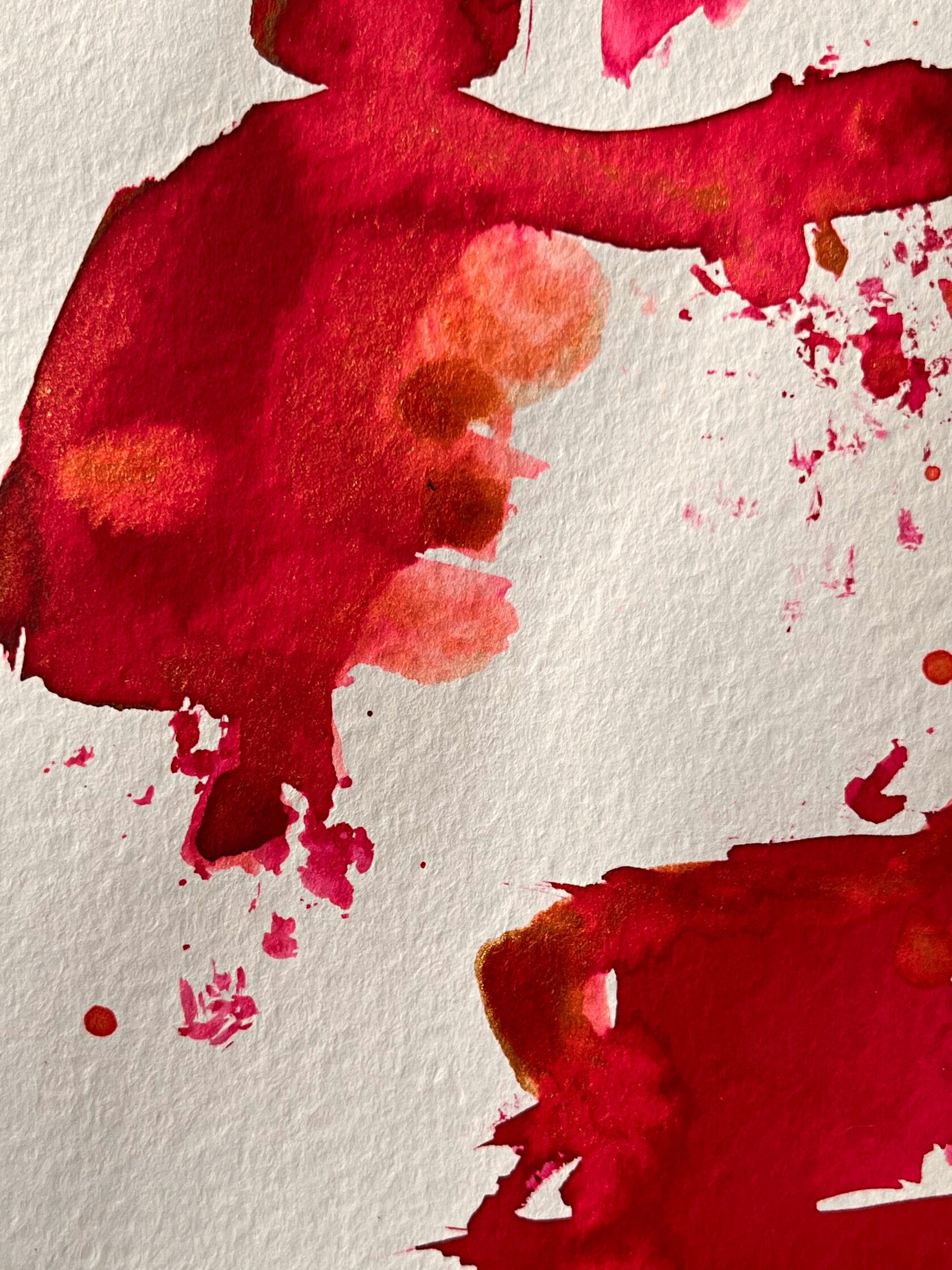
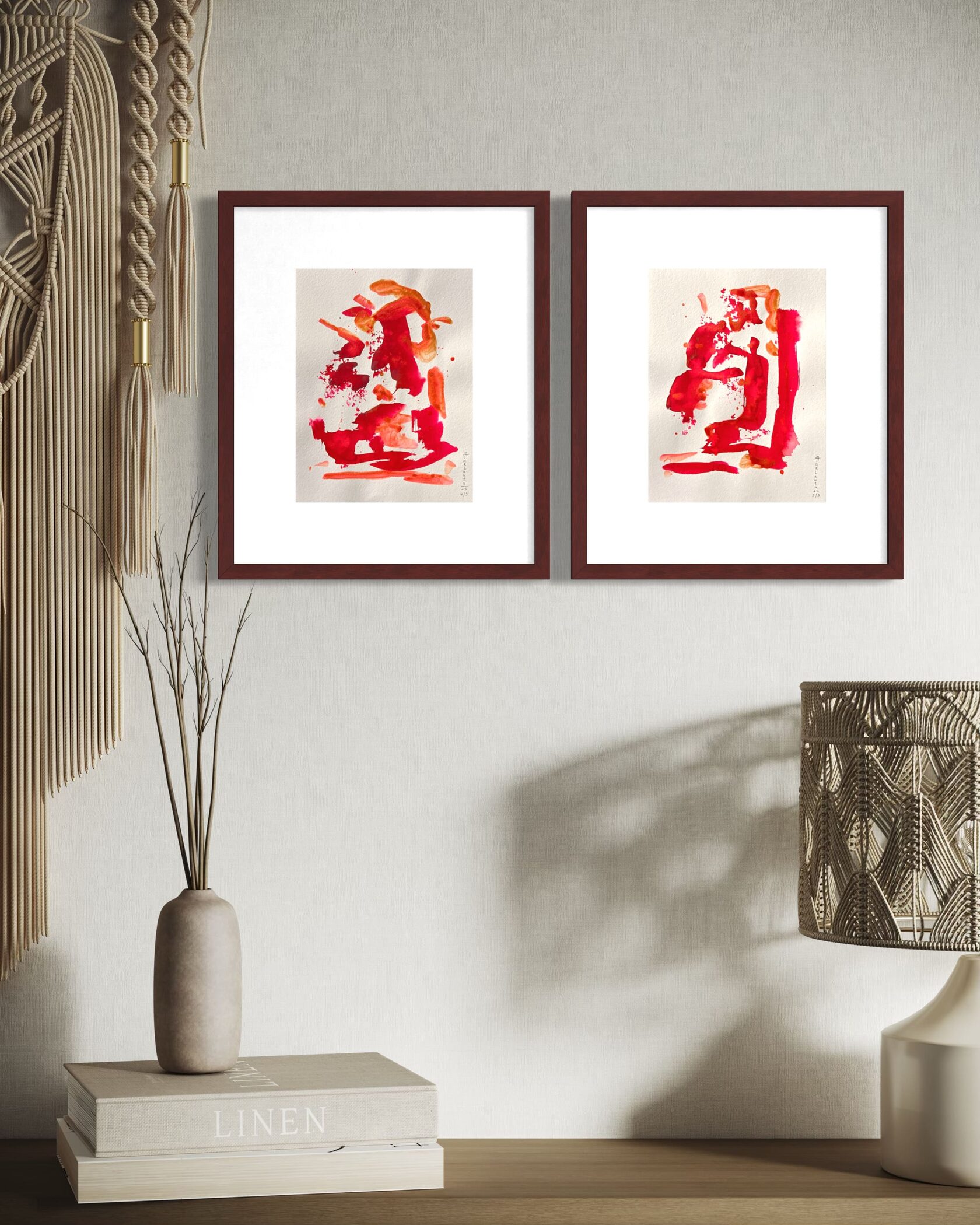
Forest Signs #5 — Original Sensory Alchemy Mixed Media Forest on Paper, 21×29.7 cm
What if a tree had a name — its own, not the one we gave it? This is a sign. A name. A first attempt to write in a language that has no alphabet — only ink, brush, and attention.
The Myth
What if trees have names? Their own names. The ones they would use to call each other.
I spent time in forests, not as a tourist. I sat. I watched. One tree, then another. The rhythm of its branches. The map of its bark. The way it holds itself against the wind. Then I tried to write down what I heard — Signs. Abstract symbols, each one unique, like a name in a language no one speaks anymore.
It's an attempt to restore a lost dialogue. Old shamans believed that to name something is to make contact. I think they were right. Each sheet is ink on paper. Simple. Almost scientific. But inside that simplicity — hours of looking, listening, breathing with a single tree.
This series is a vocabulary for the non-human world. Nine graphic portraits of real trees — their abstract names, drawn with ink and brush. For those who have ever stood in a forest and felt watched — by the trees themselves. For those who suspect that nature is far more alive than we admit. This is for you.
Details
Coloured acrylic ink on acid-free paper (200 g/m²)
21 × 29.7 × 0.2 cm / 8.3 × 11.4 × 0.08 in
© Daria Harlauta 2025 (signed & certified)
Price (with worldwide delivery included)
$624 / €549 | per piece
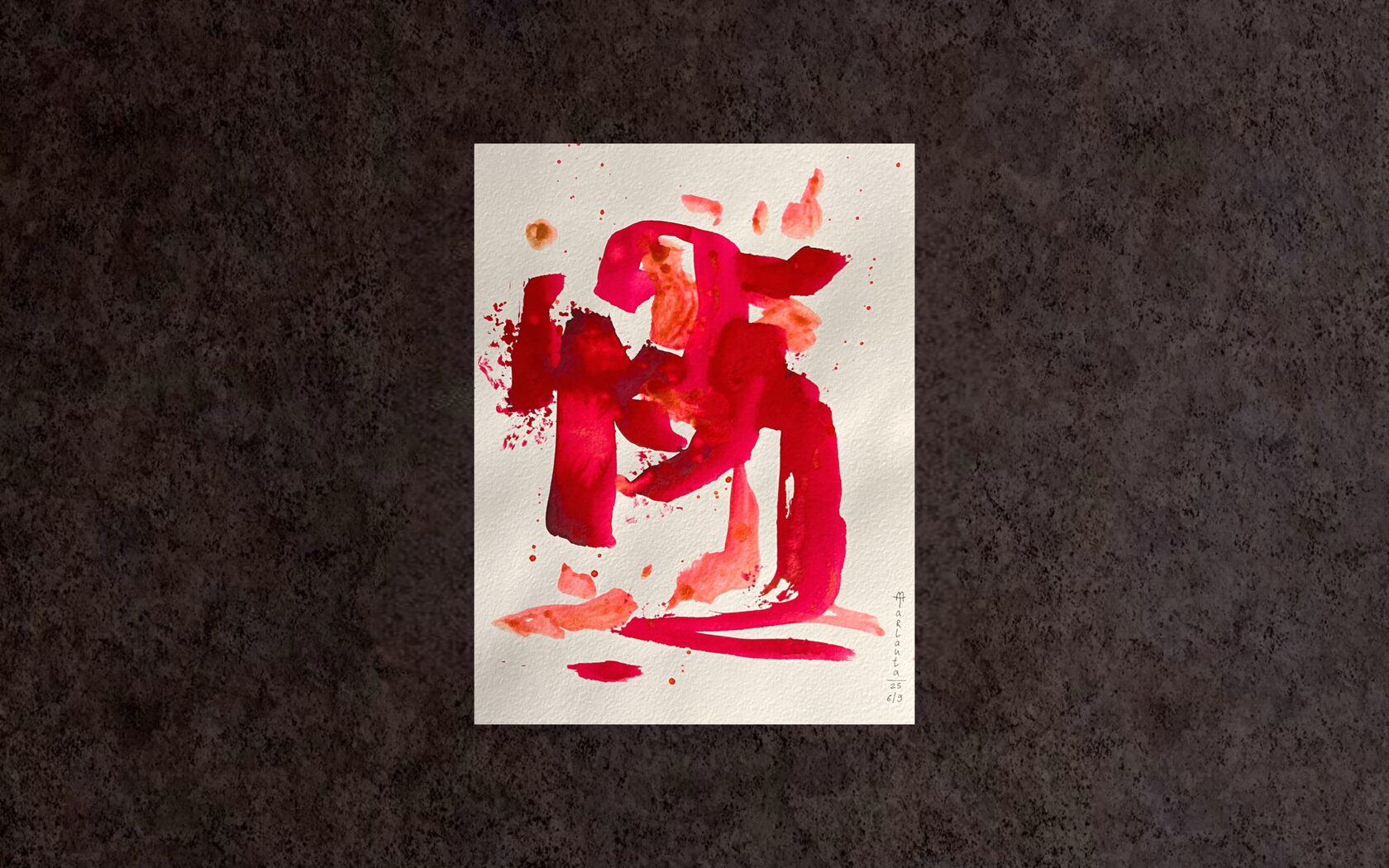
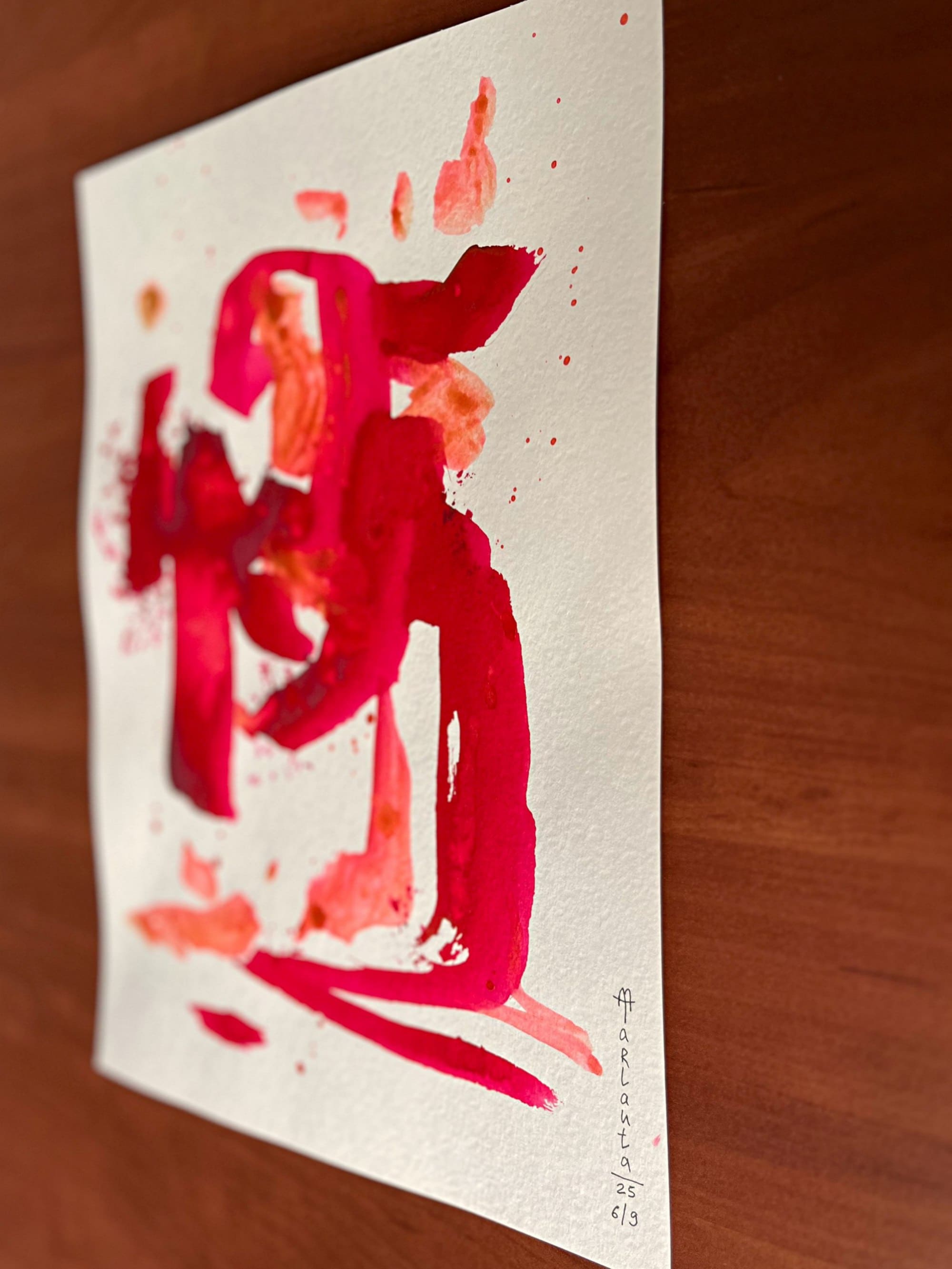
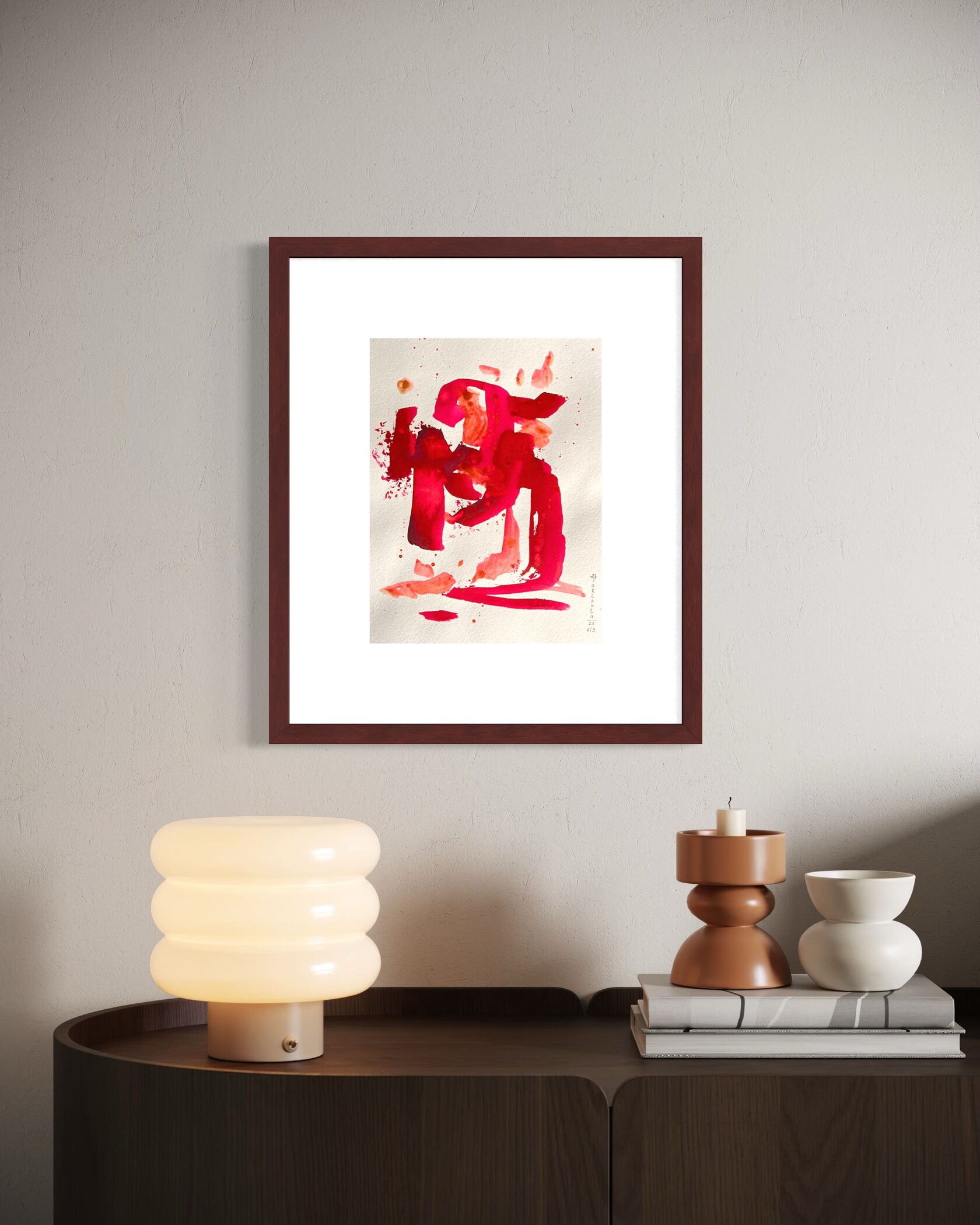
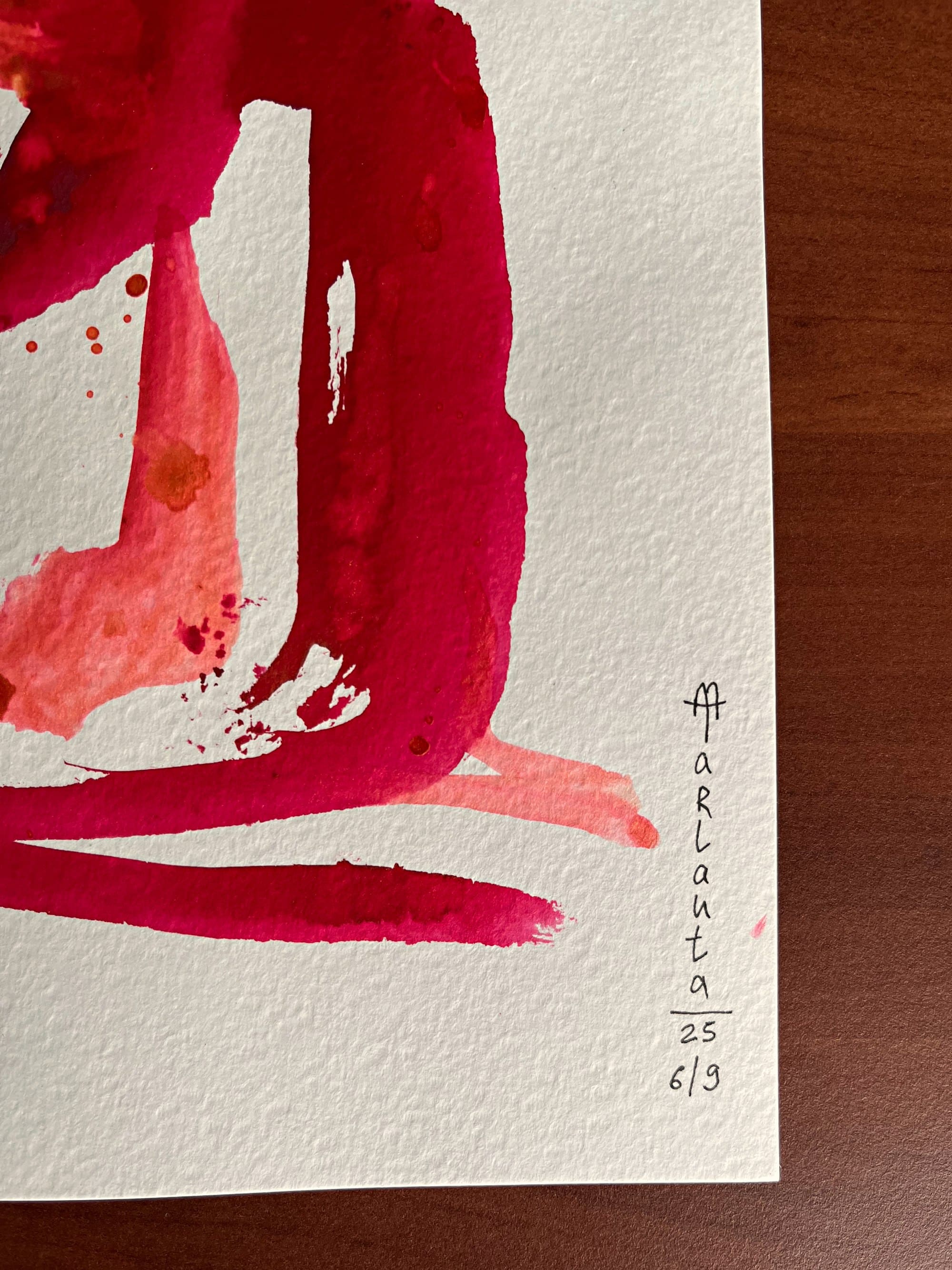
Forest signs Graphics 6/9
$
624
$
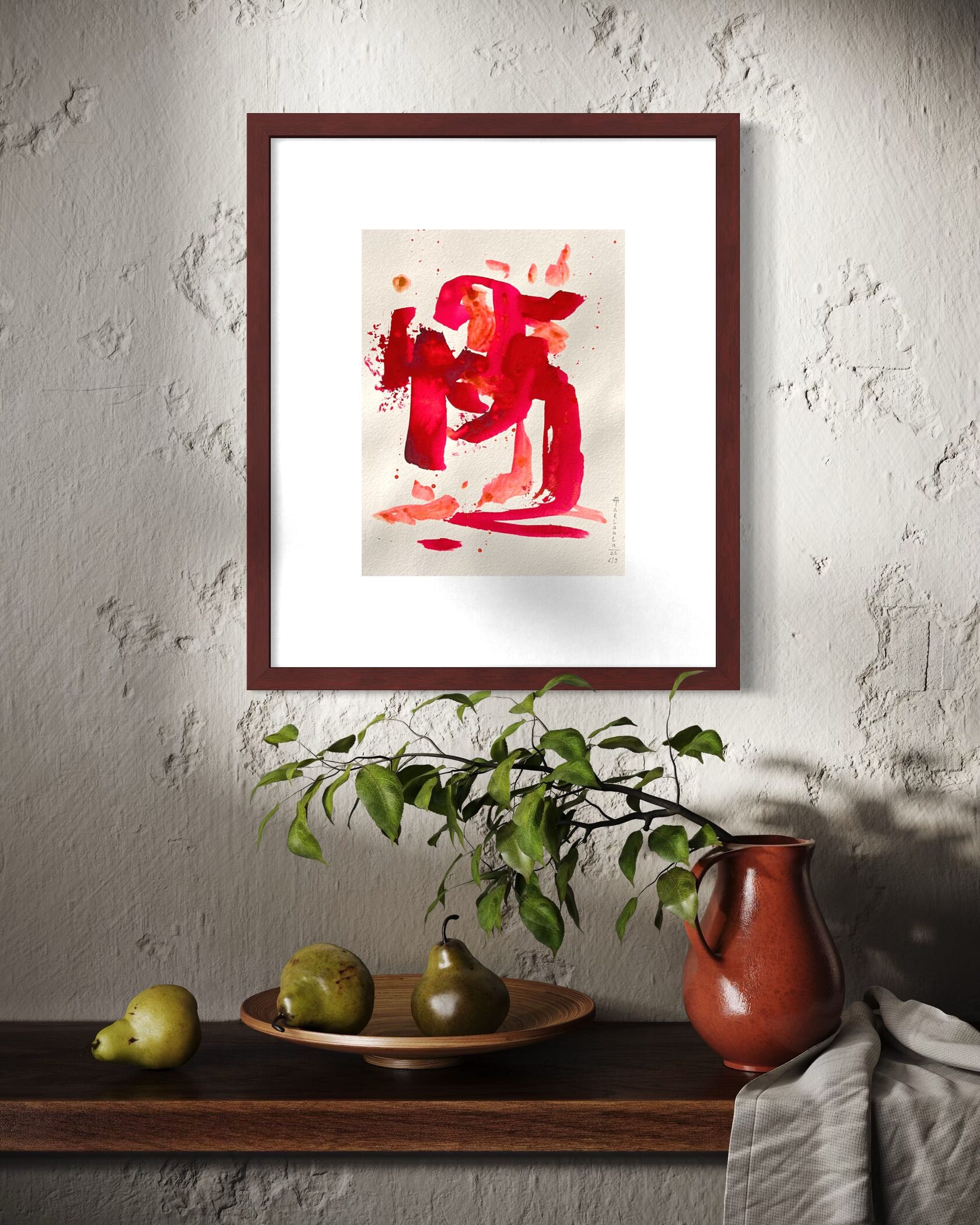
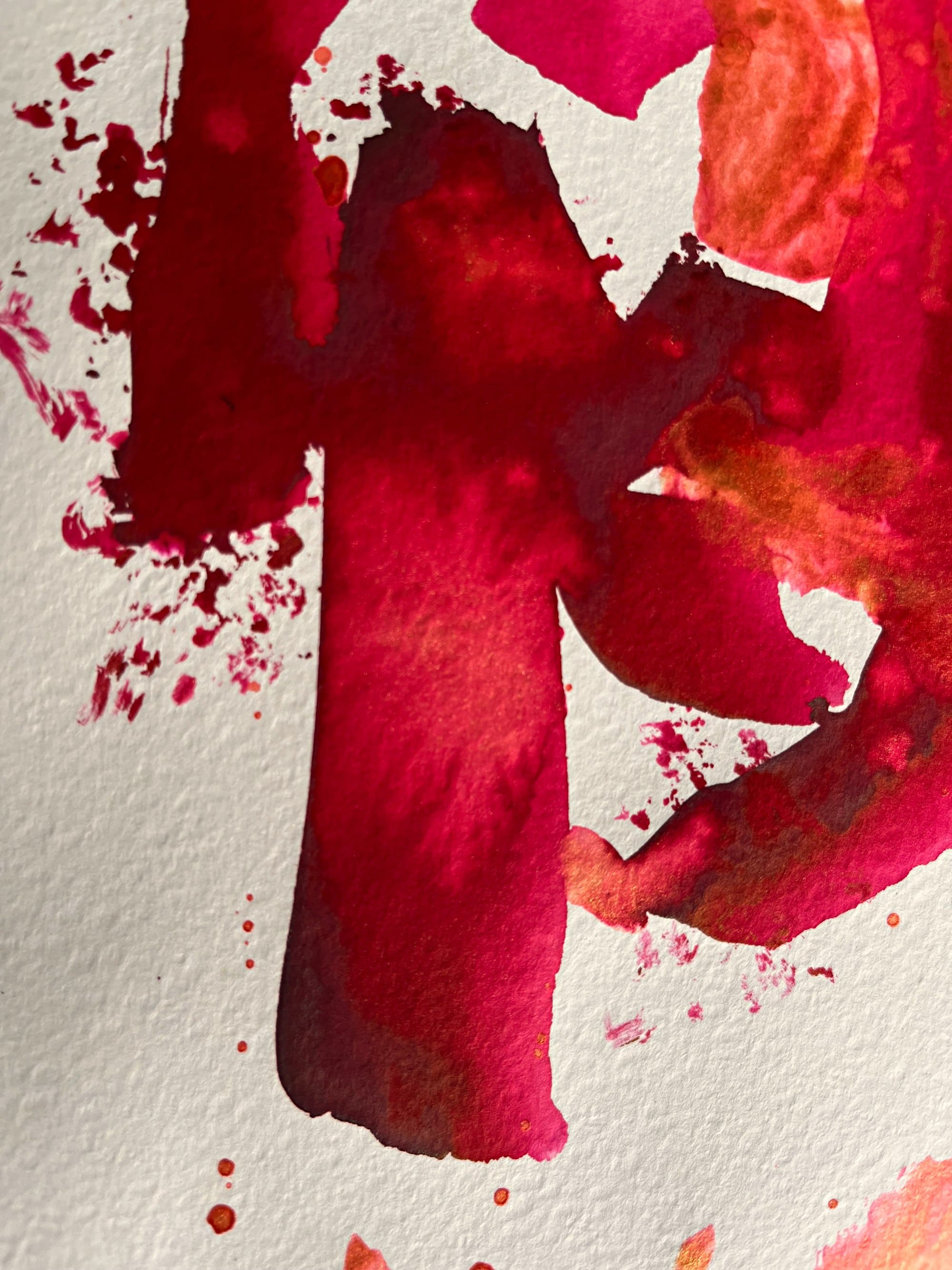
Forest Signs #6 — Original Sensory Alchemy Mixed Media Forest on Paper, 21×29.7 cm
What if a tree had a name — its own, not the one we gave it? This is a sign. A name. A first attempt to write in a language that has no alphabet — only ink, brush, and attention.
The Myth
What if trees have names? Their own names. The ones they would use to call each other.
I spent time in forests, not as a tourist. I sat. I watched. One tree, then another. The rhythm of its branches. The map of its bark. The way it holds itself against the wind. Then I tried to write down what I heard — Signs. Abstract symbols, each one unique, like a name in a language no one speaks anymore.
It's an attempt to restore a lost dialogue. Old shamans believed that to name something is to make contact. I think they were right. Each sheet is ink on paper. Simple. Almost scientific. But inside that simplicity — hours of looking, listening, breathing with a single tree.
This series is a vocabulary for the non-human world. Nine graphic portraits of real trees — their abstract names, drawn with ink and brush. For those who have ever stood in a forest and felt watched — by the trees themselves. For those who suspect that nature is far more alive than we admit. This is for you.
Details
Coloured acrylic ink on acid-free paper (200 g/m²)
21 × 29.7 × 0.2 cm / 8.3 × 11.4 × 0.08 in
© Daria Harlauta 2025 (signed & certified)
Price (with worldwide delivery included)
$624 / €549 | per piece
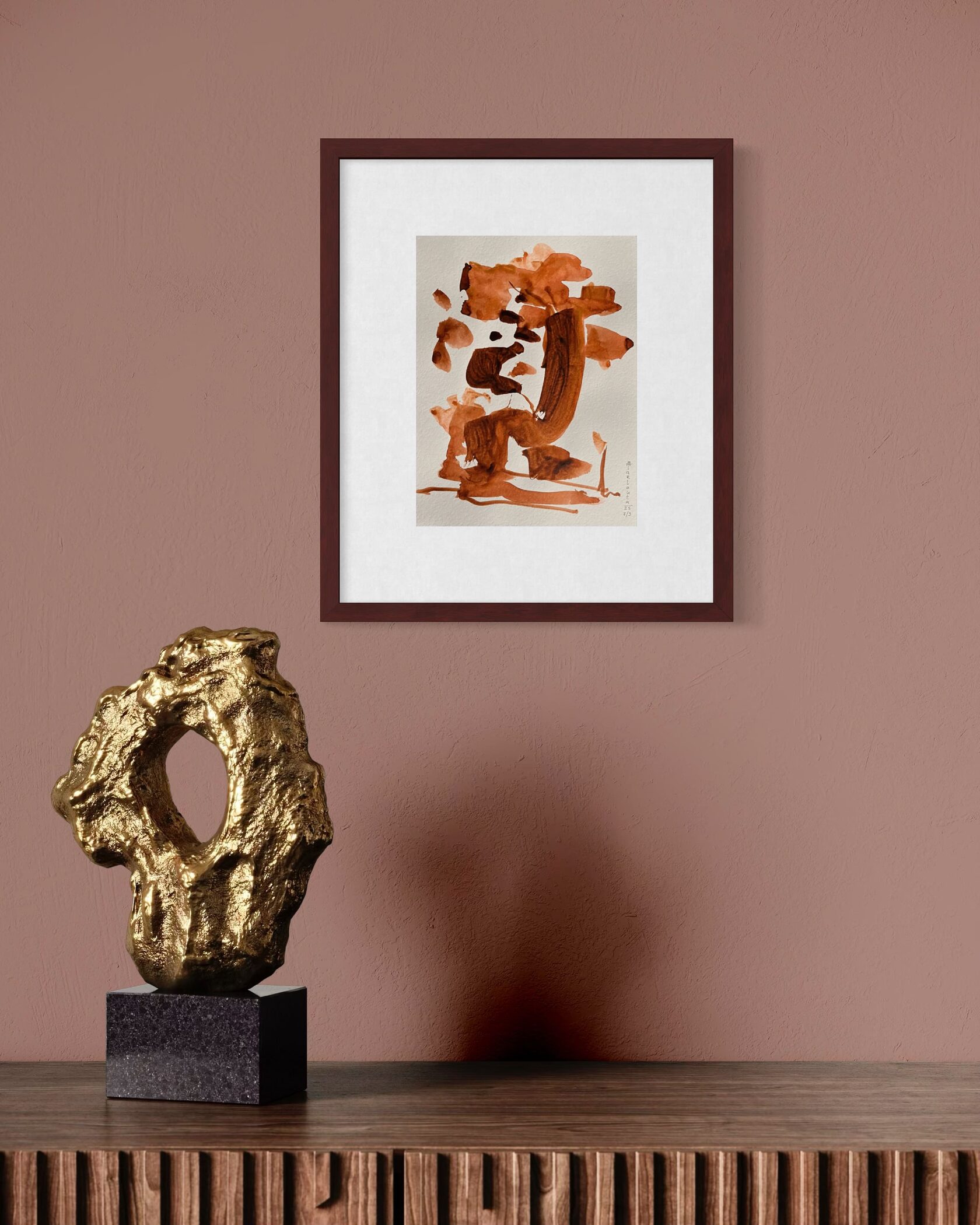
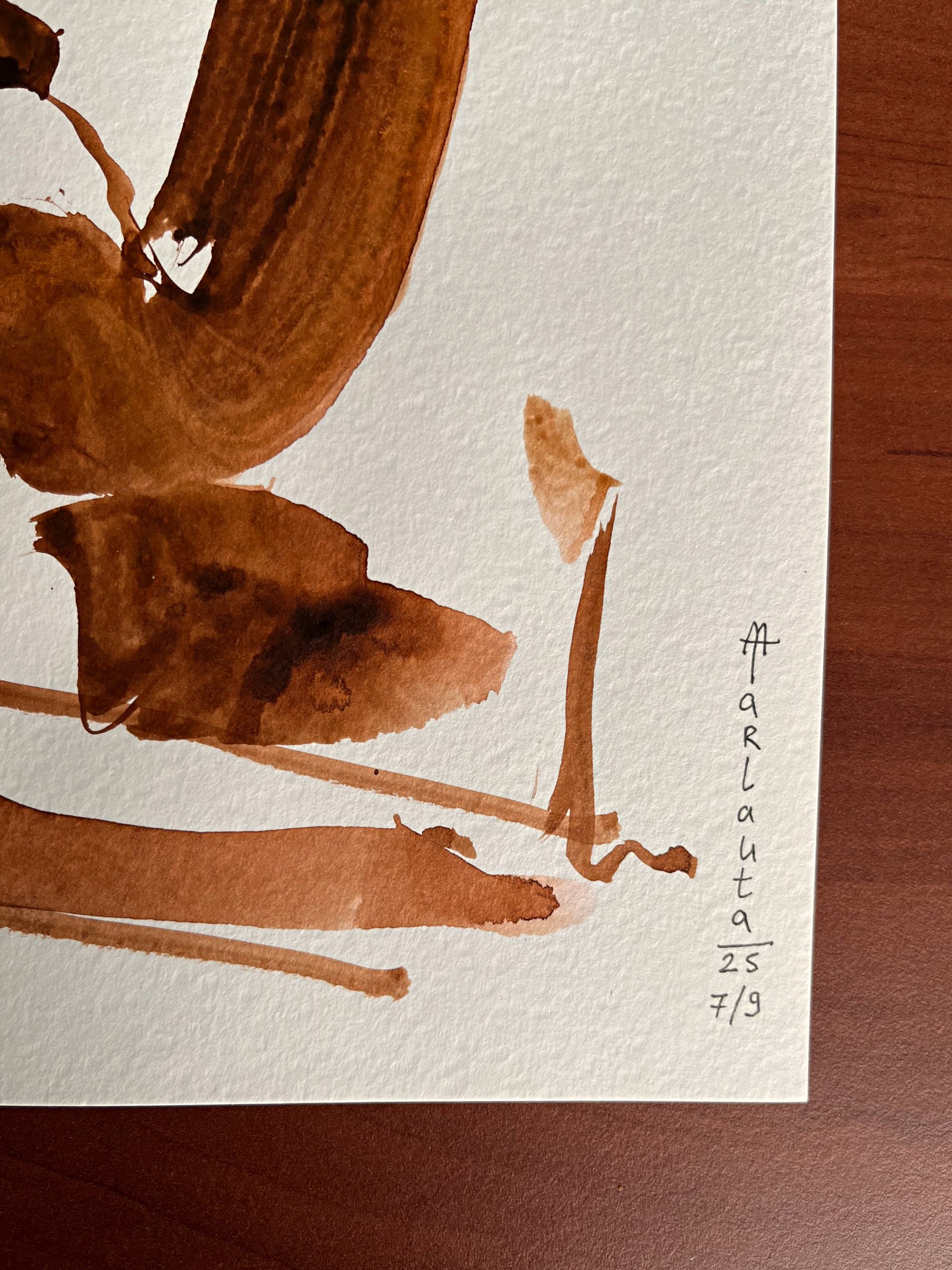
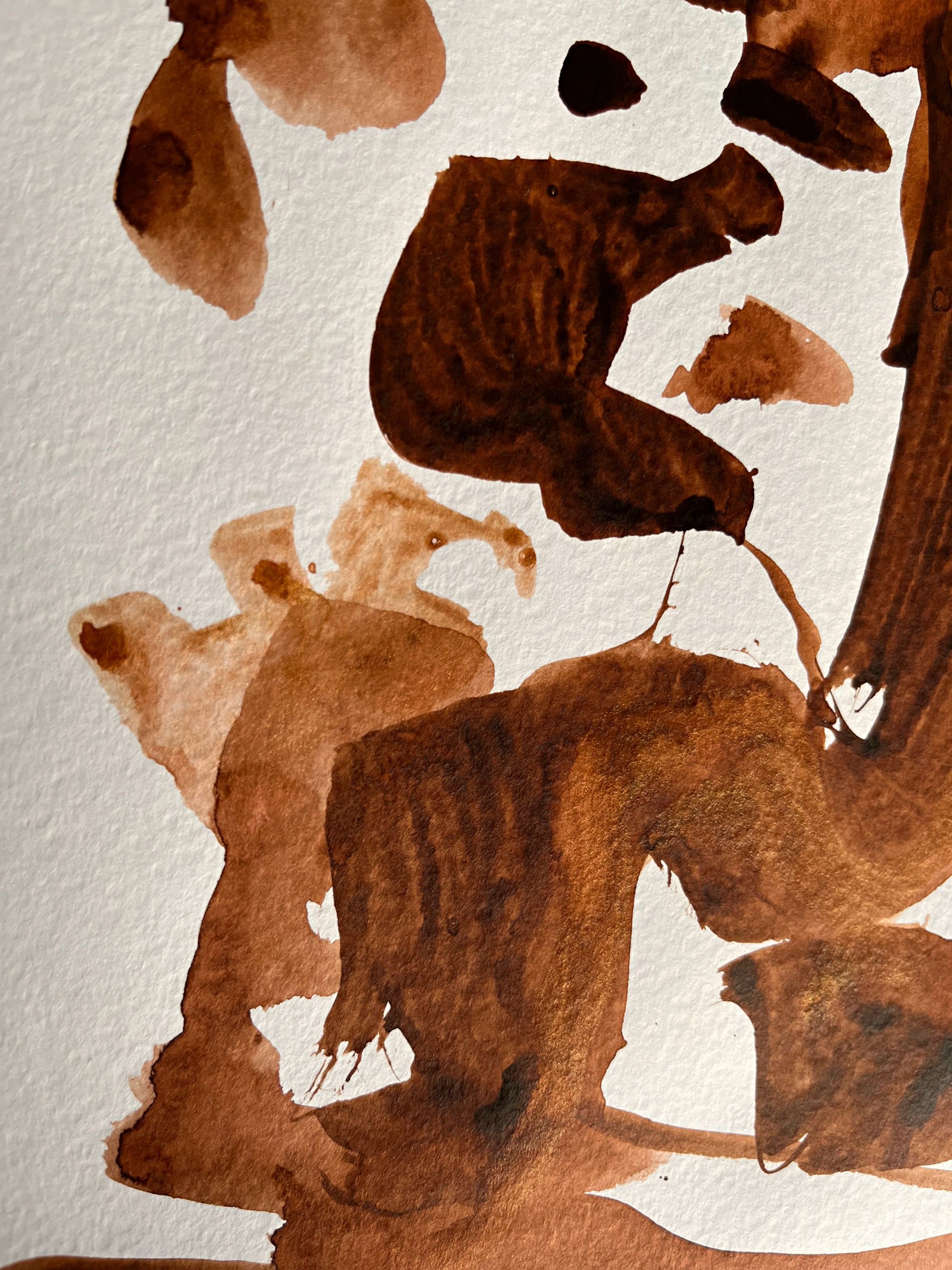
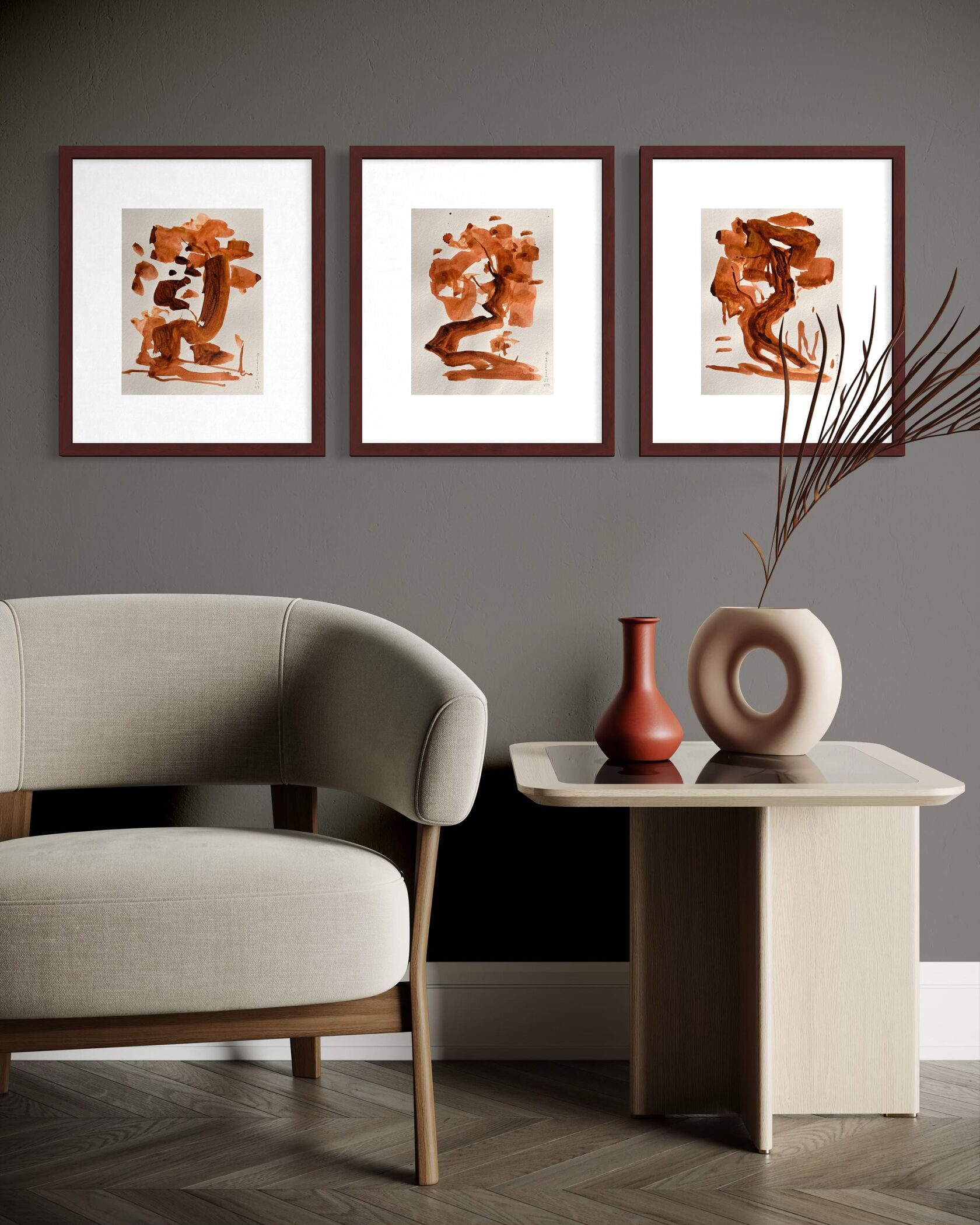
Forest signs Graphics 7/9
$
624
$
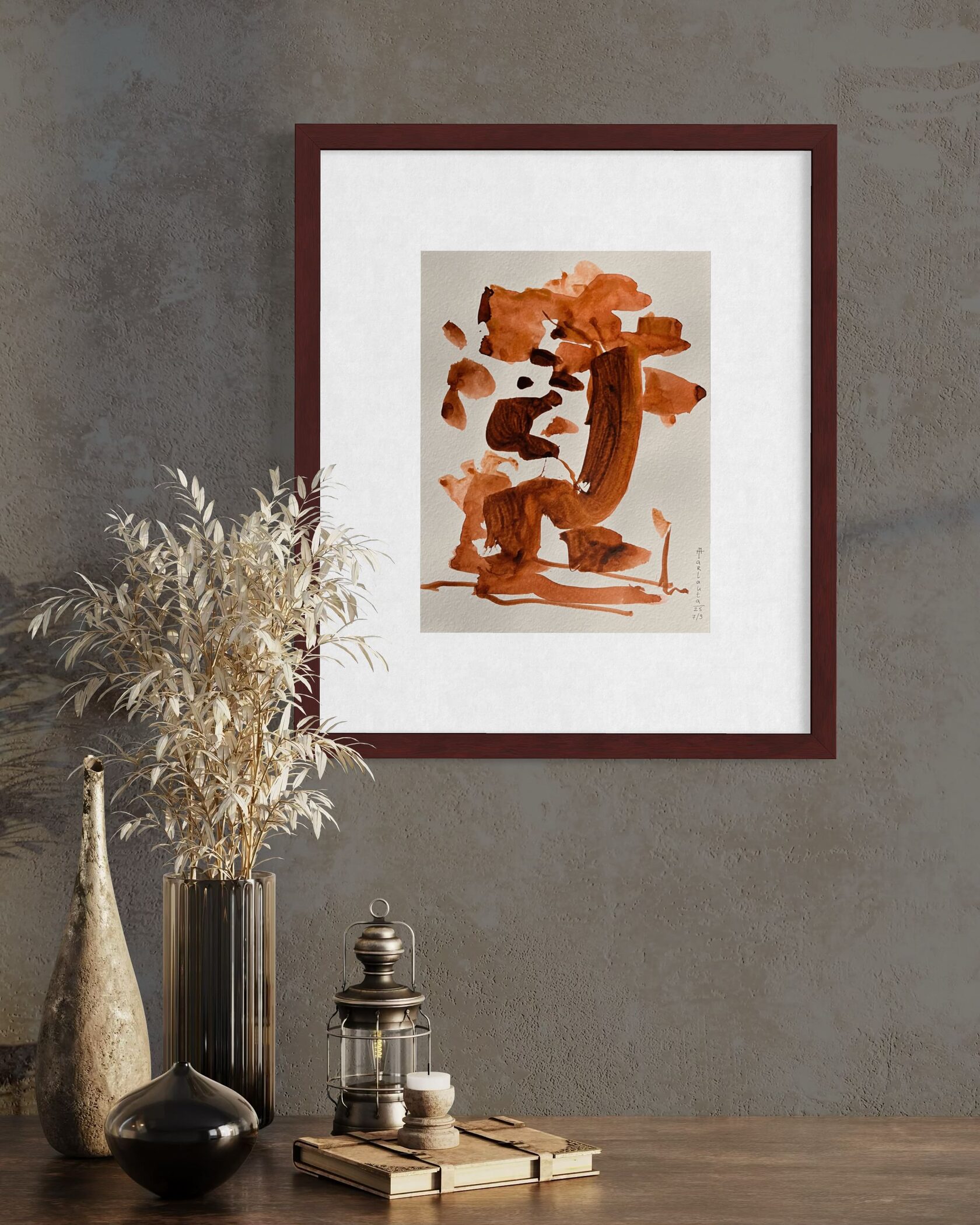
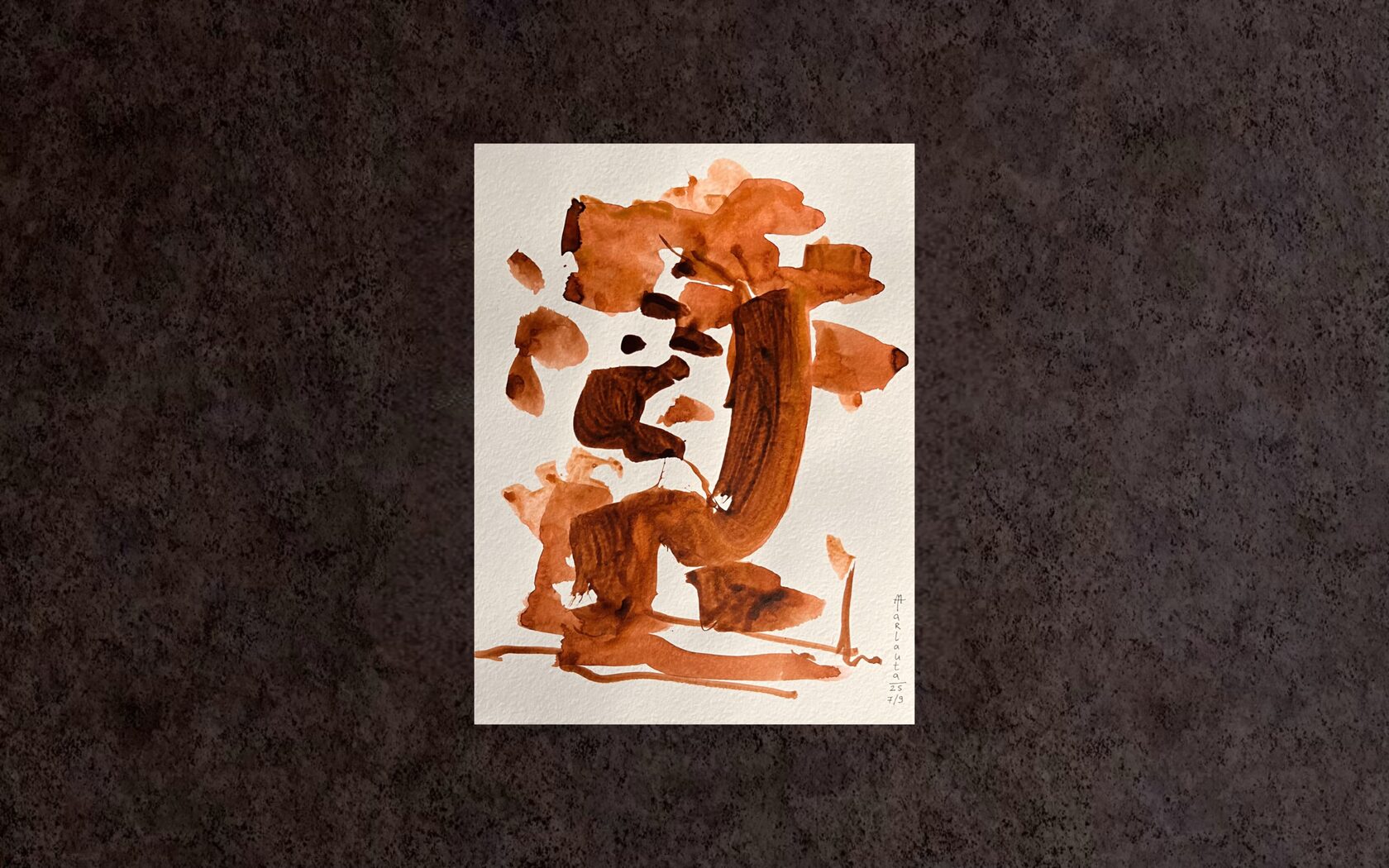
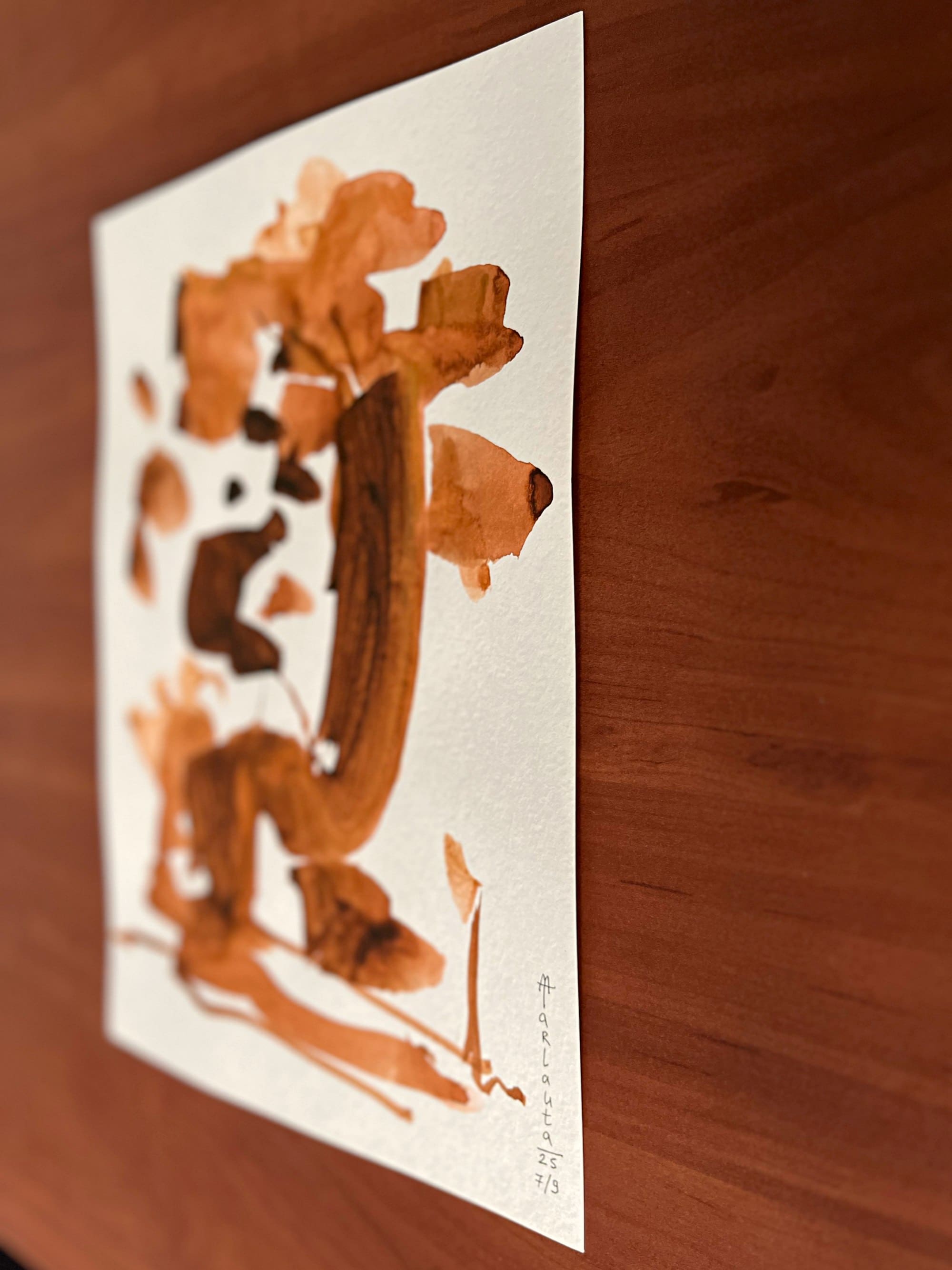
Forest Signs #7 — Original Sensory Alchemy Mixed Media Forest on Paper, 21×29.7 cm
What if a tree had a name — its own, not the one we gave it? This is a sign. A name. A first attempt to write in a language that has no alphabet — only ink, brush, and attention.
The Myth
What if trees have names? Their own names. The ones they would use to call each other.
I spent time in forests, not as a tourist. I sat. I watched. One tree, then another. The rhythm of its branches. The map of its bark. The way it holds itself against the wind. Then I tried to write down what I heard — Signs. Abstract symbols, each one unique, like a name in a language no one speaks anymore.
It's an attempt to restore a lost dialogue. Old shamans believed that to name something is to make contact. I think they were right. Each sheet is ink on paper. Simple. Almost scientific. But inside that simplicity — hours of looking, listening, breathing with a single tree.
This series is a vocabulary for the non-human world. Nine graphic portraits of real trees — their abstract names, drawn with ink and brush. For those who have ever stood in a forest and felt watched — by the trees themselves. For those who suspect that nature is far more alive than we admit. This is for you.
Details
Coloured acrylic ink on acid-free paper (200 g/m²)
21 × 29.7 × 0.2 cm / 8.3 × 11.4 × 0.08 in
© Daria Harlauta 2025 (signed & certified)
Price (with worldwide delivery included)
$624 / €549 | per piece
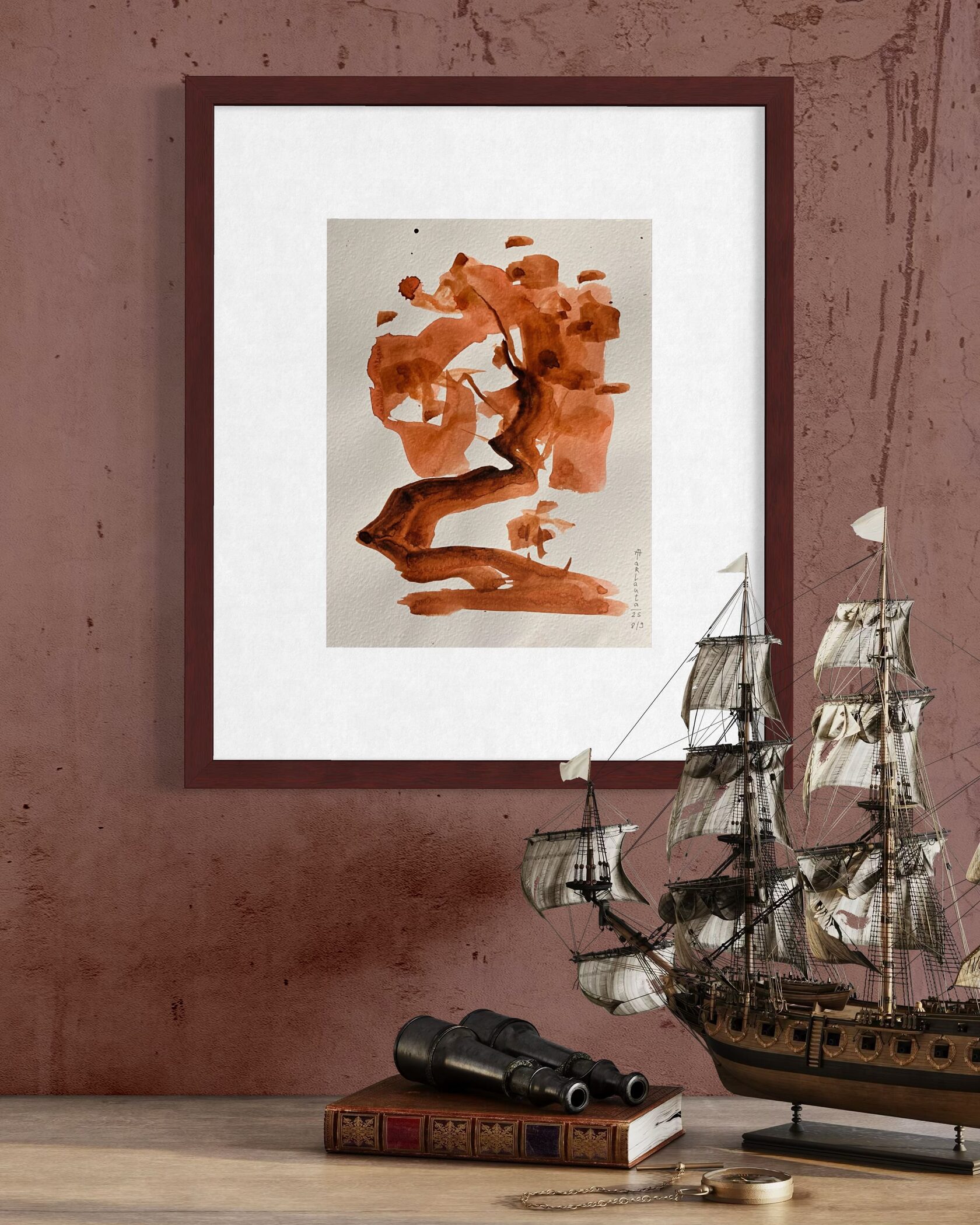
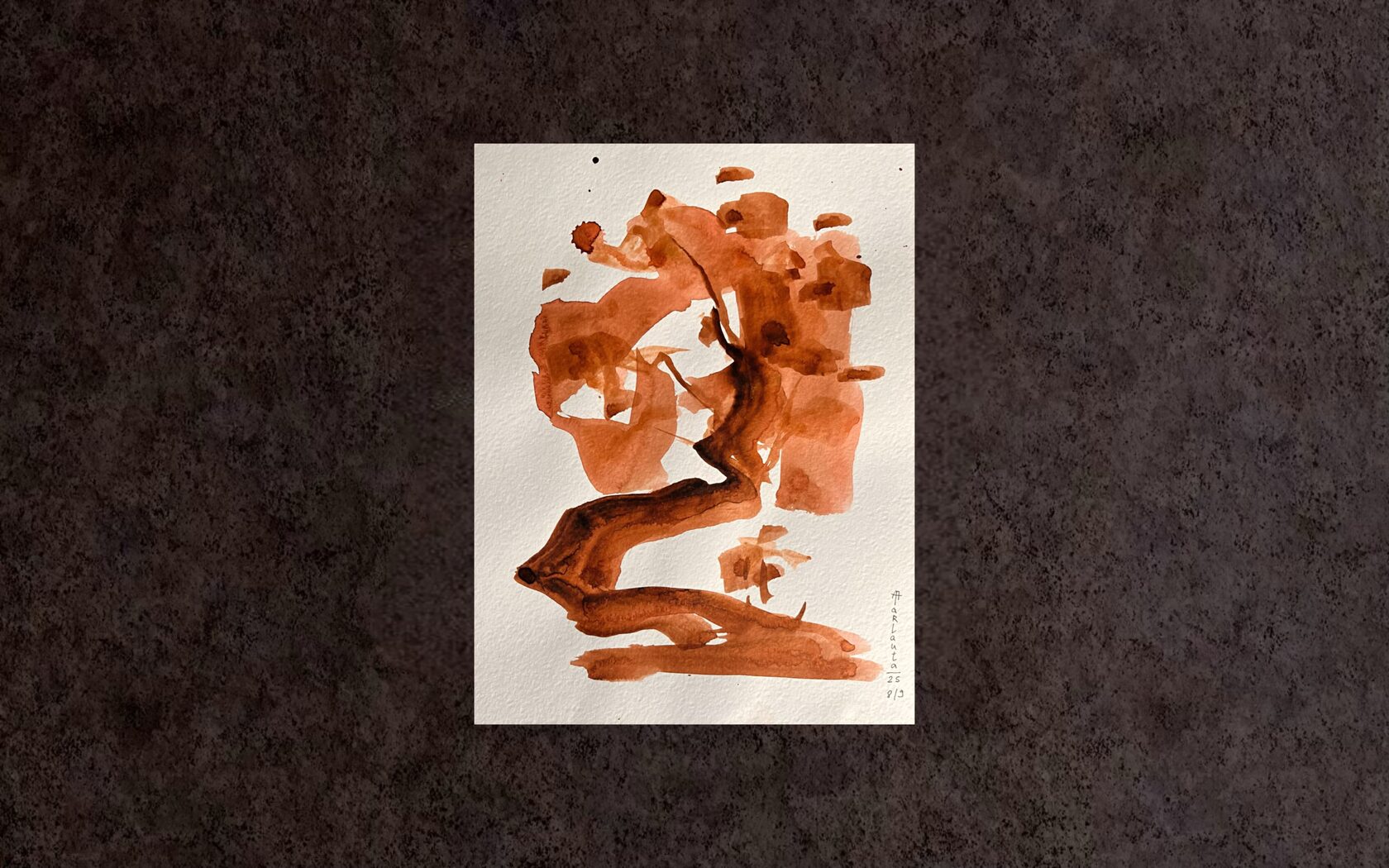
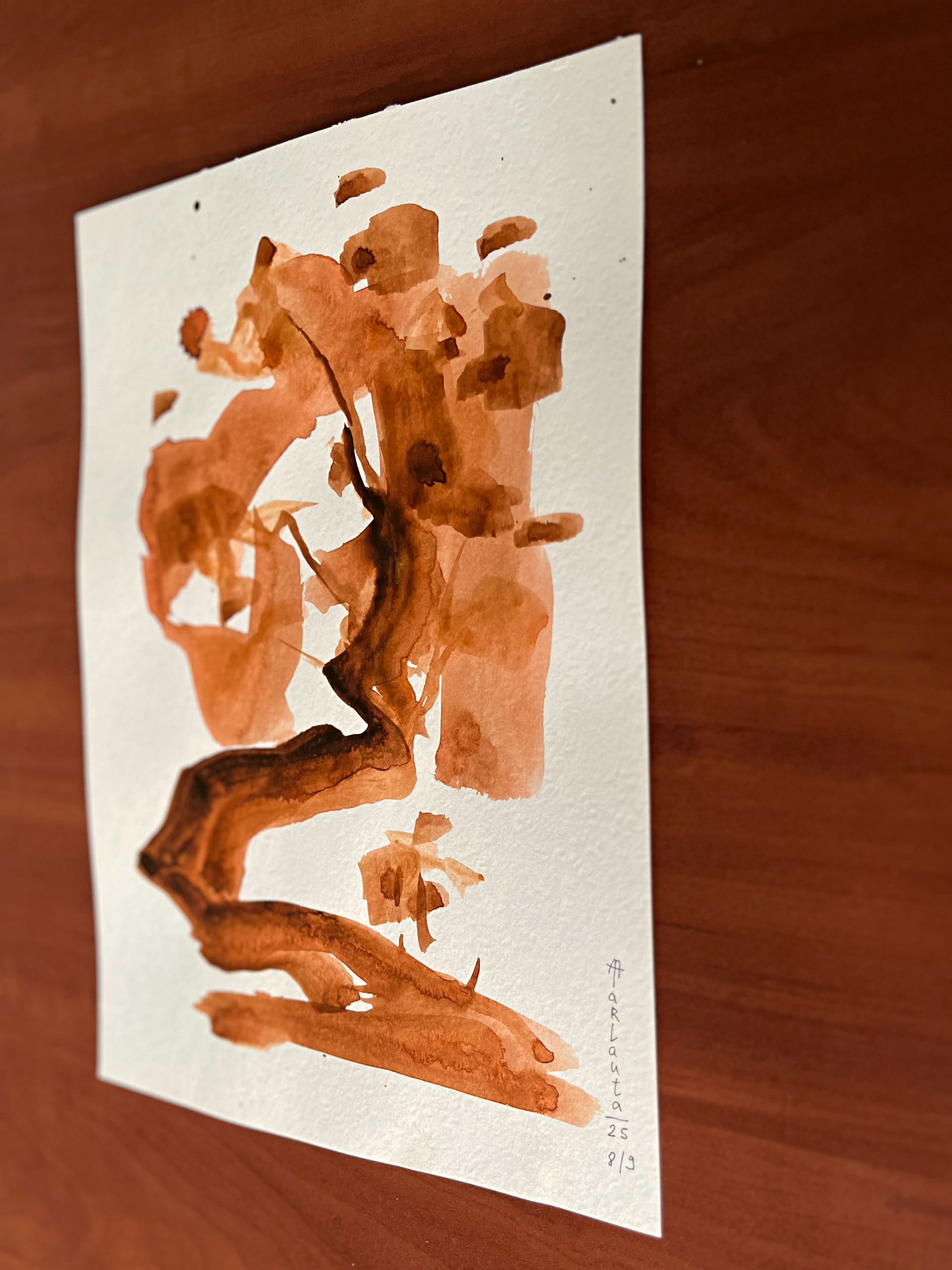
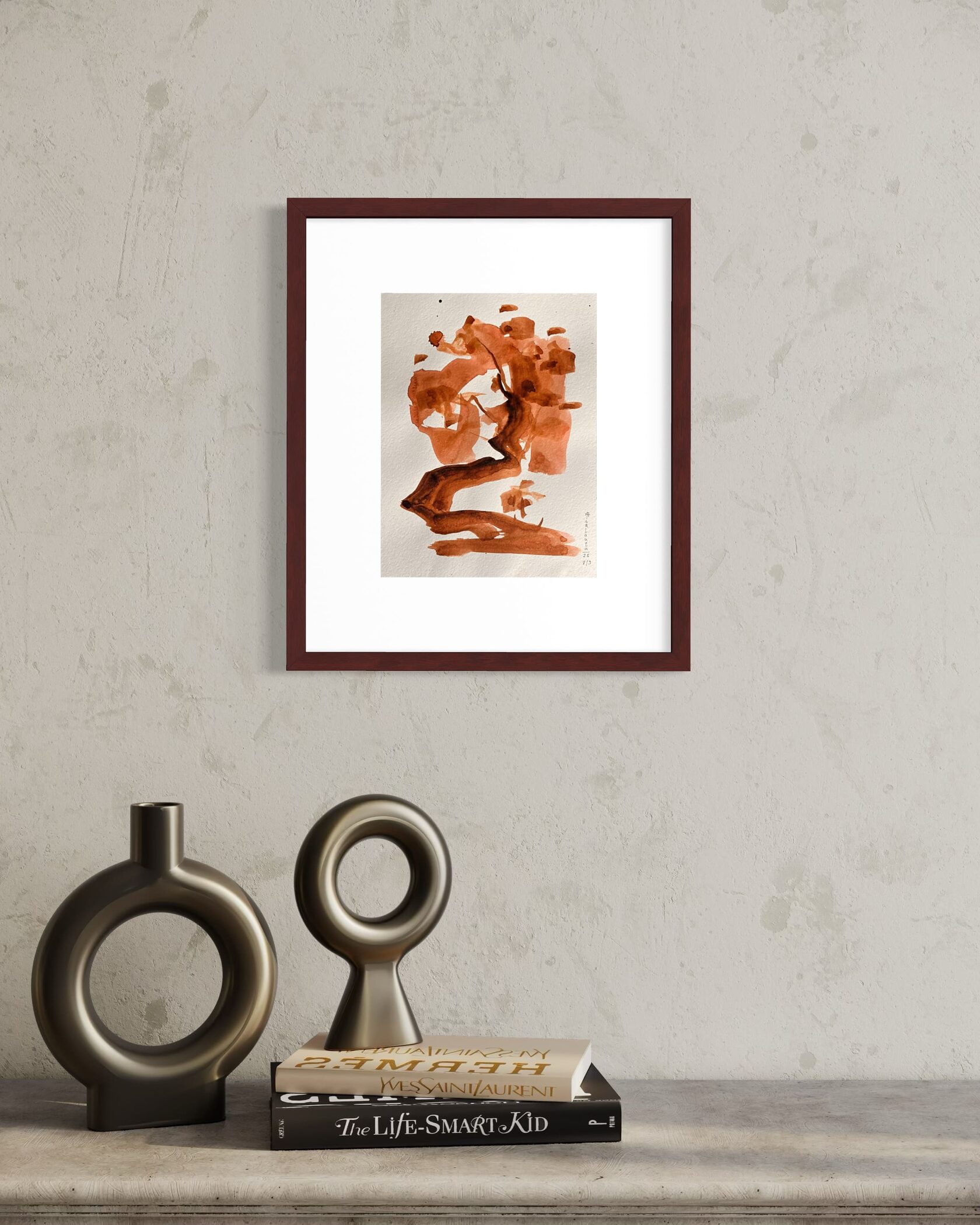
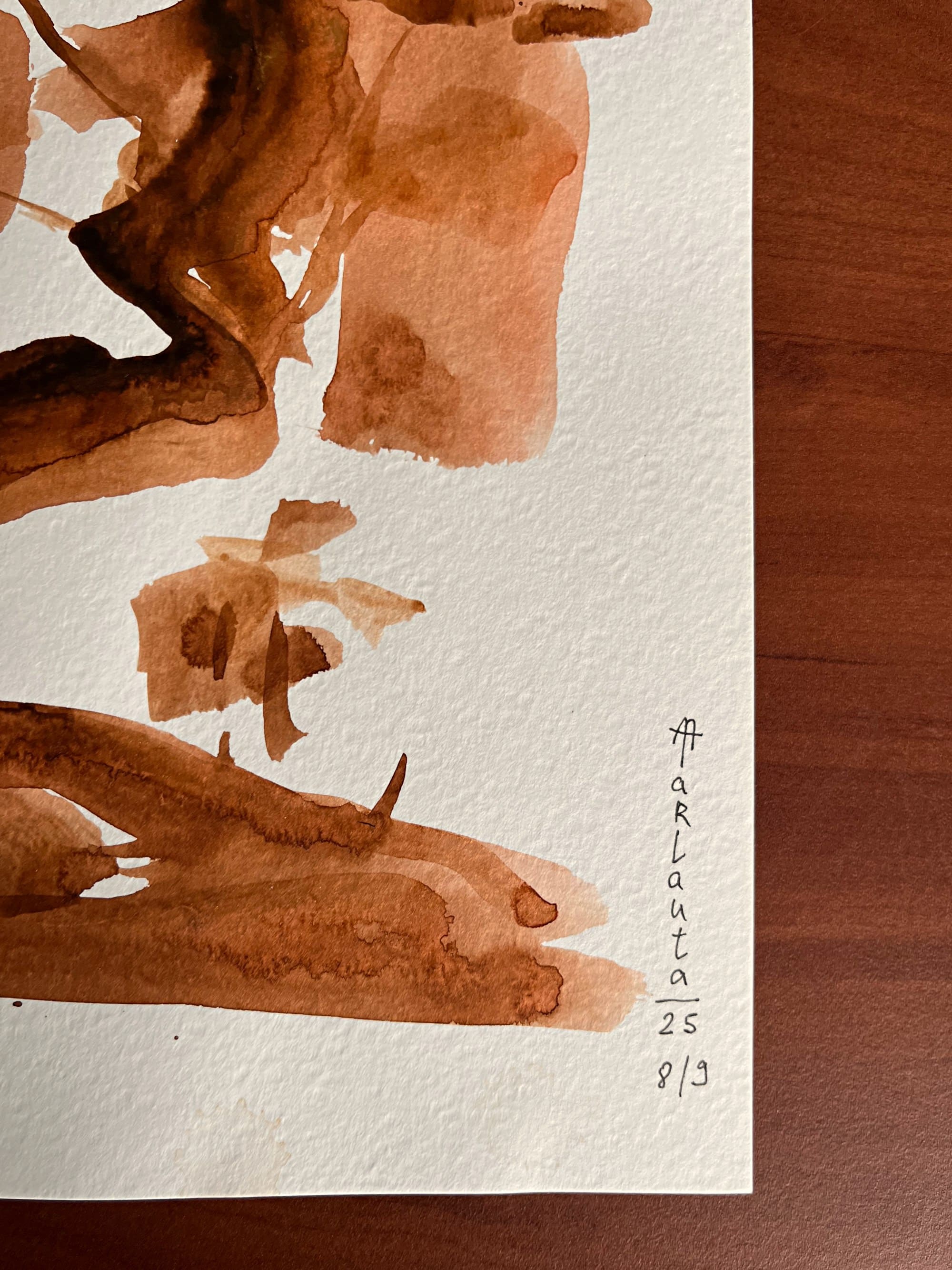
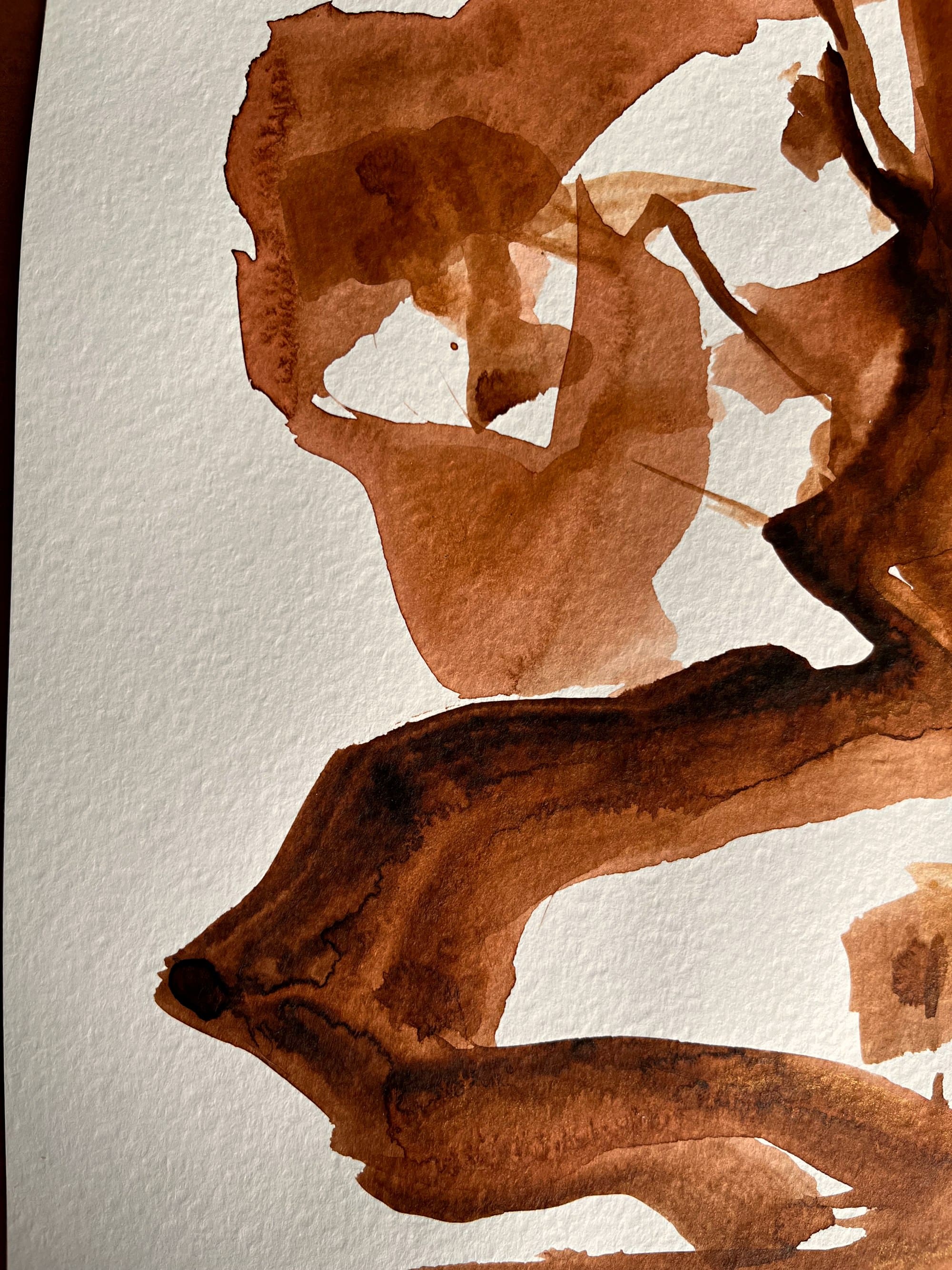
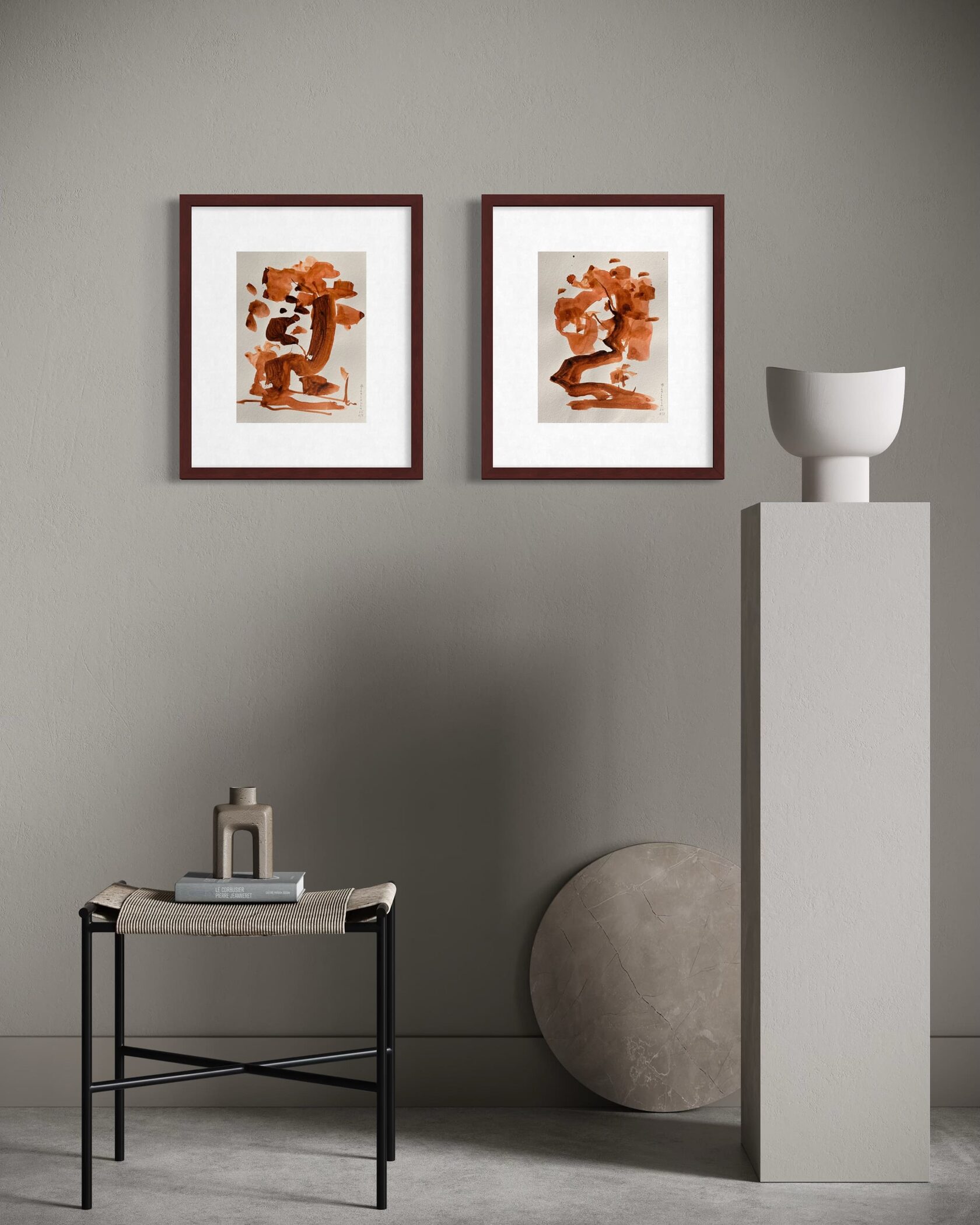
Forest signs Graphics 8/9
$
624
$
Forest Signs #8 — Original Sensory Alchemy Mixed Media Forest on Paper, 21×29.7 cm
What if a tree had a name — its own, not the one we gave it? This is a sign. A name. A first attempt to write in a language that has no alphabet — only ink, brush, and attention.
The Myth
What if trees have names? Their own names. The ones they would use to call each other.
I spent time in forests, not as a tourist. I sat. I watched. One tree, then another. The rhythm of its branches. The map of its bark. The way it holds itself against the wind. Then I tried to write down what I heard — Signs. Abstract symbols, each one unique, like a name in a language no one speaks anymore.
It's an attempt to restore a lost dialogue. Old shamans believed that to name something is to make contact. I think they were right. Each sheet is ink on paper. Simple. Almost scientific. But inside that simplicity — hours of looking, listening, breathing with a single tree.
This series is a vocabulary for the non-human world. Nine graphic portraits of real trees — their abstract names, drawn with ink and brush. For those who have ever stood in a forest and felt watched — by the trees themselves. For those who suspect that nature is far more alive than we admit. This is for you.
Details
Coloured acrylic ink on acid-free paper (200 g/m²)
21 × 29.7 × 0.2 cm / 8.3 × 11.4 × 0.08 in
© Daria Harlauta 2025 (signed & certified)
Price (with worldwide delivery included)
$624 / €549 | per piece
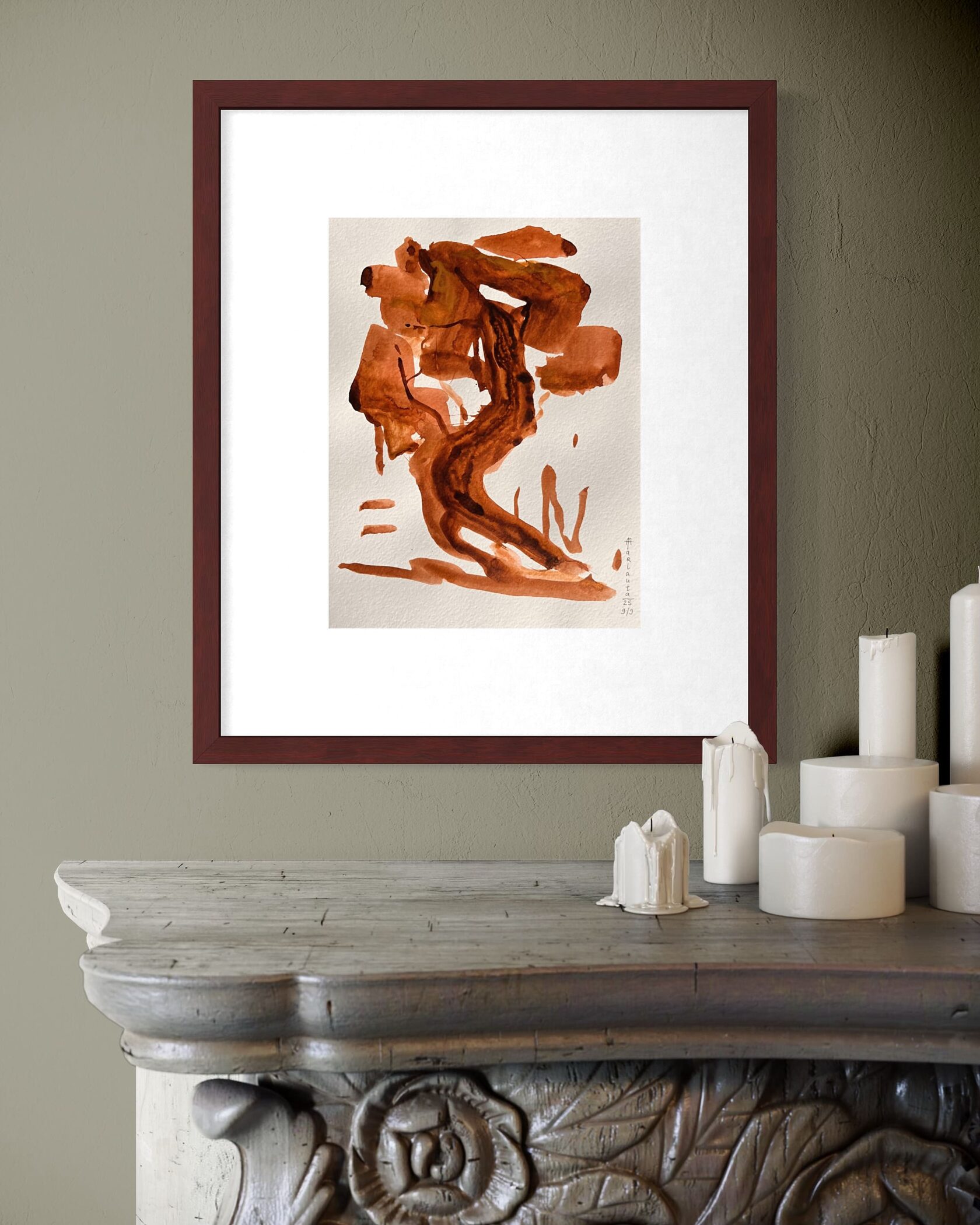
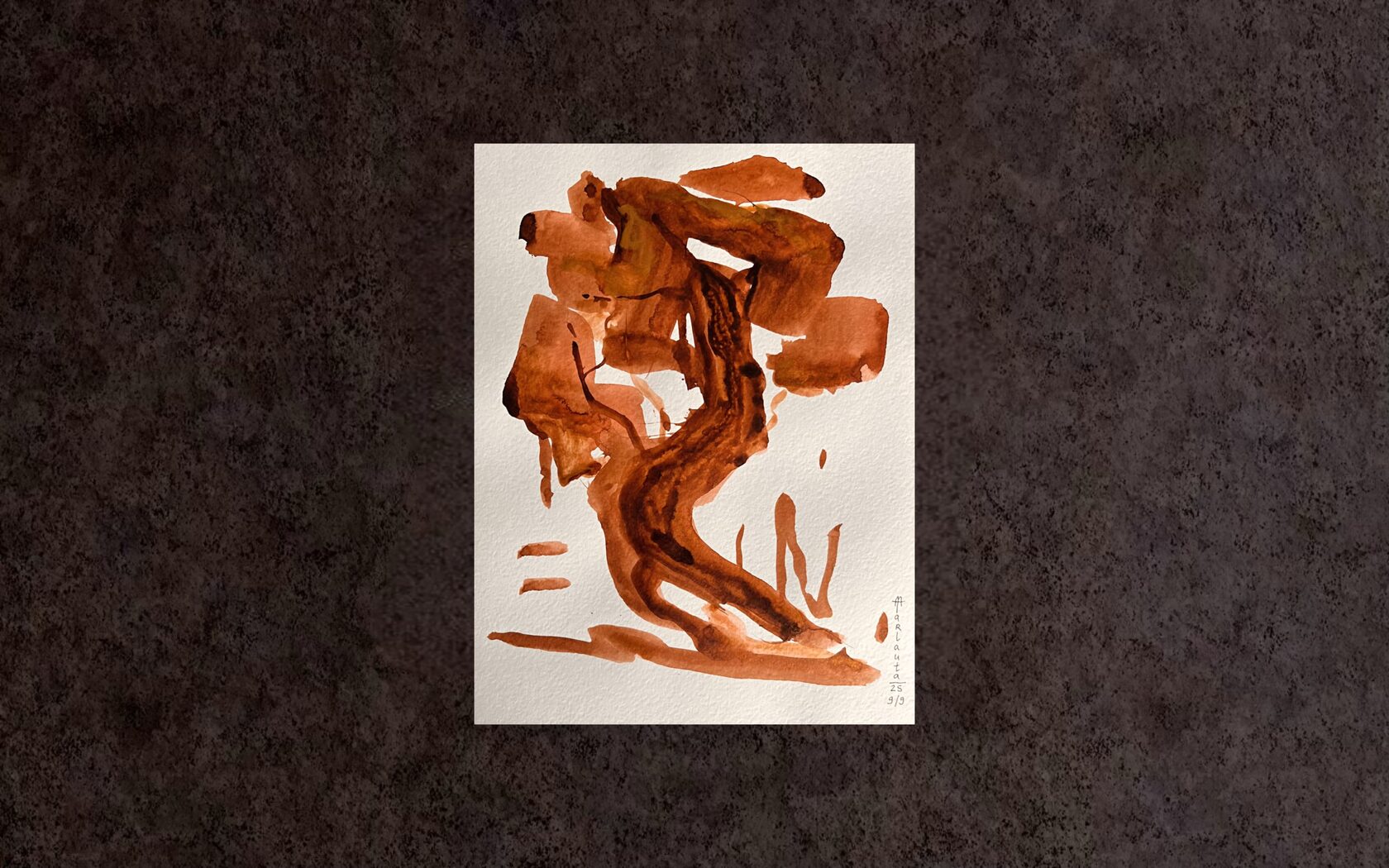
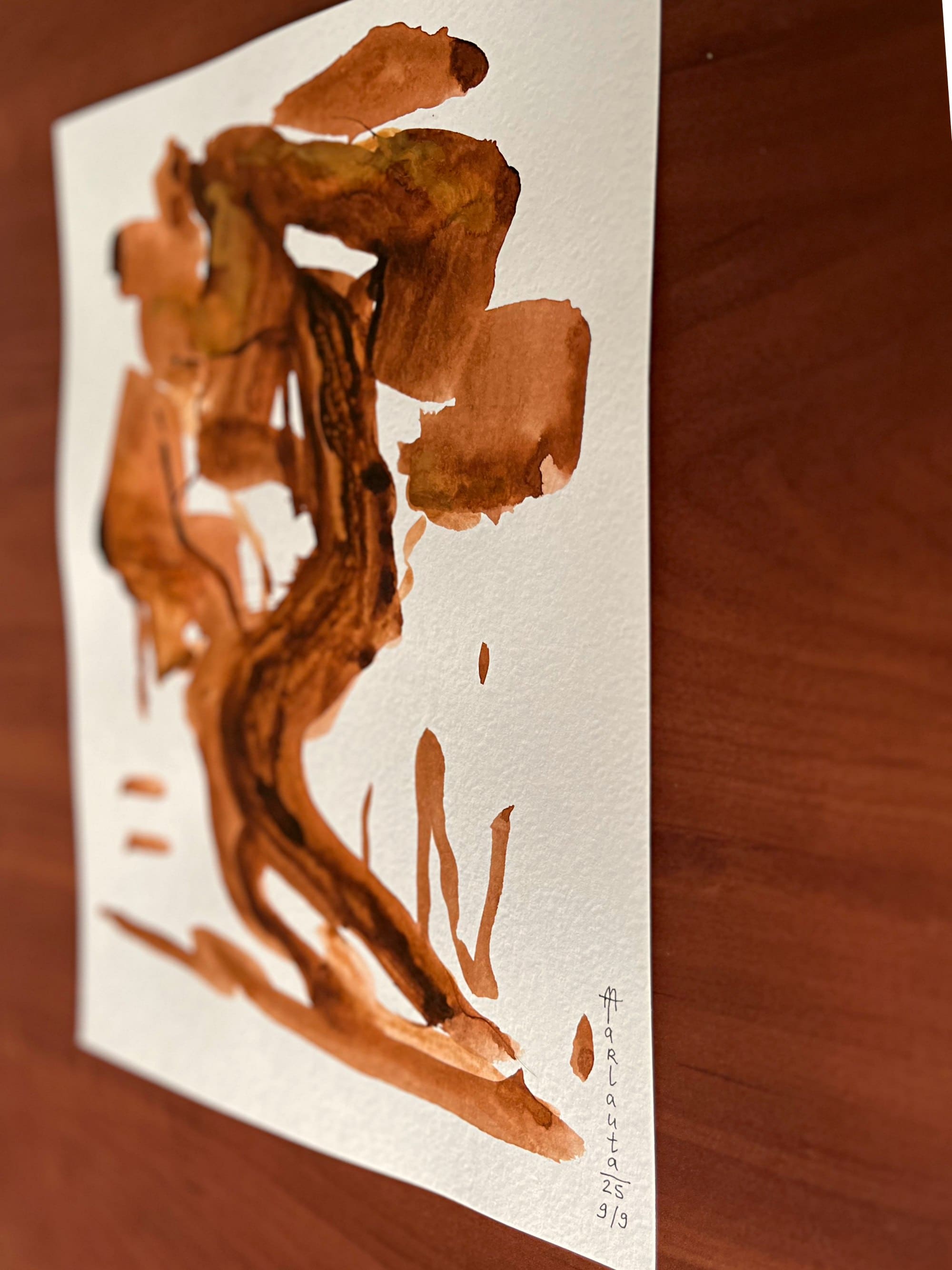
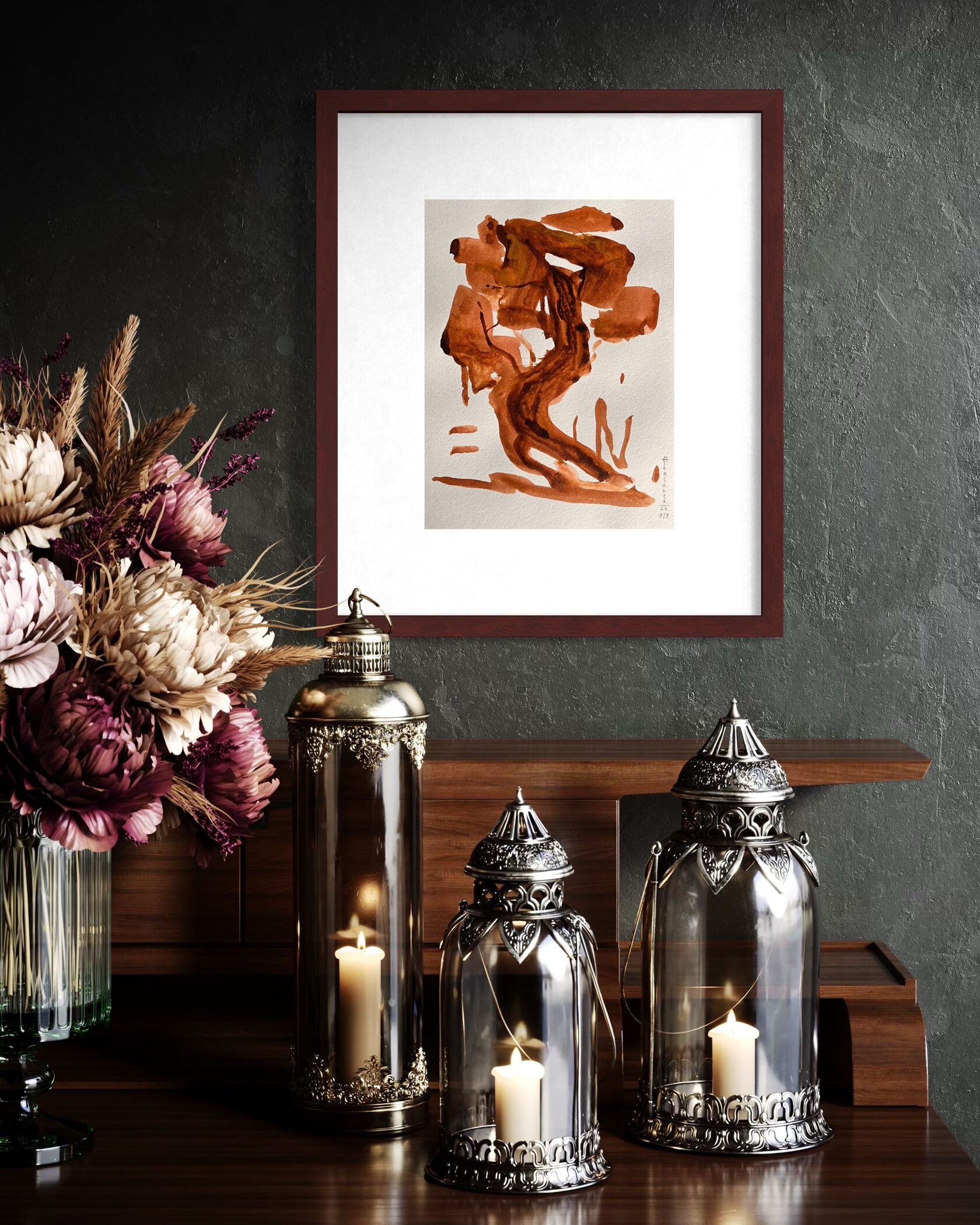
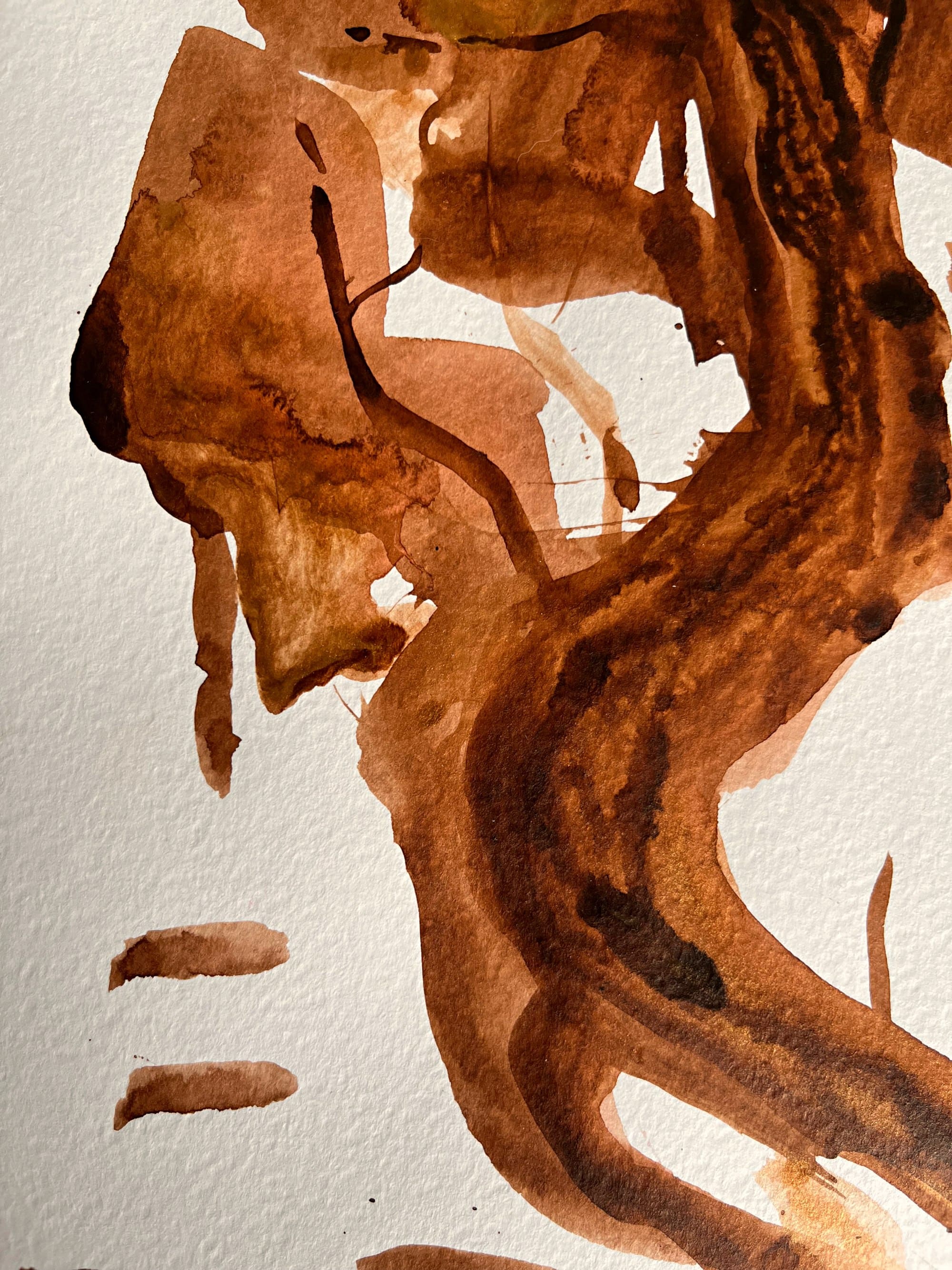
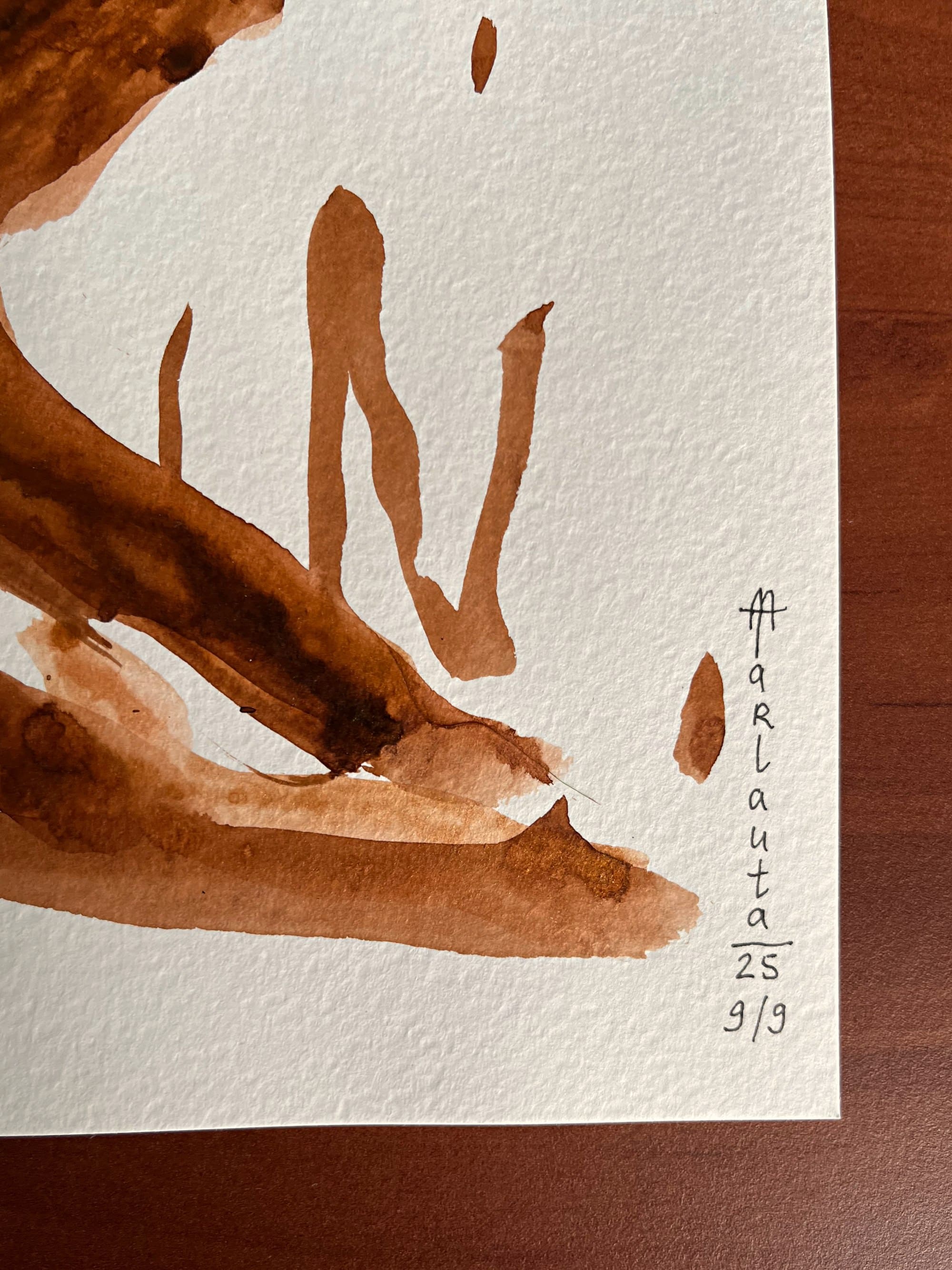
Forest signs Graphics 9/9
$
624
$
Forest Signs #9 — Original Sensory Alchemy Mixed Media Forest on Paper, 21×29.7 cm
What if a tree had a name — its own, not the one we gave it? This is a sign. A name. A first attempt to write in a language that has no alphabet — only ink, brush, and attention.
The Myth
What if trees have names? Their own names. The ones they would use to call each other.
I spent time in forests, not as a tourist. I sat. I watched. One tree, then another. The rhythm of its branches. The map of its bark. The way it holds itself against the wind. Then I tried to write down what I heard — Signs. Abstract symbols, each one unique, like a name in a language no one speaks anymore.
It's an attempt to restore a lost dialogue. Old shamans believed that to name something is to make contact. I think they were right. Each sheet is ink on paper. Simple. Almost scientific. But inside that simplicity — hours of looking, listening, breathing with a single tree.
This series is a vocabulary for the non-human world. Nine graphic portraits of real trees — their abstract names, drawn with ink and brush. For those who have ever stood in a forest and felt watched — by the trees themselves. For those who suspect that nature is far more alive than we admit. This is for you.
Details
Coloured acrylic ink on acid-free paper (200 g/m²)
21 × 29.7 × 0.2 cm / 8.3 × 11.4 × 0.08 in
© Daria Harlauta 2025 (signed & certified)
Price (with worldwide delivery included)
$624 / €549 | per piece
The Forest Signs Graphics
#1-#9 (SET)
#1-#9 (SET)
Get the whole polyptych (all 9 pieces)
$
5616
Nine graphic portraits of real trees — their abstract names, drawn with ink and brush. This series is a vocabulary for the non-human world. For those who suspect that nature is far more alive than we admit. This is for you.
Details
Coloured acrylic ink on acid-free paper (200 g/m²)
9 pieces, each: 21 × 29.7 × 0.2 cm / 8.3 × 11.4 × 0.08 in
© Daria Harlauta 2025 (signed & certified)
Details
Coloured acrylic ink on acid-free paper (200 g/m²)
9 pieces, each: 21 × 29.7 × 0.2 cm / 8.3 × 11.4 × 0.08 in
© Daria Harlauta 2025 (signed & certified)
The Facets of Myth:
Forest Signs (2025)
9 sheets, paper, coloured ink, brush
What if trees have names? Not the ones we gave them — oak, pine, birch. Their own names. The ones they would use to call each other.
I spent time in forests, not as a tourist. I sat. I watched. One tree, then another. The rhythm of its branches. The map of its bark. The way it holds itself against the wind.
Then I tried to write down what I heard. Not portraits or illustrations, but Signs. Abstract symbols, each one unique — like a name in a language no one speaks anymore.
It's an attempt to restore a lost dialogue. Old shamans believed that to name something is to make contact. I think they were right.
Each sheet is ink on paper. Simple. Almost scientific. But inside that simplicity — hours of looking, listening, breathing with a single tree.
Not postcards from nature. A vocabulary for the non-human world.
If you're interested in this piece
leave your email, and I'll reply personally.